ภาพการทัศนศึกษา Tottori Manga Kingdom Conan Station Hokuei Town
ภาพการทัศนศึกษา Tottori Manga Kingdom Conan Station Hokuei Town
ภาพการทัศนศึกษา Tottori Manga Kingdom Conan Station Hokuei Town
ภาพการทัศนศึกษา Tottori Manga Kingdom Conan Station Hokuei Town
ภาพการทัศนศึกษา Tottori Manga Kingdom Conan Station Hokuei Town
ภาพการทัศนศึกษา Tottori Manga Kingdom Conan Station Hokuei Town
ภาพการทัศนศึกษา Tottori Manga Kingdom Conan Station Hokuei Town
ภาพการทัศนศึกษา Tottori Manga Kingdom Conan Station Hokuei Town
ภาพการทัศนศึกษา Tottori Manga Kingdom Conan Station Hokuei Town
ภาพการทัศนศึกษา Tottori Manga Kingdom Conan Station Hokuei Town
ภาพการทัศนศึกษา Tottori Manga Kingdom Conan Station Hokuei Town
ภาพการทัศนศึกษา Tottori Manga Kingdom Conan Station Hokuei Town
ภาพการทัศนศึกษา Tottori Manga Kingdom Conan Station Hokuei Town
ภาพการทัศนศึกษา Tottori Manga Kingdom Conan Station Hokuei Town
ภาพการทัศนศึกษา Tottori Manga Kingdom Conan Station Hokuei Town
ภาพการทัศนศึกษา Tottori Manga Kingdom Conan Station Hokuei Town
ภาพการทัศนศึกษา Tottori Manga Kingdom Conan Station Hokuei Town
ภาพการทัศนศึกษา Tottori Manga Kingdom Conan Station Hokuei Town
ภาพการทัศนศึกษา Tottori Manga Kingdom Conan Station Hokuei Town
ภาพการทัศนศึกษา Tottori Manga Kingdom Conan Station Hokuei Town
ภาพการทัศนศึกษา Tottori Manga Kingdom Conan Station Hokuei Town
ภาพการทัศนศึกษา Tottori Manga Kingdom Conan Station Hokuei Town
ภาพการทัศนศึกษา Tottori Manga Kingdom Conan Station Hokuei Town
ภาพการทัศนศึกษา Tottori Manga Kingdom Conan Station Hokuei Town
ภาพการทัศนศึกษา Tottori Manga Kingdom Conan Station Hokuei Town
ภาพการทัศนศึกษา Tottori Manga Kingdom Conan Station Hokuei Town
ภาพการทัศนศึกษา Tottori Manga Kingdom Conan Station Hokuei Town
ภาพการทัศนศึกษา Tottori Manga Kingdom Conan Station Hokuei Town
ภาพการทัศนศึกษา Tottori Manga Kingdom Conan Station Hokuei Town
ภาพการทัศนศึกษา Tottori Manga Kingdom Conan Station Hokuei Town
ภาพการทัศนศึกษา Tottori Manga Kingdom Conan Station Hokuei Town
ภาพการทัศนศึกษา Tottori Manga Kingdom Conan Station Hokuei Town
ภาพการทัศนศึกษา Tottori Manga Kingdom Conan Station Hokuei Town
ภาพการทัศนศึกษา Tottori Manga Kingdom Conan Station Hokuei Town
ภาพการทัศนศึกษา Tottori Manga Kingdom Conan Station Hokuei Town
ภาพการทัศนศึกษา Tottori Manga Kingdom Conan Station Hokuei Town
ภาพการทัศนศึกษา Tottori Manga Kingdom Conan Station Hokuei Town
ภาพการทัศนศึกษา Tottori Manga Kingdom Conan Station Hokuei Town
ภาพการทัศนศึกษา Tottori Manga Kingdom Conan Station Hokuei Town
ภาพการทัศนศึกษา Tottori Manga Kingdom Conan Station Hokuei Town
ภาพการทัศนศึกษา Tottori Manga Kingdom Conan Station Hokuei Town
ภาพการทัศนศึกษา Tottori Manga Kingdom Conan Station Hokuei Town


©GOSHO AOYAMA/SHOGAKUKAN
Gosho Aoyama Manga Factory – Accessibility Guide (Wheelchair Access & More) https://share.google/uDmOcYx24KtMW0j0j
©2017 青山剛昌/名探偵コナン製作委員会
โบรชัวร์ (Brochure) เป็นเครื่องมือทางการตลาดที่มีประสิทธิภาพซึ่งช่วยให้ลูกค้าสัมผัสกับผลิตภัณฑ์ได้ โบรชัวร์ที่ทำจากกระดาษมันวาว พิมพ์สี่สี ภาพประกอบที่สวยงาม และการเขียนที่โน้มน้าวจิตใจได้ดี สิ่งเหล่านี้จะช่วยให้ผลิตภัณฑ์ของคุณขายได้ดียิ่งขึ้น โบรชัวร์สามารถทำได้หลายหน้าที่ด้วยกัน คือ ช่วยแนะนำบริษัทให้กับลูกค้าในอนาคต ช่วยอธิบายรายละเอียดของสินค้า หรือมอบตัวอย่างสินค้าเพื่อดึงดูดใจลูกค้า คุณสามารถเพิ่มยอดขายและจำนวนลูกค้าได้ด้วยการเขียนโบรชัวร์ที่มีเนื้อหาสั้นกระชับ ดึงดูดใจทั้งตัวอักษรและรูปภาพ
A legal brochure is a useful part of any lawyer’s marketing campaign. In the brochure, you’ll want to shine a spotlight on your firm’s experience and volunteer activities. However, the brochure should be general enough that you won’t need to change it often. For help creating the brochure, find a designer and printer. Remember that your state’s ethics rules limit the kinds of information you can include in a brochure.
Brochure
A brochure is a promotional document primarily used to introduce a company, organization, products, or services and inform prospective customers or members of the public of the benefits. Although, initially, a paper document that can be folded into a template, pamphlet, or leaflet, a brochure can also be a set of related unfolded papers put into a pocket folder or packet or can be in digital format.
A brochure is a corporate marketing instrument to promote a product or service. It is a tool used to circulate information about the product or service. A brochure is like a magazine but with pictures of the product or the service which the brand is promoting. Depending on various aspects there are different types of brochures: Gate Fold Brochures, Trifold Brochures, and Z-Fold Brochures.
Brochures are distributed in many ways: as newspaper inserts, handed out personally, by mail, or placed in brochure racks in high-traffic locations, especially in tourist precincts. They may be considered grey literature.[1] A brochure is usually folded and only includes promotional summary information.
Description
A brochure is usually folded and only includes promotional summary information. A booklet is typically several sheets of paper with a card stock cover and bound with staples, string, or plastic binding. In contrast, a single piece of unfolded paper is usually called an insert, flyer, or bulletin.[2]
Varieties
Brochures available in electronic format are called e-brochures. This format has the added benefit of unlimited distribution and cost savings compared to traditional paper brochures.[3]
The most common types of single-sheet brochures are the bi-fold (a single sheet printed on both sides and folded into halves) and the tri-fold (the same, but folded into thirds). A bi-fold brochure results in four panels (two panels on each side), while a tri-fold results in six panels (three panels on each side).[4]
Other brochure fold arrangements are possible: the accordion or "z-fold" method, the "c-fold" method, etc. Larger sheets, such as those with detailed maps or expansive photo spreads, are folded into four, five, or six panels.
Booklet brochures are made of multiple sheets, most often saddle-stitched, stapled on the creased edge, or perfect bound like a paperback book, and result in eight or more panels.
Printing
Brochures are often printed using four-color process on thick, glossy paper to give an impression of quality. Businesses may print small quantities of brochures on a computer printer, or a digital printer, but offset printing turns out higher quantities at a lower cost per item.
Compared with a flyer, a brochure usually uses higher-quality paper, more color, and is folded.
Marketing brochure
The term "marketing brochure" refers to a small document, or pamphlet, which describes and promotes various products or services to be marketed. Some companies have developed computer printing software to generate marketing brochures,[5][6][7] which might be available for use at a public library. However, it is common for a company to have a marketing brochure prepared by a professional printing company (or department) that has experience in creating such documents. As compared to a flyer or a handbill, a printed brochure usually has higher-quality paper and more color and is folded or stapled at the seam.
Because the goal of a marketing brochure is typically to assist in the sales or distribution of products and services, the wording in the brochure is often very positive, with "glowing terms" to describe the features and benefits being offered. It is unlikely for a marketing brochure to list major complaints customers have stated about the products to avoid any negative aspects of those products or services. Instead, the focus is typically on persuasion to encourage people to obtain the items described in the brochure.
The term "marketing brochure" dates back many decades, such as for advertising new automobile features of the 1955 Ford Thunderbird.[8]
Brochure - Wikipedia https://share.google/dXnfWe3nMdNyBCMa0
wikiHow
วิธีการ เขียนโบรชัวร์ (ฺBrochure): 12 ขั้นตอน (พร้อมรูปภาพ) https://share.google/ZbVLcifLBI6sUNlCY
แหล่งท่องเที่ยวทางศิลปะวิทยาการ (Arts and Sciences Educational Attraction) หมายถึง แหล่งท่องเที่ยว หรือกิจกรรมที่มุ่งเน้นการเพิ่มพูนความรู้ และสามารถตอบสนองความสนใจพิเศษของนักท่องเที่ยว ซึ่งมีรูปแบบการท่องเที่ยวที่ชัดเจน สามารถเพิ่มเติมได้ตามความนิยมของคนในแต่ละยุคสมัย สามารถให้ความรู้และดึงดูดนักท่องเที่ยวได้
.
🔸มาตรฐานคุณภาพแหล่งท่องเที่ยวทางศิลปะวิทยาการ ประกาศใช้เมื่อวันที่ 9 เมษายน 2550 ประกอบด้วย 3 องค์ประกอบ ซึ่งเป็น ศักยภาพการดึงดูดใจนักท่องเที่ยว ศักยภาพการรองรับนักท่องเที่ยว และศักยภาพการบริหารจัดการการท่องเที่ยว
.
แหล่งท่องเที่ยวที่มีความสนใจเข้ารับการตรวจประเมินฯ สามารถดาวน์โหลดแบบประเมินตนเอง โดยสแกน QR Code หรือ 👆
https://tinyurl.com/y5g6zqtw และส่งมายัง 📧 tourism.tns@gmail.com
.
#กรมการท่องเที่ยว #มาตรฐานการท่องเที่ยวไทย #ThailandTourismStandard #แหล่งท่องเที่ยวทางศิลปะวิทยาการ #ArtsandSciencesEducationalAttraction
https://drive.google.com/file/d/1S5k226ceOpXE3rY_TyGTWMI_3ez1CYZB/view?fbclid=IwdGRjcAOOHXJjbGNrA44dZ2V4dG4DYWVtAjExAHNydGMGYXBwX2lkDDM1MDY4NTUzMTcyOAABHlCKF9-dT2Ajw8bC5Rx9Sq1ZK3sX_plMnzF0sro-06xApWleWnQld5teMP-W_aem_aWPdiZaH4MU7uMZrZk7Uwg
แนวคิดด้านการท่องเที่ยวเชิงสร้างสรรค์
Date: 2020
Category: บทความ, เศรษฐกิจสร้างสรรค์
Creative Tourism หรือ การท่องเที่ยวเชิงสร้างสรรค์เกิดขึ้นในช่วงปี พ.ศ. 2542-2543 เป็นคำที่ถูกคิดขึ้นโดยโดย คริสปิน เรย์มอนด์ (Crispin Raymond) และ เกร็ก ริชาร์ด (Greg Richards) ที่พยายามหาคำนิยามความหมายของรูปแบบการท่องเที่ยวที่นักท่องเที่ยวได้เข้าไปมีประสบการณ์ และมีส่วนร่วมกับการเรียนรู้ศิลปะและวัฒนธรรมของท้องถิ่นนั้น ๆ โดยเป็นประสบการณ์ที่สามารถนำมาปรับใช้ในการดำเนินชีวิตและการทำงานหลังการท่องเที่ยวได้อีกด้วย ซึ่งได้นิยามความหมายของ Creative Tourism ไว้ว่า “การท่องเที่ยวซึ่งมอบโอกาสให้กับผู้เดินทางในการพัฒนาศักยภาพ การสร้างสรรค์ของตน ผ่านการมีส่วนร่วมในกิจกรรมการเรียนรู้ด้วยประสบการณ์จริง ที่เป็นไปตามลักษณะเฉพาะของพื้นที่เป้าหมายที่ได้ท่องเที่ยว” (Richards and Raymond, 2000)
แนวคิด Creative Tourism ถูกหยิบยกขึ้นมาเผยแพร่อีกครั้งโดยองค์การการศึกษาวิทยาศาสตร์และวัฒนธรรมแห่งสหประชาชาติ (UNESCO) ซึ่งได้เสนอแนวความคิดเกี่ยวกับเรื่อง Creative City (เมืองสร้างสรรค์) ที่เป็นการท่องเที่ยวรูปแบบใหม่ โดยในปีพ.ศ. 2547 UNESCO ได้ดำเนินการสนับสนุนนโยบายส่งเสริมความหลากหลายทางวัฒนธรรมของโลก จึงเสนอโครงการ “เครือข่ายเมืองสร้างสรรค์”(The Creative Cities Network) เพื่อส่งเสริมการพัฒนาด้านอุตสาหกรรมสร้างสรรค์ (Creative Industries) ที่จะนำไปสู่รูปแบบใหม่ ของความร่วมมือในระดับนานาชาติ ในภาคประชาชนเอกชน สาธารณะและประชาคม โดยในการท่องเที่ยวรูปแบบใหม่นี้จะเป็นการท่องเที่ยวที่นักท่องเที่ยวสามารถเข้าไปมีส่วนร่วมกับวิถีวัฒนธรรมและวัฒนธรรมของท้องถิ่นนั้น ๆ ทั้งที่จับต้องได้และจับต้องไม่ได้ ต่อมาในปีพ.ศ. 2551 การท่องเที่ยวเชิงสร้างสรรค์ถูกให้นิยายความหมายใหม่ในการประชุมนานาชาติครั้งแรก ณ เมืองซานตาเฟ ประเทศสหรัฐอเมริกา โดยมีนิยามใหม่ดังนี้ “การท่องเที่ยวที่มุ่งไปสู่ความผูกพันและประสบการณ์อันแท้จริง ซึ่งได้มาจากการเข้าไปมีส่วนร่วมในการเรียนรู้ด้านศิลปะ มรดกทางวัฒนธรรมหรือคุณลักษณะเฉพาะของพื้นที่” (Wurzburger, 2009) ซึ่งมีความแตกต่างจากนิยามแรกตรงที่ให้ความสำคัญ และเน้นย้ำความผูกพันของนักท่องเที่ยวและเจ้าของบ้าน (Host and Guests) ผ่านประสบการณ์ที่แท้จริง ด้วยการเข้าไปมีส่วนร่วมในการเรียนรู้ศิลปะ และมรดกวัฒนธรรม ซึ่งจะนำไปสู่การแลกเปลี่ยนวัฒนธรรมและความรู้ได้อย่างแท้จริง ส่วนนิยามแรกจะให้ความสำคัญกับการพัฒนาศักยภาพและการสร้างสรรค์ของนักท่องเที่ยวโดยผ่านการมีส่วนร่วมกับกิจกรรมเฉพาะของพื้นที่ ซึ่งจะส่งผลให้นักท่องเที่ยวมีความจดจำ ประทับใจและในท้ายที่สุดจะมีความเข้าใจอย่างลึกซึ้งในพื้นที่ที่ได้ท่องเที่ยว (สุดแดน และคณะ, 2555)
นักท่องเที่ยวสร้างสรรค์ (Creative tourist) เป็นผู้ที่มีบาทบาทสำคัญในการท่องเที่ยวเชิงสร้างสรรค์เพราะเป็นผู้ที่ได้รับประสบการณ์ตรงจากการท่องเที่ยว และมีพฤติกรรมการบริโภคในลักษณะต่าง ๆ หากแต่ที่ผ่านยังไม่มีผลงานวิจัยที่ระบุลักษณะพฤติกรรมของนักท่องเที่ยวกลุ่มนี้ได้อย่างชัดเจน มีเพียงการตั้งสมมติฐานจากการวิเคราะห์หานิยาม ความหมาย และการทบทวนวรรณกรรมต่าง ๆ ที่เกี่ยวข้อง ซึ่งสามารถระบุคุณลักษณะของนักท่องเที่ยวเชิงสร้างสรรค์โดยสรุปได้ ดังนี้ นักท่องเที่ยวสร้างสรรค์จะมีความเต็มใจก้าวออกจากวิถีแห่งการท่องเที่ยวแบบเดิม พร้อมที่จะเรียนรู้ประสบการณ์และวัฒนธรรมใหม่ ๆ และเป็นนักท่องเที่ยวที่ชอบค้นหาทางเลือกใหม่ ยินดีที่จะเยี่ยมแหล่งท่องเที่ยวใหม่ นอกจากนี้ยังมองหาประสบการณ์จริงในวันหยุดผักผ่อน มีส่วนร่วมในการเรียนรู้แลกเปลี่ยนจากภายใน ต้องการเข้าร่วมกิจกรรมสร้างสรรค์เพื่อการพัฒนาทักษะของตน คาดหวังประสบการณ์ที่เปิดโอกาสให้มีปฏิสัมพันธ์อย่างใกล้ชิดกับคนในชุมชน (Salman & Uygur, 2010)
การท่องเที่ยวเชิงสร้างสรรค์นั้นถือเป็นส่วนหนึ่งของการท่องเที่ยวเชิงวัฒนธรรม (Cultural Tourism) ที่ช่วยยกระดับการท่องเที่ยวแบบดั้งเดิมหรือการท่องเที่ยวที่มีคุณภาพต่ำ เช่น การท่องเที่ยวมวลชนที่สนใจเข้าชมและถ่ายภาพสถานที่ที่น่าสนใจและมีความสำคัญในทางธรรมชาติและวัฒนธรรม แต่ในปัจจุบันนักท่องเที่ยวได้เปลี่ยนพฤติกรรมมาสนใจในการท่องเที่ยวเชิงภาพลักษณ์ (Image) อัตลักษณ์ (Identity) วิถีวัฒนธรรม (Lifestyles) บรรยากาศ (Atmosphere) เรื่องเล่า (Narratives) การสร้างสรรค์ (Creativity) และสื่อ (Media) ที่เป็นวิถีวัฒนธรรมสามัญ (Everyday Culture) เพิ่มมากขึ้น ดังนั้นการท่องเที่ยวสร้างสรรค์ (Creative Tourism) จึงมีความสอดคล้องกับทิศทางใหม่ของการท่องเที่ยวในปัจจุบัน และเกิดเป็นแหล่งท่องเที่ยวที่สามารถดึงดูดคนได้ระดับโลก อาทิเช่น เมืองเก่ามะละกา ประเทศมาเลเซีย เป็นเมืองเก่าที่ใหญ่ที่สุดของเอเชียอาคเนย์และเป็นแหล่งประวัติศาสตร์หลักของประเทศมาเลเซีย จึงทำให้เมืองเก่าแห่งนี้อุดมไปด้วยศิลปะแขนงต่าง ๆ ที่ผสมผสานกับระหว่างยุโรป ตะวันออกกลาง และเอเชีย รวมถึงสถาปัตยกรรมและสถานที่ท่องเที่ยวสำคัญอีกมากมาย โดยมีกิจกรรมการท่องเที่ยวสร้างสรรค์ของพื้นที่ อาทิ การเดินชมอาคารเก่า ชมพิพิธภัณฑ์และแหล่งประวัติศาสตร์ การล่องเรือชมธรรมชาติและอาคารเก่า การชิมอาหารท้องถิ่น การเข้าพักโฮมสเตย์ และการเรียนรู้วิถีวัฒนธรรมชุมชน เป็นต้น
ในประเทศไทย รัฐบาลได้ประกาศนโยบายการท่องเที่ยวเชิงสร้างสรรค์อย่างชัดเจนขึ้นในปี พ.ศ. 2551 และมีการดำเนินการส่งเสริมนโยบายเศรษฐกิจสร้างสรรค์ เป็นโครงการพัฒนาสินค้าหนึ่งตำบลหนึ่งผลิตภัณฑ์ และมีการพัฒนามาสู่การนำวิถีวัฒนธรรมภูมิปัญญามาเชื่อมโยงเข้ากับการท่องเที่ยว อย่างไรก็ตาม การพัฒนาการท่องเที่ยวเชิงสร้างสรรค์ของประเทศยังคงต้องเดินหน้าต่อและผลักดันให้มากขึ้น เนื่องจากการท่องเที่ยวสร้างสรรค์สามารถเพิ่มมูลค่าในอุตสาหกรรมการท่องเที่ยว แล้วยังเป็นการเพิ่มศักยภาพในการแข่งขันด้านการท่องเที่ยวแข่งกับประเทศอื่น ๆ อีกด้วย
VISIT US
อาคารศูนย์การเรียนรู้สิ่งแวดล้อมกายภาพสู่สังคม
คณะสถาปัตยกรรมศาสตร์ จุฬาลงกรณ์มหาวิทยาลัย
254 ถนนพญาไท แขวงวังใหม่ เขตปทุมวัน กรุงเทพมหานคร 10330
CONTACT US
ru.dce.data@chula.ac.th
จันทร์ - ศุกร์ (10:00 - 1
8:00 น.)
Facebook Linkedin
บทที่ 2
เอกสารและงานวิจัยที่เกี่ยวข้อง
Related documents and research
2.1ประสบการณ์รอบตัวและสิ่งแวดล้อมที่มีอิทธิพลต่อความคิด
Surrounding experiences and environment that influence thoughts
สื่อบันเทิงมังงะเป็นการ์ตูนซึ่งสื่อสารแสดงถึงเวลา เหตุการณ์ต่างๆ จากการเชื่อมโยงกรอบรูปและเป็นสื่อที่มีทั้งโทนสี และขาวดำของเรื่องราวในสื่อบันเทิง ด้านรูปสีอาจเป็นภาพซ้ำจากภาพขาวดำ หรือผลงานภาพร่างแต่ถูกนำมาสร้างด้วยการลงสี โดยรูปแบบวิธีการส่วนบุคคลของศิลปินมังงะเจ้าของผลงานสื่อบันเทิงเรื่องนั้นเพื่อนำเสนอสีสันด้านทัศนคติ
ขณะที่สีสันมีบางนัยยะที่กระทบต่อระบบทัศนวิสัยด้านเฉดสีบนวงจรตาราง สีเฉดอื่นก็อาจมีผลกระทบกับระบบการรับรู้เช่นเดียวกันเชิงปัญหาคนสายตาบอดสี แม้มีศิลปินหลากหลายที่ดำเนินการสร้างงานศิลปะจากการวาดตามลายเส้นศิลปินเจ้าของเรื่องมังงะ หรือแม้กระทั้งดึงเนื้อเรื่องไปวาดใหม่ในลายเส้นของตน ขณะต้องขอลิขสิทธิ์จากทั้งเจ้าของเรื่องและสำนักพิมพ์ที่ตีพิมพ์มังงะ และเนื่องจากมังงะมีหลากหลายรูปแบบหากต้องการนำมังงะไปใช้ในการดำเนินงานศิลปะควรมีประเด็นให้ชัดเจนว่าจะนำเสนอผลงานโดยสื่อสารจุดใดในมังงะโดยการนำงานมาปรับและพัฒนาด้วยการค้นคว้าด้านประวัติศาสตร์ของสื่อเพื่อให้เกิดค่าความแตกต่างเพื่อให้เกิดผลงานศิลปะที่สร้างสรรค์
ที่มีจุดเด่น เอกลักษณ์ ของลายเส้นแห่งจินตนาการจากตัวตน ในการใช้สื่อโครงงาน “ศิลปะบำบัดโรคลมชักจากสื่อบันเทิงมังงะ (Manga)”
Manga entertainment media is a cartoon that communicates time and events through the connection of picture frames and is a medium that has both color tones and black and white stories in the entertainment media. The color images may be repeated from black and white images.
Or a sketch that is created with coloring, using the personal style of the manga artist who created the work to present a colorful perspective.
While some colors have a significant effect on the visual system in terms of their shades on the color wheel, other shades of color can have similar effects on the visual system in terms of color blindness.
Although there are many artists who create art by drawing in the style of the manga artist or even redrawing the story in their own style, they have to request copyright from both the author and the publisher that published the manga.
And since manga has many different forms, if you want to use manga in your art project, you should have a clear idea of what point you want to convey in the manga.
By adapting and developing the work through historical research of the media to create a difference to create creative works of art.
With a distinctive and unique style of imaginative lines from the individual in using the media project "Art Therapy for Epilepsy from Manga Entertainment Media"
マンガは、コマの繋がりを通して時間や出来事を伝える娯楽メディアであり、カラートーンと白黒のストーリーが共存するメディアです。カラー画像は白黒画像と重複する場合もあります。
あるいは、作品を制作した漫画家自身の作風を活かし、多彩な視点で彩色・描画したスケッチ。
一部の色は、色相環上の色合いの点で視覚システムに大きな影響を与えますが、他の色合いは、色覚異常の点で視覚システムに同様の影響を与える可能性があります。
漫画家の作風を真似て描いたり、独自のスタイルでストーリーを描き直したりして作品を制作するアーティストは多くいますが、彼らは漫画の作者と出版者の両方に著作権を申請しなければなりません。
マンガにはさまざまな形式があるため、アートプロジェクトでマンガを使用する場合は、マンガで何を伝えたいのかを明確にする必要があります。
メディアの歴史的研究を通して作品を適応・発展させ、創造的な芸術作品を創造することで、違いを生み出します。
「マンガ・エンターテインメント・メディアによるてんかんのためのアートセラピー」というメディアプロジェクトを通して、個性的で独創的な作風で、個人の想像力豊かな線を描きます。
2.1ศิลปินผู้มีชื่อเสียงที่ป่วยโรคลมชัก
Famous People Epilepsy
2.1.William Shakespeare
Epilepsy in Shakespeare | Jeffrey R. Wilson
: Oth. Lie with her? lie on her? We say lie on her, when they belie her. Lie with her! ‘Zounds, that's fulsome! Handkerchief – confessions – handkerchief! To confess, and be hanged for his labour – first, to be hanged, and then to confess. I tremble at it. Nature would not invest herself in such shadowing passion without some instruction. It is not words that shake me thus. Pish! Noses, ears, and lips. Is't possible? Confess? Handkerchief? O devil! Falls in a trance.
Iago. Work on,
My medicine, work! Thus credulous fools are caught,
And many worthy and chaste dames even thus
(All guiltless) meet reproach. What ho! my lord!
My lord, I say! Othello!
Enter Cassio.
How now, Cassio!
Cas. What’s the matter?
Iago. My lord is fall’n into an epilepsy.
That is his second fit; he had one yesterday.
Cas. Rub him about the temples.
Iago. No, forbear,
The lethargy must have his quiet course;
If not, he foams at mouth, and by and by
Breaks out to savage madness. (4.1.35-55)
William Shakespeare, Macbeth (1606):
Enter the Ghost of Banquo and sits in Macbeth’s place….
Len. Here is a place reserv’d, sir.
Macb. Where?
Len. Here, my good lord. What is’t that moves your highness?
Macb. Which of you have done this?
Lords. What, my good lord?
Macb. Thou canst not say I did it; never shake
Thy gory locks at me.
Rosse. Gentlemen, rise, his highness is not well.
Lady M. Sit, worthy friends; my lord is often thus,
And hath been from his youth. Pray you keep seat.
The fit is momentary, upon a thought
He will be well again. If much you note him,
You shall offend him and extend his passion.
Feed, and regard him not. – Are you a man?...
Lady M. My worthy lord,
Your noble friends do lack you.
Macb. I do forget.
Do not muse at me, my most worthy friends,
I have a strange infirmity, which is nothing
To those that know me, Come, love and health to all. (3.4.37sd-86)
Epilepsy in Shakespeare | Jeffrey R. Wilson https://share.google/n0udjzp6RQAonB7Iw
2.2 ข้อมูลวิชาการเอกสารอ้างอิงที่เกี่ยวข้องกับการสร้างสรรค์ หลักการทฤษฎีต่างๆ ศิลปะนิพนธ์ที่เกี่ยวข้อง
Academic information, reference documents related to creation, various theoretical principles, and related works of art.
ศิลปะนิพนธ์ที่เกี่ยวข้อง
Related works
2.2.1 ศิลปกรรมไทย ศาสนศิลป์ ปริศนาธรรม Thailand art, religious art, riddles
ปริศนาธรรมเป็นหนึ่งในศาสนศิลป์ที่ถูกหยิบยืมมาใช้ในสื่อศาสนาของไทย พระเวสสันดรชาดก จัดเป็นหนึ่ง ในสื่อเชิงศาสนากับสื่อศิลปะภาพประกอบคำสอน ซึ่งมีการใช้หลักห้วงชีวีโยคี ที่มีนัยยะให้มองได้ทั้งแง่ดีและแง่ร้าย ในอัตตาผู้รับสื่อ ผู้คนหากแม้นไม่เจ้าใจอย่างถ่องแท้ในการนำเสนอภพชาติของพระพุทธเจ้า แห่งพุทธศาสนาของประเทศไทย ซึ่งศาสนาวิทยาด้านชาติภพการประสูติของพระพุทธเจ้า มีหลักเกณฑ์ ณ พระเวสสันดรชาดก ก็อาจทำให้สื่อถูกมองเป็น นิทานคติสอนใจ เพียงผิวเผิน หากแต่เนื้อหาของจำนวนภาพมีการใช้ หลักเลขคณิตศาสตร์ ด้านเลขแง่ลบ เลขที่ สิบสาม ซึ่ง มีในสื่อศาสนาวิทยาต่างชาติ แต่กระนั้นจุดจบของกัณฑ์ มีคติสอนใจในชาดกของประเทศไทย
Dhamma riddles are one of the religious arts that have been borrowed for use in Thailand religious media. The Vessantara Jataka is a form of religious media and illustrated teaching art that utilizes the principles of the yogic life, which can be viewed both positively and negatively, affecting the ego of the audience. People who do not fully understand the presentation of the Buddha's past lives in Thailand Buddhism, whose theology of the Buddha's birth and reincarnation is based on the Vessantara Jataka, may view the media as a superficial moral tale. However,
โคนันทิวิสาล (นันทิวิศาลชาดก)
โคนันทิวิสาล (นันทิวิศาลชาดก)
DhammathaiTeam
ในสมัยหนึ่ง พระพุทธเจ้าประทับอยู่วันเชตวัน เมืองสาวัตถี ทรงปรารภการพูดเสียดแทงให้เจ็บใจของพวกภิกษุฉัพพัคคีย์ ได้ตรัสอดีตนิทานมาสาธก ว่า...
กาลครั้งหนึ่งนานมาแล้ว ในสมัยของพระเจ้าคันธาระครองเมืองตักกศิลา แคว้นคันธาระ พระโพธิสัตว์เกิดเป็นโคนามว่า นันทิวิสาล เป็นโคมีรูปร่างสวยงาม มีพละกำลังมาก มีพราหมณ์คนหนึ่งได้เลี้ยงและรักโคนั้นเหมือนลูกชาย โคนั้นคิดจะตอบแทนบุญคุณการเลี้ยงดูของพราหมณ์ในวันหนึ่ง ได้พูดกะพราหมณ์ว่า
"พ่อ จงไปท้าพนันกับโควินทกเศรษฐีว่า โคของเราสามารถลากเกวียนหนึ่งร้อยเล่ม ที่ผูกติดกันให้เคลื่อนไหวได้ พนันด้วยเงินหนึ่งพันกหาปณะเถิด"
พราหมณ์ได้ไปที่บ้านเศรษฐีและตกลงกันตามนั้น นัดเดิมพันกันในวันรุ่งขึ้น ในวันเดิมพัน พราหมณ์ได้เทียมโคนันทิวิสาลเข้าที่เกวียนเล่มแรก เพื่อลากเกวียนหนึ่งร้อยเล่มผูกติดกันซึ่งบรรทุกทราย กรวดและหินเต็มลำ แล้วขึ้นไปนั่งบนเกวียน เงื้อปฏักขึ้นพร้อมกับตวาดว่า
"ไอ้โคโกง โคโง่ เจ้าจงลากเกวียนไปเดี๋ยวนี้"
ฝ่ายโคนันทิวิสาลเมื่อได้ยินพราหมณ์พูดเช่นนั้น ก็คิดน้อยใจว่า
"พราหมณ์เรียกเราผู้ไม่โกง ว่าโกง ผู้ไม่โง่ ว่าโง่"
จึงยืนนิ่งไม่เคลื่อนไหว โควินทกเศรษฐีจึงเรียกให้พราหมณ์นำเงินหนึ่งพันกหาปณะมาให้แล้วกลับบ้านไปฝ่ายพราหมณ์ผู้แพ้พนันเงินหนึ่งพันกหาปณะ ปลดโคแล้วก็เข้าไปนอนเศร้าโศกเสียใจอยู่ในบ้าน
ส่วนโคนันทิวิสาลเห็นพราหมณ์เศร้าโศกเสียใจเช่นนั้น จึงเข้าไปปลอบและกล่าวว่า
"พ่อ ฉันอยู่ในเรือนของท่านตลอดมา เคยทำภาชนะอะไรแตกไหม เคยเหยียบใครๆ เคยถ่ายอุจจาระ ปัสสาวะในที่อันไม่ควรหรือไม่ เพราะเหตุใด ท่านจึงเรียกเราว่า โคโกง โคโง่ ครั้งนี้เป็นความผิดของท่านเอง ไม่ใช่ความผิดของฉัน บัดนี้ ขอให้ท่านไปเดิมพันกับโควินทกเศรษฐีใหม่ด้วยเงินสองพันกหาปณะ ขออย่างเดียว ท่านอย่าได้เรียกฉันว่า โคโกง โคโง่ ท่านจะได้ทรัพย์ตามที่ท่านปรารถนา ฉันจะไม่ทำให้ท่านเศร้าเสียใจ"
พราหมณ์ได้ทำตามที่โคนันทิวิสาลบอก ในวันเดิมพัน พราหมณ์จึงพูดหวานว่า
"นันทิวิสาลลูกรัก เจ้าจงลากเกวียนทั้งร้อยเล่มนี้ไปเถิด"
โคนันทวิสาลได้ลากเกวียนร้อยเล่มที่ผูกติดกัน ด้วยการออกแรงลากเพียงครั้งเดียวเท่านั้น ทำให้เกวียนเล่มสุดท้ายไปตั้งอยู่ที่เกวียนเล่มแรกอยู่ ทำให้พราหมณ์ชนะพนัน ด้วยเงินสองพันกหาปณะ
พระพุทธองค์เมื่อนำอดีตนิทานมาสาธกแล้วตรัสว่า
"ภิกษุทั้งหลาย ชื่อว่า คำหยาบ ไม่เป็นที่ชอบใจของใครๆ แม้กระทั่งสัตว์เดียรัจฉาน"
แล้วได้ตรัสพระคาถาว่า
"บุคคลควรพูดแต่คำที่น่าพอใจเท่านั้น ไม่ควรพูดคำที่ไม่น่าพอใจในกาลใดๆ เมื่อพราหมณ์พูดคำที่น่าพอใจ โคนันทิวิสาลได้ลากสัมภาระอันหนักได้ ทั้งยังทำให้หราหมณ์ผู้นั้นได้ทรัพย์อีกด้วย ส่วนตนเองก็เป็นผู้ปลื้มใจ เพราะการช่วยเหลือนั้นด้วย"
นิทานเรื่องนี้สอนให้รู้ว่า : พูดดีเป็นศรีแก่ปาก พูดมากปากมีสี
ที่มา : หนังสือ ชาดกและประวัติพุทธสาวก-พุทธสาวิกา โดย พระมหาสุนทร สุนฺทรธฺมโม
พระเวสสันดรชาดก มหาชาติ ๑๓ กัณฑ์

2.2.1.1 พระเวสสันดรชาดก มหาชาติ ๑๓ กัณฑ์
(ที่มา:, Internet, n.d.)

2.2.1.2 พระเวสสันดรชาดก มหาชาติ กัณฑ์ 1
(ที่มา:, Internet, n.d.)

2.2.1.3 พระเวสสันดรชาดก มหาชาติ กัณฑ์ 2
(ที่มา:, Internet, n.d.)

2.2.1.4 พระเวสสันดรชาดก มหาชาติ กัณฑ์ 3
(ที่มา:, Internet, n.d.)

2.2.1.5 พระเวสสันดรชาดก มหาชาติ กัณฑ์ 4
(ที่มา:, Internet, n.d.)

2.2.1.6 พระเวสสันดรชาดก มหาชาติ กัณฑ์ 5
(ที่มา:, Internet, n.d.)

2.2.1.7 พระเวสสันดรชาดก มหาชาติ กัณฑ์ 6
(ที่มา:, Internet, n.d.)

2.2.1.8 พระเวสสันดรชาดก มหาชาติ กัณฑ์ 7
(ที่มา:, Internet, n.d.)

2.2.1.9 พระเวสสันดรชาดก มหาชาติ กัณฑ์ 8
(ที่มา:, Internet, n.d.)

2.2.1.10 พระเวสสันดรชาดก มหาชาติ กัณฑ์ 9
(ที่มา:, Internet, n.d.)

2.2.1.11 พระเวสสันดรชาดก มหาชาติ กัณฑ์ 10
(ที่มา:, Internet, n.d.)

2.2.1.12 พระเวสสันดรชาดก มหาชาติ กัณฑ์ 11
(ที่มา:, Internet, n.d.)

2.2.1.13 พระเวสสันดรชาดก มหาชาติ กัณฑ์ 12
(ที่มา:, Internet, n.d.)

2.2.1.14 พระเวสสันดรชาดก มหาชาติ กัณฑ์ 13
(ที่มา:, Internet, n.d.)
2.2.2 งานศิลปะของ ชิเงรุ มิซุกิ (Shigeru Mizuki)
2.2.2.1ชิเงรุ มิซุกิ (Shigeru [Mura] Mizuki)
ชิเงรุ มิซุกิ (Shigeru [Mura] Mizuki) เกิด 3 มีนาคม คริสตศักราช 1922เป็นศิลปินมังงะชาวญี่ปุ่ น และ
ผู้สร้างสรรค์ GeGeGeno Kitarō เขาเป็นทหารผ่านศึกที่ได้รับบาดเจ็บจากสงครามโลกครั ้งที่ 2และผู้รับรางวัล ผู้มีคุณค่าทางวัฒนธรรม ผู้เชี่ยวชาญในเรื่องราวของ Yōkai เขาถือเป็นปรมาจารย์ของสื่อประเภทนี ้ ในระดับที่น้อยกว่าแต่ยังโดดเด่น เขายังคงรู้สำหรับความทรงจำ สงครามโลกครั ้งที่ 2ของเขา เช่นดั่งนักเขียน และผู้เขียนชีวประวัติมิซุกิ เกิดใน โอซากา และเติบโตในเมืองชายฝั่ง แห่ง ซาไกมินาโตะ ทตโตริมิซุกิ เดิมทีมีชื่อ
Shigeru Mura เป็นบุตรคนที่สอง แห่งสามบุตร อธิบายว่าเป็นการล่องลอย เด็กอยากรู้อยากเห็น การแสวงหาครั ้งแรกของเขา รวมเป็นจำนวนมากมาย ของการภาพวาด และการได้รับฟัง เรื่องราว Yōkaiจากสตรีท้องถิ่น
ชื่อFusa Kaeyama (NonNonBa)
หลังสำเร็จการศึกษาระดับมัธยมศึกษาตอนต้น เขาทำงานใน โอซากา ระหว่างศึกษาเพื่อเป็นจิตรกร
เมื่อเข้าสู่วัยรับสมัคร เขาผ่านทางกายภาพของเขา ถึงอย่างไรก็ตามเป็นคนสายตาสั ้น และถูกร่างเข้าไปหน่วยสำรองกองทัพจักรวรรดิญี่ปุ่ น ในคริสตศักราช 1942 มิซุกิ ถูกเกณฑ์เข้ากองทัพทหารญี่ปุ่ น และรับหน้าที่ใน ราบวล (Rabaul) ปาปัวนิวกินี (Papua New Guinea) ประสบการณ์ช่วงสงครามของเขาส่งผลกระทบต่อเขาอย่างมาก ดังเช่นที่เขาติดไข้มาเลเรีย และต้องเห็นเหล่าเพื่อนล้มตายจากบาดแผลสงคราม และโรคร้าย และจัดการกับโศกนาฎกรรมอื่นแห่งสงคราม (ไม่น้อยคือการละเมิดอย่างต่อเนื่องจากเจ้าหน้าที่ระดับสูง) ในที่สุดการโจมตีทางอากาศของพันธมิตร เขาจับในแรงแห่งการระเบิดและสูญเสียแขนของเขา และต้องประสบการผ่าตัดในผืนป่ าโดยปราศจากการดมยาสลบ เหตุการณ์เช่นนี ้สงผลกระทบต่อเขา และทำให้ตลอดชีวิตเขา เป็นผู้รักความสงบ ต่อต้านสงคราม
ขณะในโรงพยาบาลภาคสนาม ญี่ปุ่ น บน ราบวล (Rabaul) เขาเป็นเพื่อนสนิท โดย ชาวท้องถิ่น Tolai ผู้เสนอให้เขามีบ้านและพลเมืองโดยการแต่งงานกับผู้หญิงคนหนึ่งของพวกเขา มิซุกิถือว่าตามหลังอยู่ แต่ต้องอับอายโดยแพทย์ทหาร ในการกลับบ้านสู่ญี่ปุ่ น เพื่อเผชิญหน้าพ่อแม่ ซึ่งเขากระทำอย่างไม่เต็มใจ
เมื่อมาถึงบ้าน ไม่นานเขาก็อาศัยอยู่ในความยากจน และยอมแพ้บนการเป็นจิตรกร เขาพบงานที่ กำลังดำเนินอยู่ อาคารห้องเช่า ใน โกเบ (Kobe) เรียกว่า “มิซุกิ” ก่อนย้ายไป โตเกียว (Tokyo) เพื่อค้นหางาน เช่น
ศิลปินศิลปะการเล่านิทาน คามิชิไบ ในคริสตศักราช 1958 มิซุกิ ปล่อยมังงะหักบัญชีสำหรับเช่า Rocketman ในคริสตศักราช 1960เขาเริ่มต้นเป็นจังหวะปล่อยอนุกรม Hakaba Kitarō
ในคริสตศักราช1961เขาแต่งงาน Nunoe Iizuka ผ่านการจัดงานหมั ้น ในคริสตศักราช 1963เขา ตี พิมพ์ต้นฉบับมังงะ Akuma-kunไปสู่ Tokosha และในคริสตศักราช1964 เขาผลิตนิตยสารของตน หักบัญชีกับ Garo ในคริสตศักราช 1965 ผลงานตอนเดียวจบ ของเขาTV-kunชนะรางวัลมังงะเด็ก Kodansha และในปีเดียวกันเขาจัดแจงมังงะเช่าของเขาใหม่ GeGeGeno Kitarō และ Kappa no Sanpei แก่ Shonen Magazine และ Shonan Sunday ตามลำดับ จากที่นั่นเขาได้รับความนิยมสำหรับจ านวนมากมายแก่เขา
เรื่องราว Yokai ในคริสตศักราช 1966 Akuma-kunได้รับการสร้างละครชุดทางโทรทัศน์ ในขณะ GeGeGenoKitarō กลายเป็น อนิเมะ ที่ได้รับความนิยมมาก ในคริสตศักราช 1968 คลอดหกผลงานสร้างใหม่กว่าทศวรรษ
ตั ้งแต่นั ้นมา ในคริสตศักราช1993แตกต่างจากธรรมดา Shigeru Mizuki Road เขตย่านการไปเที่ยวซื ้อของถูกสร้างขึ ้น ในบ้านเกิดวัยเด็ก แห่ง ซาไกมินาโตะ (Sakaiminato)และในคริสตศักราช 2003 Shigeru Mizuki Memorial Museum พิพิธภัณฑ์อนุสรณ์ ชิเงรุ มิซุกิ ถูกเพิ่มเขาได้รับการสรรเสริญสูงแก่เนื ้องานของเขา เช่นดั่ง ศิลปินมังงะ การมีส่วนร่วมของเขาต่อวัฒนธรรม
Yōkai ได้รับรางวัล The Medal Of Honor With Purple Ribbon ในคริสตศักราช 1991และThe Order Of The Rising Sun ล าดับในคริสตศักราช 2003 ในคริสตศักราช 2007เขาเป็นบุคคลแรกของญี่ปุ่ น ที่ชนะรางวัลแก่ สมุดลงนามใหญ่ที่สุด (แด่ NonNonBa) ณ ประเทศฝรั่งเศส AngoulêmeInternational Comics Festival
เขายังได้รับ Angoulême Prize For Inheritance และEisner Award For Best U.S. Edition Of International Material (Asia) แก่ ผลงานนวนิยาภาพ 1973ของเขา Onward Toward Our Noble Deathsและเป็นนักวิจัย
Yōkai เขาได้ลงตำแหน่งประธานแห่ง The World Yōkai Association สมาชิกแห่งสมาคมคติชนวิทยาญี่ปุ่ นและสมาชิกของคณะกรรมการแห่ง สมาคมวิจัยศิลปะชาตพันธ์ุวิทยา ในหมู่ อื่นฝนๆเขาคือพลเมืองกิตตมศักดิ์ของทั้งสองเมือง โชชู(Choshu) และโตเกียว (Tokyo) ดั่งผู้มีคุณค่าทางวัฒนธรรม
ในช่วงคริสตศักราชศตวรรษที่70 มิซุกิ สร้างสารานุกรม ภูตผี ปิศาจญี่ปุ่ น Yōkaiซึ่งยังคงเป็นหลักหนึ่งบนการพิจารณา ผลลัพธ์บนวัตถุ มิซุกิ กล่าวว่า
(ผู้เขียน - “ภายนอกของผืนโลกที่เรารู้จัก มีอยู่จริงอื่นๆ อีก แสน โลกที่แปลกประหลาดอื่นๆ ตัวของผมเป็น
เหมือนเดิม ตั้งแต่ฉันอายุ4ขวบ หรือ5ขวบ
ผลงานมีหลักเกี่ยวข้องกับ ภูตผี ปิศาจญี่ปุ่ นจากรูปแบบประวัติศาสตร์ศิลปะภาพพิมพ์Ukiyo-e ด้าน
เครื่องรางค์ Yōkai
กระแสไฟฟ้าคือสิ่งอันตราย มีผู้คนไม่มากกล่าวเรื่องนี ้ แต่มันคือกระแสไฟฟ้าอย่างแน่นอน นั ้นทำให้
Yōkaiอันตรธาน ภูติผีจำเริญ ในช่วงวันก่อนไฟฟ้า เมื่อผู้คนใช้ดวงไฟ (ตะเกียงที่ตั ้งกับกรอบรูปไม้และโป๊ ะ
กระดาษ) และตะเกียงน้ำมัน กระแสไฟฟ้าสว่างเกินไปแก่ Yōkai เพื่อความอยู่รอด”)
2.2.2.2 Yōkai
2.2.2.3 "Gegege no Kitarō" (ゲゲゲの鬼太郎)
2.2.3 งานศิลปะของ ชาร์ลส์ อัลทามอนต์ ดอยล์
Art Of Charles Altamont Doyle

Charles Altamont Doyle (ที่มา:, Internet, n.d.)
Charles Altamont Doyle Epilepsy Being Art(ที่มา:, Internet, n.d.)
Charles Altamont Doyle (25 March 1832 – 10 October 1893) was a British illustrator, watercolourist and civil servant. A member of an artistic family, he is remembered today primarily for being the father of author Sir Arthur Conan Doyle, creator of fictional character Sherlock Holmes.[2]
ชาร์ลส์ อัลทามอนต์ ดอยล์ (25 มีนาคม ค.ศ. 1832 – 10 ตุลาคม ค.ศ. 1893) เป็นนักวาดภาพประกอบ นักวาดภาพสีน้ำ และข้าราชการชาวอังกฤษ เขาเป็นสมาชิกของครอบครัวศิลปิน ปัจจุบันเป็นที่จดจำในฐานะบิดาของเซอร์อาร์เธอร์ โคนัน ดอยล์ นักเขียนผู้ให้กำเนิดตัวละครสมมติ เชอร์ล็อก โฮล์มส์
Charles Altamont Doyle
Born
25 March 1832
London, England
Died
10 October 1893 (aged 61)
Dumfries, Scotland
Known for
Watercolours, illustrations
Spouse
Mary Foley (m. 1855)
Children
9 or 10, including Arthur Conan Doyle
Parent(s)
John Doyle
Marianna Conan Doyle
Self Portrait (1888) by Charles Altamont Doyle. In the original, he has written "That's his guardian angel over the left, utterly disgusted".[1]
ภาพเหมือนตนเอง (1888) โดยชาร์ลส์ อัลทามอนต์ ดอยล์ ในต้นฉบับ เขาเขียนว่า "นั่นคือนางฟ้าผู้พิทักษ์ของเขาที่อยู่ทางซ้าย ช่างน่ารังเกียจอย่างที่สุด"
Family background
ภูมิหลังของครอบครัว
Born in London, Doyle was the son of artist John Doyle, a political cartoonist known as H.B., and Marianna (Conan) Doyle. The family had seven children, and three of his older brothers were artists: James William Edmund Doyle, Richard "Dickie" Doyle, and Henry Edward Doyle.[3]
ดอยล์เกิดที่ลอนดอน เป็นบุตรชายของจอห์น ดอยล์ ศิลปินการ์ตูนการเมืองที่รู้จักกันในชื่อ เอช.บี. และมาเรียนนา (โคนัน) ดอยล์ ครอบครัวของเขามีลูกเจ็ดคน และพี่ชายสามคนของเขาเป็นศิลปิน ได้แก่ เจมส์ วิลเลียม เอ็ดมันด์ ดอยล์, ริชาร์ด "ดิกกี" ดอยล์ และเฮนรี เอ็ดเวิร์ด ดอยล์
The family was of Irish background but Doyle was born and raised in England. Similarly to his elder brother Richard, he had no formal training, apart from lessons in his father's studio.[4]
ครอบครัวนี้มีเชื้อสายไอริช แต่ดอยล์เกิดและเติบโตในอังกฤษ เช่นเดียวกับริชาร์ด พี่ชายของเขา เขาไม่ได้รับการฝึกฝนอย่างเป็นทางการ นอกจากบทเรียนในสตูดิโอของพ่อ
Life and career
In 1849 Doyle moved to Edinburgh, to take up a post at the Scottish Office of Works, where he was employed as an assistant surveyor.[5]
ในปี พ.ศ. 2392 ดอยล์ย้ายไปเอดินบะระเพื่อรับตำแหน่งที่สำนักงานโยธาธิการสกอตแลนด์ ซึ่งเขาทำงานเป็นผู้ช่วยนักสำรวจ
On 31 July 1855, he married Mary Foley (1837–1920), his landlady's daughter.[6] Together they became parents to several children (sources debate whether it was nine or ten), seven of whom survived childhood, including Arthur Conan Doyle, John Francis Innes Hay (known as Innes or Duff), and Jane Adelaide Rose (known as Ida).
ในปี พ.ศ. 2392 ดอยล์ย้ายไปเอดินบะระเพื่อรับตำแหน่งที่สำนักงานโยธาธิการสกอตแลนด์ ซึ่งเขาทำงานเป็นผู้ช่วยนักสำรวจ
To support his growing family, in addition to full-time employment Doyle continued to produce illustrations for at least 23 books, as well as several designs for journals. These included editions of The Pilgrim's Progress (1860) and Robinson Crusoe (1861), Beauty and the Beast (late 1860s), The Queens of Society (1872), and Our Trip to Blunderland (1877) a parody of Lewis Carroll.[5]
เพื่อเลี้ยงดูครอบครัวที่กำลังเติบโต นอกจากการทำงานประจำแล้ว ดอยล์ยังคงวาดภาพประกอบสำหรับหนังสืออย่างน้อย 23 เล่ม รวมถึงงานออกแบบวารสารอีกหลายเล่ม ซึ่งรวมถึงหนังสือ The Pilgrim's Progress (1860) และ Robinson Crusoe (1861), Beauty and the Beast (ปลายทศวรรษ 1860), The Queens of Society (1872) และ Our Trip to Blunderland (1877) ซึ่งเป็นผลงานล้อเลียนนวนิยายของลูอิส แคร์รอลล์
Although he exhibited at the Royal Scottish Academy,[7] Doyle was not as successful an artist as he wanted, and suffered depression and alcoholism. His paintings, which were generally of fairies, such as In the shade or A Dance Around The Moon, or similar fantasy scenes, reflected his mood, becoming more macabre over time.
แม้ว่าดอยล์จะเคยจัดแสดงผลงานที่ราชวิทยาลัยสก็อตแลนด์ แต่เขาก็ไม่ได้เป็นศิลปินที่ประสบความสำเร็จอย่างที่เขาต้องการ และต้องทนทุกข์ทรมานกับภาวะซึมเศร้าและติดสุรา ภาพวาดของเขาซึ่งโดยทั่วไปเป็นภาพนางฟ้า เช่น In the shade หรือ A Dance Around The Moon หรือภาพแฟนตาซีที่คล้ายกัน สะท้อนถึงอารมณ์ของเขา และยิ่งดูน่าสะพรึงกลัวมากขึ้นเรื่อยๆ เมื่อเวลาผ่านไป
Meditation, Self Portrait 1885–1893, by Charles Altamont Doyle
In 1876 he was dismissed from his job and given a pension;[8] in 1881 Doyle's family sent him to Blairerno House, a "home for Intemperate Gentlemen". After several escapades, in 1885 he was sectioned after managing to "procure drink", and becoming aggressively excited, remaining confused and incoherent for several days afterwards.
สมาธิ ภาพเหมือนตนเอง ค.ศ. 1885–1893 โดย ชาร์ลส์ อัลทามอนต์ ดอยล์
ในปี ค.ศ. 1876 เขาถูกไล่ออกจากงานและได้รับเงินบำนาญ
ในปี ค.ศ. 1881 ครอบครัวของดอยล์ส่งเขาไปที่บ้านแบลร์เรโน ซึ่งเป็น "บ้านพักสำหรับสุภาพบุรุษผู้เคร่งครัด" หลังจากหลบหนีหลายครั้ง ในปี ค.ศ. 1885 เขาถูกสั่งให้แยกตัวหลังจาก "หาเครื่องดื่ม" ได้ และเกิดอาการตื่นเต้นอย่างรุนแรง สับสน และพูดจาไม่รู้เรื่องเป็นเวลาหลายวันหลังจากนั้น
In May 1892 he was moved to the Crichton Royal Institution, Dumfries. He died from "a fit during the night" on 10 October 1893.[9] He was buried in the High Cemetery in Dumfries.
ในเดือนพฤษภาคม ค.ศ. 1892 เขาถูกย้ายไปที่สถาบันรอยัลคริชตัน เมืองดัมฟรีส์ เขาเสียชีวิตจาก "อาการชักในตอนกลางคืน" เมื่อวันที่ 10 ตุลาคม ค.ศ. 1893 เขาถูกฝังที่สุสานไฮในดัมฟรีส์
Re-evaluation
In the shade, by Charles Altamont Doyle(ที่มา:, Internet, n.d.)
His son, Arthur Conan Doyle, remembered his father with affection, describing him in his autobiography as "...full of the tragedy of unfulfilled powers and of underdeveloped gifts. He had his weaknesses, as all of us have ours, but he had also some very remarkable and outstanding virtues".[14] In the Sherlock Holmes story "His Last Bow" (1917), Holmes uses the name Altamont as an alias. In 1924 he mounted an exhibition of his father's works at the Brook Galleries in London, where they were praised by George Bernard Shaw.[6]
ในร่มเงา โดย ชาร์ลส์ อัลทามอนต์ ดอยล์
อาร์เธอร์ โคนัน ดอยล์ บุตรชายของเขา รำลึกถึงบิดาด้วยความรักใคร่ โดยบรรยายไว้ในอัตชีวประวัติว่า "...เต็มไปด้วยโศกนาฏกรรมของพลังอำนาจที่ยังไม่ได้รับการพัฒนาและพรสวรรค์ที่ยังไม่พัฒนา เขามีจุดอ่อนเช่นเดียวกับเราทุกคน แต่เขาก็มีคุณธรรมอันโดดเด่นและน่าทึ่งเช่นกัน" ในเรื่อง "His Last Bow" (1917) ของเชอร์ล็อก โฮล์มส์ โฮล์มส์ใช้ชื่ออัลทามอนต์เป็นนามแฝง ในปี 1924 เขาได้จัดนิทรรศการผลงานของบิดาที่หอศิลป์บรูคในลอนดอน ซึ่งได้รับคำชมเชยจากจอร์จ เบอร์นาร์ด ชอว์
The Doyle Diary, containing a facsimile of works from a sketchbook he created from March to July 1889 while at Montrose,[9] was published in 1978. This brought Doyle's work to wider attention and appreciation.[5][8][15]
The Doyle Diary ซึ่งประกอบด้วยสำเนาผลงานจากสมุดวาดภาพที่เขาสร้างขึ้นตั้งแต่เดือนมีนาคมถึงกรกฎาคม พ.ศ. 2432 ขณะอยู่ที่มอนโทรส[9] ได้รับการตีพิมพ์ในปี พ.ศ. 2521 ทำให้ผลงานของ Doyle ได้รับความสนใจและชื่นชมอย่างกว้างขวางมากขึ้น
Charles Altamont Doyle - Wikipedia https://share.google/emM8XswwhZaoiMNxA
Charles Altamont Doyle Art
(ที่มา:, Internet, n.d.)
Charles Altamont Doyle Art
(ที่มา:, Internet, n.d.)
Charles Altamont Doyle Art
(ที่มา:, Internet, n.d.)
'Meditation, Self Portrait' 1885-93 Watercolour V&A Museum no. P.12-1981
(ที่มา:, Internet, n.d.)
This watercolour comes from one of the sketchbooks used by the artist during his stay in the Royal Montrose Lunatic Asylum in Scotland. His son, the writer Sir Arthur Conan Doyle, organised an exhibition of the artist's work in London in 1924.
ภาพสีน้ำนี้มาจากสมุดสเก็ตช์เล่มหนึ่งที่ศิลปินใช้ระหว่างพักรักษาตัวที่โรงพยาบาล Royal Montrose Lunatic Asylum ในสกอตแลนด์ เซอร์อาร์เธอร์ โคนัน ดอยล์ บุตรชายของเขา ซึ่งเป็นนักเขียน ได้จัดนิทรรศการผลงานของศิลปินขึ้นที่กรุงลอนดอนในปี 1924
Charles Altamont Doyle Art
Charles Altamont Doyle – The Father of Arthur Conan Doyle
Charles Altamont Doyle was born around 1832. He was the last surviving child of John Doyle, an artist who moved in high society. John Doyle included people like the Prince of Wales and Queen Victoria in his list of acquaintances.
ชาร์ลส์ อัลทามอนต์ ดอยล์ เกิดราวปี ค.ศ. 1832 เขาเป็นบุตรคนสุดท้ายของจอห์น ดอยล์ ศิลปินผู้ซึ่งใช้ชีวิตในสังคมชั้นสูง จอห์น ดอยล์ ได้รวมบุคคลสำคัญอย่างเจ้าชายแห่งเวลส์และสมเด็จพระราชินีนาถวิกตอเรียไว้ในรายชื่อบุคคลรู้จักของพระองค์
Charles and his brothers had artistic leanings like their father.
In November of 1849 Charles left England for Edinburgh to take a position in Her Majesty’s Office of Works. He hoped that the job would lead to a successful career, promotion and an eventual triumphant return to England.
ชาร์ลส์และพี่ชายของเขามีแนวคิดทางศิลปะเช่นเดียวกับบิดาของพวกเขา
ในเดือนพฤศจิกายน ค.ศ. 1849 ชาร์ลส์เดินทางออกจากอังกฤษไปยังเอดินบะระเพื่อเข้ารับตำแหน่งในสำนักงานพระราชทานเพลิงพระศพของสมเด็จพระราชินีนาถ พระองค์ทรงหวังว่างานนี้จะนำพาอาชีพการงานให้ประสบความสำเร็จ ได้รับการเลื่อนตำแหน่ง และได้กลับคืนสู่อังกฤษอย่างมีชัยในที่สุด
When Charles arrived in Edinburgh, he rented a room from a widow with two daughters. One of the daughters, Mary, caught Charles’s eye. In July of 1855, they married. Records conflict about how many children the Doyles had together. However, all accounts agree that seven of those children survived including their second child, Arthur Ignatius Conan Doyle.
เมื่อชาร์ลส์เดินทางมาถึงเอดินบะระ เขาได้เช่าห้องพักจากหญิงม่ายที่มีลูกสาวสองคน ลูกสาวคนหนึ่งชื่อแมรี สะดุดตาชาร์ลส์ ทั้งคู่แต่งงานกันในเดือนกรกฎาคม ค.ศ. 1855 บันทึกเกี่ยวกับจำนวนบุตรด้วยกันของตระกูลดอยล์ขัดแย้งกัน อย่างไรก็ตาม บันทึกทั้งหมดชี้ว่าบุตรเจ็ดคนรอดชีวิต รวมถึงบุตรคนที่สองของพวกเขา อาร์เธอร์ อิกเนเชียส โคนัน ดอยล์
Charles was able to supplement the income from his civil service job with money he received from paintings and book illustrations. However, because of the demands of his job he was not able to devote a great deal of time to his art. He grew depressed as he was torn between the necessity to make a living and his dreams. No doubt his depression grew as he compared his lack of progress with his brothers’ successes in London.
ชาร์ลส์สามารถหารายได้เสริมจากงานราชการด้วยเงินที่ได้รับจากการวาดภาพและภาพประกอบหนังสือ อย่างไรก็ตาม ด้วยภาระหน้าที่การงาน เขาจึงไม่สามารถอุทิศเวลาให้กับงานศิลปะได้มากนัก เขาเริ่มรู้สึกหดหู่ใจเมื่อต้องเลือกระหว่างความจำเป็นในการหาเลี้ยงชีพกับความฝัน ไม่ต้องสงสัยเลยว่าความหดหู่ใจของเขายิ่งทวีความรุนแรงขึ้นเมื่อเขาเปรียบเทียบความก้าวหน้าที่ขาดหายไปกับความสำเร็จของพี่น้องในลอนดอน
"In the shade", painting by Charles Altamont Doyle
“In the shade”, painting by Charles Altamont Doyle
As his dreams faded, Charles grew more and more depressed. He drank more and his paintings became dark and macabre.
The reality of his situation became more than he could face. Although he did not abandon the family physically, he did abandon them emotionally. His ever-worsening bouts of depression and inebriation separated him from his family. Mary Doyle became, in effect, a single parent.
เมื่อความฝันของเขาเลือนรางลง ชาร์ลส์ก็ยิ่งหดหู่ใจมากขึ้นเรื่อยๆ เขาดื่มเหล้ามากขึ้น และภาพวาดของเขาก็ดูมืดมนและน่าสยดสยอง
ความเป็นจริงของสถานการณ์ของเขายิ่งหนักหนาสาหัสเกินกว่าที่เขาจะรับมือได้ แม้ว่าเขาจะไม่ได้ละทิ้งครอบครัวทางร่างกาย แต่เขาก็ละทิ้งพวกเขาทางอารมณ์ อาการซึมเศร้าและมึนเมาที่แย่ลงเรื่อยๆ ทำให้เขาต้องแยกจากครอบครัว แมรี ดอยล์กลายเป็นแม่เลี้ยงเดี่ยวอย่างแท้จริง
In 1876 Charles was dismissed from his job at the Office of Works and put on a pension. Later that year he was sent to Fordoun House, a nursing home that specialized in the treatment of alcoholics.
While Charles was originally sent to Fordoun House because of his alcoholism, he later developed epilepsy. At the time there was no known treatment and the condition was widely misunderstood. Sadly, his epilepsy doomed him to a life of confinement.
ในปี ค.ศ. 1876 ชาร์ลส์ถูกไล่ออกจากงานที่สำนักงานโยธาธิการและได้รับเงินบำนาญ ต่อมาในปีนั้น เขาถูกส่งตัวไปยังบ้านพักคนชราฟอร์ดูนเฮาส์ ซึ่งเป็นบ้านพักคนชราที่เชี่ยวชาญด้านการบำบัดผู้ติดสุรา
แม้ว่าในตอนแรกชาร์ลส์จะถูกส่งตัวไปยังบ้านพักคนชราฟอร์ดูนเฮาส์เนื่องจากติดสุรา แต่ต่อมาเขาก็ป่วยเป็นโรคลมชัก ในขณะนั้นยังไม่มีวิธีการรักษาที่เป็นที่รู้จัก และอาการนี้ถูกเข้าใจผิดอย่างกว้างขวาง น่าเศร้าที่โรคลมชักของเขาทำให้เขาต้องใช้ชีวิตอย่างถูกกักขัง
In 1885 Charles tried to escape from Fordoun House. He became violent during the attempt and was sent to the Montrose Royal Lunatic Asylum until early 1892. From there he was transferred to the Edinburgh Royal Infirmary and finally to the Crighton Royal Institution. In 1893 Charles Altamont Doyle died.
ในปี ค.ศ. 1885 ชาร์ลส์พยายามหลบหนีจากบ้านฟอร์ดูน ระหว่างการพยายามหลบหนี เขาใช้ความรุนแรงและถูกส่งตัวไปยังโรงพยาบาลบ้ามอนโทรสรอยัลจนถึงต้นปี ค.ศ. 1892 จากนั้นเขาถูกส่งตัวไปยังโรงพยาบาลเอดินบะระรอยัลอินเฟอร์มารี และสุดท้ายถูกส่งไปยังสถาบันไครตันรอยัล ในปี ค.ศ. 1893 ชาร์ลส์ อัลทามอนต์ ดอยล์ เสียชีวิต
However much Arthur Conan Doyle was hurt by his father’s inattention he was also proud of him. Rather than disassociate himself from his father he drew attention to his father’s work. In 1888 an edition of A Study in Scarlet was published that contained illustrations by Charles Doyle. In 1891 Arthur Conan Doyle decorated his new office, his first office as a full-time writer, with paintings by his father. In 1924 Conan Doyle organized an exhibition of his father’s work.
แม้อาร์เธอร์ โคนัน ดอยล์ จะเจ็บปวดจากความไม่ใส่ใจของบิดามากเพียงใด แต่เขาก็ภูมิใจในตัวบิดาเช่นกัน แทนที่จะตัดขาดจากบิดา เขากลับให้ความสนใจกับผลงานของบิดา ในปี ค.ศ. 1888 ได้มีการตีพิมพ์หนังสือ A Study in Scarlet ฉบับที่มีภาพประกอบโดยชาร์ลส์ ดอยล์ ในปี ค.ศ. 1891 อาร์เธอร์ โคนัน ดอยล์ ได้ตกแต่งสำนักงานใหม่ ซึ่งเป็นสำนักงานแรกในฐานะนักเขียนเต็มเวลา ด้วยภาพวาดของบิดา ในปี ค.ศ. 1924 โคนัน ดอยล์ ได้จัดนิทรรศการผลงานของบิดา
Conan Doyle wrote in his biography, “My father’s life was full of the tragedy of unfulfilled powers and of underdeveloped gifts. He had his weaknesses, as all of us have ours, but he also had some very remarkable and outstanding virtues.”
โคนัน ดอยล์ เขียนไว้ในชีวประวัติของเขาว่า “ชีวิตของพ่อผมเต็มไปด้วยโศกนาฏกรรมของพลังอำนาจที่ยังไม่ได้รับการพัฒนาและพรสวรรค์ที่ยังไม่ได้รับการพัฒนา ท่านมีจุดอ่อนเช่นเดียวกับที่เราทุกคนมี แต่ท่านก็มีคุณธรรมอันโดดเด่นและน่าทึ่งอยู่บ้างเช่นกัน”
©2025 - Conan Doyle InfoPrivacy
Charles Altamont Doyle - Conan Doyle's Father - Conan Doyle Info https://share.google/F0glhyMCJwidkVFVV
2.2.4งานศิลปะของ ลูอิส แคร์รอล
Art Of Lewis Carroll
 2.2.3.1
 Lewis Carroll
The inspiration for Lewis Carroll's fictional character
Alice,
แรงบันดาลใจแก่ตัวละคร Alice แห่งนวนิยาย ของ Lewis Carroll
หอเกียรติยศโรคลมชัก
ลูอิส แคร์รอลล์ (1832 – 1898) ในนวนิยายชื่อดังของเขาอย่าง Alice's Adventures in Wonderland และ Through the Looking-Glass แคร์รอลล์อาจเขียนถึงอาการชักที่สมองกลีบขมับของเขาเอง แรงบันดาลใจในการผจญภัยของอลิซ ซึ่งก็คือการตกลงไปในหลุม เป็นที่คุ้นเคยสำหรับผู้ป่วยโรคลมชักหลายคน อลิซมักรู้สึกว่าร่างกายของเธอ (หรือสิ่งของรอบตัว) กำลังหดตัวหรือขยายตัวต่อหน้าต่อตา ซึ่งเป็นอาการหนึ่งของอาการชักอีกประการหนึ่ง
Epilepsy Hall of Fame
Lewis Carroll (1832 – 1898) In his famous stories Alice's Adventures in Wonderland and Through the Looking-Glass, Carroll may have been writing about his own temporal lobe seizures. The very inspiration for Alice' adventures -- that of falling down a hole -- is familiar to many people with seizures. Alice often feels that her own body (or the objects around her) is shrinking or growing before her eyes, another seizure symptom.
Epilepsy Hall of Fame | Epilepsy Foundation
Down the Rabbit Hole – Lewis Carroll & Epilepsy
BY MATT PINCHES26/03/2019WHAT'S ON
Back in Autumn 2018, our Co-Founder Matt Pinches, delivered a special talk on Lewis Carroll and Epilepsy. As part of National Epilepsy Day, here's the transcript of that talk...
Epilepsy, the condition and those who have to live with it is a subject very close to GSC’s heart.
Unlike many disabilities, epilepsy is not very obvious: its signs and symptoms are often very hard to detect and naturally those who suffer with it do their best to hide it from view. Historically, that has made it a condition which therefore is largely unknown by the general population, often leading to misconceptions and untruths.
Indeed it is not widely known that famous figures such as Richard Burton, Theodore Roosevelt, Danny Glover, Vincent Van Gough, Dostoevsky, Neil Young, Prince, Hugo Weaving have suffered from the condition. Epilepsy is a complex condition that takes many forms, and you can read more about that on the Meath's website.
When we began working again on Alice in Wonderland earlier in 2018 and learnt that it was possible that Lewis Carroll also had the condition we thought this was a perfect opportunity to talk about it.
Now I should say at this point that there has been no conclusive diagnosis that Lewis Carroll suffered from epilepsy in the form that is perhaps the most obvious when we think of epilepsy – the violent convulsions, shakes which happens with a tonic clonic seizure. The diagnosis logistics in the mid-Victorian age was not so advanced as to be able to run EEG tests and so on. In fact they were still experimenting with treatments including blood-letting , baths and even a treatment by mistletoe.
Victorians had an uneasy understanding of epilepsy. Patients suffering from severe epilepsy were often confined to asylums. Dickens had used the condition to demonise Oliver’s half-brother Monks in 1838 in Oliver Twist 'He advanced towards Oliver, as if with the intention of aiming a blow at him, but fell violently on the ground: writhing and foaming, in a fit.'
This very much became the definition of epilepsy in the common mind in the 19th century – an unknown and scary condition. Indeed, even in 2013, following a report by the charity Young Epilepsy, one in five children who suffer with epilepsy has been accused of being “possessed” after having a seizure. Conservative MP Laura Sandys writing in response to the findings in the Independent said “epilepsy still seems to be seen as something you keep quiet about; it still hasn’t shaken off that perception that you’re somehow possessed by the devil or demonised.”
However, Charles’ own doctors at the time seemed to have a more sympathetic view towards his condition, and his living with it may suggest that it was a more mild version of it.
Charles was born in 1832 in Daresbury, 7 miles south of Warrington in Cheshire – the third of what would be become 11 children – and I wonder if his condition began as early as this.
At a very young age Charles suffered with a stammer, which would remain with him throughout his life. One contemporary of his at Rugby School where he spent his teenage years recalled it as being a ‘slight impediment’. But it must have been a bit more than slight because in 1859 he began to see a specialist called James Hunt, and continued treatment with him well into the 1860s.
Nevertheless the impediment clearly continued to hamper his ability for public speaking, something he testifies to in many letters, and possibly what has led to the supposition that he was a bit of recluse and singleton – something that couldn’t actually be further from the truth.
His 1000s of letters, together with recollections of family and friends, testify that Charles was a very social person in small groups, particularly entertaining children. But when called upon to speak in public he was incredibly reticent. He only preached here 11 times, and it took St Mary’s Church in Guildford nearly 20 years to convince him to do that. For his account of Charles’ life Derek Hudson in his book in 1954, spoke to an parishioner of St Mary’s about Charles’ sermons here and he recalled that “the choir boys were rather sorry when Mr Dodgson preached because he took so long about it”.
Stammering is a neuro-development disorder involving many different brain systems, and it is when those neural circuits don’t work properly, stammering manifests. It is most prevalent in the very young, and especially in boys – Charles had a very severe fever as a small child which resulted in his partial deafness, but also in such a large family, may have contributed to his stammer.
Just 9 days before he died here in Guildford, he wrote to decline an offer to speak at St Mary’s:
“My note to your wife was written too briefly and hastily to explain my position with regard to help in Church. The hesitation, from which I have suffered all my life, is always worse in reading” and he adds that it is “such a strain on my nerves that I seldom attempt”
This is an incredibly heartfelt admission, and one that I know from experience is very akin to the feelings of being in front of people when you have epilepsy – you never know when a seizure might come.
Now, it is my connection that I wonder if the stammer or ‘hesitation’ as Charles called it, is actually more linked to the symptoms of epilepsy…and I’m wondering this after reading about a letter from May Barber – a child-friend of Charles’ in Morton N Cohen’s biography – who recalled what it was like to be in the presence of his stammer:
“those stammering bouts were terrifying. It wasn’t wasn’t exactly a stammer, because there was not noise, he just opened his mouth. But there was a wait…it was very curious. When he was in the middle of a story he would just stop. He fought it wonderfully”
Now to me that description of no noise and an open mouth, also suggests the symptoms of an absence seizure – which many with epilepsy encounter. An absence seizure is a brief loss and return to consciousness, stopping all activity. It can last only seconds, but they can often be mistaken for day dreaming and can often be the warning signs for the onset of a more serious seizure.
If a person’s speaking when it begins they will stop talking - even in the middle of a sentence – which does sound very similar to May Barber’s account.
Not knowing when they are coming, and not knowing if they have come and gone is indeed terrifying for the individual – what have you missed? What do people think of you? That you have lost interest in the topic being talked about? Imagine that in a work environment when people don’t know you have such episodes – employers and employees might think you’re bored or tired… giving completely the wrong impression.
Beyond the stammer and the hesitations, Charles also regularly suffered from ‘bilious headaches’ as he would record in his diaries. These would lead to his first recording of seeing an Aura in 1880.
Auras are perceptual disturbances and often manifest as the perception of a strange light, a smell, or confusing thoughts or experiences. In some they are often the warning trigger to the onset of a larger epileptic seizure to come later – possibly days later.
In 1885 Charles records again that he “experienced for the second time, that odd optical affection of seeing moving fortifications, followed by a headache”.
He records another on 20 Jan 1886 “I had an attack (‘eliptiform’ Dr Morshead called it) which left me with a sort of headache and not feeling my usual self for a week or 10 days” Indeed, from experience, the after effects of a tonic clonic seizure, takes about that time recover from.
On 6 Feb 1891 he records again: “I must have fainted just at the end of morning chapel, as I found myself, an hour afterwards, lying on the floor of the stalls…It is of course possible that it may have been epilepsy and not fainting , but Dr Brooks thinks the latter” 6 days later though he records “Nearly well again though still not free from headache. Dr B now thinks it was an epileptic attack, passing off into sleep.”
After falling down the rabbit hole, Alice exclaims “I don’t think I can remember feeling a little different. But if I’m not the same the next question is, who in the world am I?”
The British poet and author Sadi Ranson has gone on to suggest that these episodes were temporal lobe seizures – the most common form of seizure – some 60% of people with epilepsy can suffer from these. The Epilepsy Foundation describes these temporal lobe seizures as:
“the person may feel as if everything – including home and family – appears strange. Hallucinations of voices, music, people, smells, or tastes may occur. These features are called “auras” or “warnings.” They may last for just a few seconds or may continue as long as a minute or two.”
Which when you think about it, echo the experiences of Alice in her Wonderland adventure: Let’s just take one episode of the Alice story as an example.
When Alice first falls down the rabbit hole a series of very strange things happen to her. Firstly just the act of being conscious and the sensation falling a long way is something that is common to auras – “either the well was very deep or she was falling very slowly, for she had plenty of time look about her, and to wonder what was going to happen next. First she tried to look and make out what she was coming to, but it was too dark to see anything”
Then she finds the little drink me bottle and has the taste sensations of cherry tart, custard, pineapple, roast turkey, toffy, and hot buttered toast. After drinking the liquid she discovers she has shrunk to only 10 inches high which although it enables her to get through the tiny door in to the sunny garden she is now no longer big enough to reach the key off the table.
This sensory distortion led Canadian Dr John Todd in 1955 to coin the term Alice in Wonderland Syndrome for patients who experience distortions of their body image, and perceptual distortions of form, size, movement or colour.
Epilepsy takes many forms and those who live with it experience it in different ways. Though what I have come to learn about it is that for everyone it is, whatever, the extent of the condition, something that is deeply disturbing, scary and at times depersonalising.
Charles would also dip in and out of depression, especially in his later years. In 1892, he records that he is living as a hermit at The Chestnuts because everyone is full of influenza, and just before his 60th birthday records “Alas, what ill years they have been! Father forgive me”… But then two years later he was as social as he had ever been with trips to the theatre, concerts, talks and walks. Accompanying friends (often older ladies) to Oxford, London, Eastbourne and Guildford. I mention this only to illustrate how much an epilepsy sufferer can lead a seemingly ‘normal’ life to others, and for long spaces of time. Hence it’s hidden nature.
Indeed the generosity of spirit that goes hand in hand with all accounts of Charles, his sensitivity and good nature, possibly enabled him to overcome both the stammer and perhaps the opportunity to be public whilst living with the unpredictable condition of epilepsy.
ลงไปในหลุมกระต่าย – ลูอิส แครอลล์ และโรคลมบ้าหมู
ย้อนกลับไปในฤดูใบไม้ร่วงปี 2018 แมตต์ พินเชส ผู้ร่วมก่อตั้งของเรา ได้บรรยายพิเศษเกี่ยวกับลูอิส แคร์รอลล์และโรคลมชัก เนื่องในวันโรคลมชักแห่งชาติ นี่คือบันทึกการบรรยายนั้น...
โรคลมชัก ภาวะนี้และผู้ที่ต้องเผชิญกับโรคนี้ เป็นหัวข้อที่ GSC ให้ความสำคัญอย่างยิ่ง
ต่างจากความพิการอื่นๆ โรคลมชักไม่ได้ปรากฏชัดนัก อาการและสัญญาณมักตรวจพบได้ยาก และโดยธรรมชาติแล้ว ผู้ที่เป็นโรคนี้จะพยายามปกปิดอาการไว้ ในอดีต โรคนี้ทำให้ประชาชนทั่วไปไม่ค่อยรู้จักโรคนี้ นำไปสู่ความเข้าใจผิดและความเท็จ
แท้จริงแล้ว บุคคลสำคัญอย่างริชาร์ด เบอร์ตัน, ธีโอดอร์ รูสเวลต์, แดนนี่ โกลเวอร์, วินเซนต์ แวน กอฟ, ดอสโตเยฟสกี, นีล ยัง, พรินซ์ และฮิวโก วีฟวิง ล้วนเป็นโรคนี้ โรคลมชักเป็นโรคที่ซับซ้อนและมีหลายรูปแบบ ท่านสามารถอ่านเพิ่มเติมเกี่ยวกับโรคนี้ได้บนเว็บไซต์ของ Meath
เมื่อเราเริ่มงาน Alice in Wonderland อีกครั้งในช่วงต้นปี 2018 และได้ทราบว่า Lewis Carroll ก็อาจมีอาการนี้เช่นกัน เราจึงคิดว่านี่เป็นโอกาสที่ดีที่จะพูดคุยเกี่ยวกับเรื่องนี้
ณ จุดนี้ ผมขอพูดตรงๆ ว่ายังไม่มีการวินิจฉัยที่แน่ชัดว่า Lewis Carroll ป่วยเป็นโรคลมชักในรูปแบบที่อาจจะเห็นได้ชัดที่สุดเมื่อเรานึกถึงโรคลมชัก นั่นคืออาการชักเกร็งอย่างรุนแรง อาการสั่น ซึ่งมักเกิดขึ้นพร้อมกับอาการชักแบบโทนิคโคลนิก การวินิจฉัยโรคในช่วงกลางยุควิกตอเรียยังไม่ก้าวหน้าถึงขั้นสามารถทำการตรวจคลื่นไฟฟ้าสมอง (EEG) และอื่นๆ ได้ อันที่จริงแล้ว พวกเขายังคงทดลองวิธีการรักษาต่างๆ เช่น การปล่อยเลือด การอาบน้ำ และแม้แต่การรักษาด้วยยามิสเซิลโท
ชาววิกตอเรียมีความเข้าใจเกี่ยวกับโรคลมชักอย่างไม่ชัดเจน ผู้ป่วยโรคลมชักรุนแรงมักถูกจำกัดให้อยู่ในสถานบำบัด ดิกเกนส์เคยใช้สภาพดังกล่าวเพื่อทำให้ Monks น้องชายต่างมารดาของ Oliver กลายเป็นปีศาจในนวนิยายเรื่อง Oliver Twist ปีพ.ศ. 2381 โดยกล่าวว่า "เขาเดินเข้าไปหา Oliver ราวกับตั้งใจจะโจมตีเขา แต่กลับล้มลงกับพื้นอย่างรุนแรง ดิ้นทุรนทุรายและน้ำลายไหลอย่างบ้าคลั่ง"โรคนี้กลายเป็นนิยามของโรคลมชักในจิตใจคนทั่วไปในศตวรรษที่ 19 ซึ่งเป็นภาวะที่ไม่มีใครรู้จักและน่ากลัว อันที่จริง แม้แต่ในปี 2013 จากรายงานขององค์กรการกุศล Young Epilepsy พบว่าเด็ก 1 ใน 5 คนที่เป็นโรคลมชักถูกกล่าวหาว่า "ถูกสิง" หลังจากมีอาการชัก ลอร่า แซนดีส์ ส.ส. พรรคอนุรักษ์นิยม เขียนตอบโต้ผลการวิจัยในหนังสือพิมพ์อินดิเพนเดนต์ว่า "โรคลมชักยังคงถูกมองว่าเป็นเรื่องที่ต้องเก็บงำไว้ มันยังไม่สามารถสลัดความคิดที่ว่าคุณกำลังถูกปีศาจเข้าสิงหรือถูกปีศาจเข้าสิงได้"
อย่างไรก็ตาม แพทย์ของชาร์ลส์ในขณะนั้นดูเหมือนจะมีความเห็นอกเห็นใจต่ออาการของเขามากกว่า และการที่เขาต้องทนทุกข์ทรมานกับอาการนี้อาจบ่งชี้ว่าอาการของเขาเป็นอาการที่ไม่รุนแรงนัก
ชาร์ลส์เกิดในปี 1832 ที่เมืองแดร์สเบอรี ห่างจากเมืองวอร์ริงตันไปทางใต้ 7 ไมล์ในเชชเชอร์ เป็นลูกคนที่สามจากทั้งหมด 11 คน และผมสงสัยว่าอาการของเขาเริ่มต้นตั้งแต่สมัยนั้นหรือไม่
ตั้งแต่ยังเด็กมาก ชาร์ลส์ต้องทนทุกข์ทรมานกับอาการพูดติดอ่าง ซึ่งติดตัวเขาไปตลอดชีวิต เพื่อนร่วมรุ่นคนหนึ่งที่โรงเรียนรักบี้ ซึ่งเป็นที่ที่เขาใช้ชีวิตวัยรุ่นเล่าว่าอาการนี้เป็นเพียง “อุปสรรคเล็กน้อย” แต่คงไม่ใช่ปัญหาใหญ่ เพราะในปี 1859 เขาเริ่มไปพบผู้เชี่ยวชาญชื่อเจมส์ ฮันท์ และยังคงรักษาตัวต่อไปจนถึงช่วงทศวรรษ 1860
อย่างไรก็ตาม อุปสรรคนี้ยังคงเป็นอุปสรรคต่อความสามารถในการพูดในที่สาธารณะของเขาอย่างชัดเจน ซึ่งเขายืนยันในจดหมายหลายฉบับ และอาจนำไปสู่ข้อสันนิษฐานว่าเขาเป็นคนเก็บตัวและโดดเดี่ยว ซึ่งความจริงแล้วไม่ใช่เช่นนั้นเลย
จดหมายนับพันฉบับของเขา พร้อมด้วยบันทึกความทรงจำของครอบครัวและเพื่อนฝูง ล้วนเป็นเครื่องยืนยันว่าชาร์ลส์เป็นคนชอบเข้าสังคมเป็นกลุ่มเล็กๆ โดยเฉพาะอย่างยิ่งเมื่อต้องสร้างความบันเทิงให้เด็กๆ แต่เมื่อถูกเรียกให้พูดในที่สาธารณะ เขากลับพูดน้อยอย่างไม่น่าเชื่อ เขาเทศนาที่นี่เพียง 11 ครั้ง และโบสถ์เซนต์แมรีในกิลด์ฟอร์ดใช้เวลาเกือบ 20 ปีกว่าจะโน้มน้าวให้เขาทำเช่นนั้น เดเร็ก ฮัดสัน ได้เล่าเรื่องราวชีวิตของชาร์ลส์ไว้ในหนังสือของเขาเมื่อปี 1954 เกี่ยวกับคำเทศนาของชาร์ลส์ที่นี่ให้กับสมาชิกคนหนึ่งของโบสถ์เซนต์แมรีฟัง และเขาเล่าว่า “เด็กหนุ่มคณะนักร้องประสานเสียงรู้สึกเสียใจมากเมื่อมิสเตอร์ดอดจ์สันเทศนา เพราะเขาใช้เวลานานเกินไป”
การพูดติดอ่างเป็นความผิดปกติทางพัฒนาการทางระบบประสาทที่เกี่ยวข้องกับระบบสมองหลายระบบ และเมื่อวงจรประสาทเหล่านั้นทำงานไม่ถูกต้อง อาการพูดติดอ่างจึงปรากฏขึ้น มักพบมากที่สุดในเด็กเล็ก โดยเฉพาะเด็กผู้ชาย ชาร์ลส์มีไข้สูงมากเมื่อยังเป็นเด็กเล็ก ซึ่งส่งผลให้หูหนวกบางส่วน แต่ในครอบครัวที่มีสมาชิกจำนวนมาก โรคนี้อาจเป็นสาเหตุที่ทำให้เขาพูดติดอ่างได้
เพียง 9 วันก่อนที่เขาจะเสียชีวิตที่นี่ในเมืองกิลด์ฟอร์ด เขาเขียนจดหมายปฏิเสธข้อเสนอให้ไปพูดที่โบสถ์เซนต์แมรี:
“ข้อความของผมถึงภรรยาของคุณนั้นเขียนไว้อย่างสั้นและเร่งรีบเกินไป อธิบายจุดยืนของผมเกี่ยวกับการช่วยเหลือในโบสถ์ไม่ได้ ความลังเลใจที่ผมต้องเผชิญมาตลอดชีวิต ยิ่งทำให้รู้สึกแย่เข้าไปอีกเมื่ออ่าน” และเขาเสริมว่า “มันสร้างความเครียดให้กับผมมากจนผมแทบจะไม่เคยพยายามเลย”
นี่คือคำสารภาพจากใจจริง และจากประสบการณ์ที่ผมรู้ดีว่าความรู้สึกนี้คล้ายคลึงกับความรู้สึกเมื่อต้องอยู่ต่อหน้าผู้คนเมื่อคุณเป็นโรคลมชัก – คุณไม่มีทางรู้เลยว่าอาการชักจะเกิดขึ้นเมื่อไหร่
ตอนนี้ ด้วยความสงสัยของผมเองว่าอาการพูดติดอ่างหรือ ‘ลังเล’ อย่างที่ชาร์ลส์เรียกนั้น แท้จริงแล้วเกี่ยวข้องกับอาการของโรคลมชักมากกว่าหรือไม่... และผมสงสัยเรื่องนี้หลังจากอ่านจดหมายของเมย์ บาร์เบอร์ เพื่อนเด็กของชาร์ลส์ในชีวประวัติของมอร์ตัน เอ็น. โคเฮน ซึ่งเล่าถึงความรู้สึกเมื่อต้องอยู่ต่อหน้าอาการพูดติดอ่างของเขาว่า
“อาการพูดติดอ่างเหล่านั้นน่ากลัวมาก มันไม่ใช่อาการพูดติดอ่างจริงๆ เพราะไม่มีเสียง เขาแค่อ้าปากค้าง แต่การรอคอย...มันน่าสงสัยมาก เมื่อเขากำลังเล่าเรื่องอยู่ เขาก็จะหยุดทันที เขาต่อสู้กับมันได้อย่างยอดเยี่ยม”
สำหรับผมแล้ว การบรรยายถึงอาการไม่มีเสียงและอ้าปากค้างนั้น ชี้ให้เห็นถึงอาการของอาการชักแบบไม่มีเสียง ซึ่งผู้ป่วยโรคลมชักหลายคนต้องเผชิญ อาการชักแบบไม่มีเสียงคือการสูญเสียสติชั่วครู่และกลับมามีสติอีกครั้ง หยุดกิจกรรมทั้งหมด อาการนี้อาจอยู่เพียงไม่กี่วินาที แต่มักถูกเข้าใจผิดว่าเป็นการเพ้อฝัน และมักเป็นสัญญาณเตือนถึงการเริ่มมีอาการชักที่รุนแรงกว่า
หากบุคคลนั้นพูดในขณะที่เริ่มพูด เขาจะหยุดพูด แม้จะพูดอยู่กลางประโยคก็ตาม ซึ่งฟังดูคล้ายกับคำบอกเล่าของเมย์ บาร์เบอร์มาก
การไม่รู้ว่าพวกมันจะมาเมื่อไหร่ และไม่รู้ว่าพวกมันมาและไปหรือไม่นั้น เป็นเรื่องที่น่าหวาดหวั่นสำหรับตัวบุคคลอย่างแท้จริง – คุณพลาดอะไรไปบ้าง? คนอื่นคิดอย่างไรกับคุณ? ที่คุณหมดความสนใจในหัวข้อที่กำลังพูดถึง? ลองนึกภาพว่าในสภาพแวดล้อมการทำงานที่คนอื่นไม่รู้ว่าคุณมีอาการแบบนี้ – นายจ้างและลูกจ้างอาจคิดว่าคุณเบื่อหรือเหนื่อย... ทำให้เกิดความประทับใจที่ผิดอย่างสิ้นเชิง
นอกจากการพูดติดขัดและความลังเลแล้ว ชาร์ลส์ยังมักมีอาการ “ปวดหัวจากน้ำดี” ดังที่เขาบันทึกไว้ในไดอารี่ ซึ่งนำไปสู่การบันทึกภาพออร่าครั้งแรกของเขาในปี ค.ศ. 1880
ออร่าคือความผิดปกติทางการรับรู้ และมักปรากฏเป็นการรับรู้แสงแปลกๆ กลิ่นแปลกๆ หรือความคิดหรือประสบการณ์ที่สับสน ในบางกรณี ออร่ามักเป็นตัวกระตุ้นเตือนให้เริ่มมีอาการชักจากโรคลมชักที่รุนแรงขึ้นในภายหลัง ซึ่งอาจเกิดขึ้นหลายวันต่อมา
ในปี ค.ศ. 1885 ชาร์ลส์บันทึกอีกครั้งว่าเขา "มีอาการทางสายตาแปลกๆ ครั้งที่สอง คือ การมองเห็นป้อมปราการเคลื่อนที่ ตามมาด้วยอาการปวดศีรษะ"
เขาบันทึกอีกครั้งในวันที่ 20 มกราคม ค.ศ. 1886 ว่า “ผมมีอาการกำเริบ (‘eliptiform’ ที่ดร. มอร์สเฮดเรียก) ซึ่งทำให้ผมปวดหัวเล็กน้อยและรู้สึกไม่สบายตัวเป็นเวลาหนึ่งสัปดาห์หรือสิบวัน” อันที่จริง จากประสบการณ์ ผลข้างเคียงของอาการชักแบบโทนิคโคลนิกนั้นใช้เวลาฟื้นตัวประมาณนั้น
ในวันที่ 6 กุมภาพันธ์ ค.ศ. 1891 เขาบันทึกอีกครั้งว่า “ผมคงเป็นลมตอนท้ายโบสถ์ตอนเช้า เพราะหนึ่งชั่วโมงต่อมาผมพบว่าตัวเองนอนอยู่บนพื้นห้องส้วม...แน่นอนว่าเป็นไปได้ว่าอาจเป็นโรคลมชัก ไม่ใช่เป็นลม แต่ดร. บรูคส์คิดว่าเป็นอย่างหลัง” 6 วันต่อมา เขาบันทึกว่า “เกือบจะหายดีแล้ว แต่ก็ยังไม่หายปวดศีรษะ ดร. บี คิดว่าเป็นอาการชักแบบลมชัก หลับไป”
หลังจากตกลงไปในโพรงกระต่าย อลิซอุทานว่า “ฉันจำไม่ได้เลยว่ารู้สึกแตกต่างไปจากเดิมสักนิด แต่ถ้าฉันไม่เหมือนเดิม คำถามต่อไปคือ ฉันเป็นใครกันแน่”
ซาดี แรนสัน กวีและนักเขียนชาวอังกฤษ ได้เสนอต่อไปว่าอาการเหล่านี้คืออาการชักที่กลีบขมับ ซึ่งเป็นรูปแบบการชักที่พบบ่อยที่สุด ผู้ป่วยโรคลมชักประมาณ 60% สามารถเป็นโรคนี้ได้ มูลนิธิโรคลมชักอธิบายอาการชักที่กลีบขมับเหล่านี้ว่า:
“บุคคลนั้นอาจรู้สึกราวกับว่าทุกสิ่งทุกอย่าง – รวมถึงบ้านและครอบครัว – ดูแปลกประหลาด อาจเกิดภาพหลอนเกี่ยวกับเสียง เสียงเพลง ผู้คน กลิ่น หรือรสชาติ ซึ่งลักษณะเหล่านี้เรียกว่า “ออร่า” หรือ “สัญญาณเตือน” ซึ่งอาจอยู่เพียงไม่กี่วินาที หรืออาจอยู่นานถึงหนึ่งหรือสองนาที”
ซึ่งเมื่อคุณลองคิดดู ลองนึกถึงประสบการณ์การผจญภัยในดินแดนมหัศจรรย์ของอลิซ: ลองยกตัวอย่างเรื่องราวของอลิซตอนหนึ่งมาเป็นตัวอย่าง
เมื่ออลิซตกลงไปในหลุมกระต่ายครั้งแรก มีเรื่องแปลกประหลาดมากมายเกิดขึ้นกับเธอ อย่างแรกเลย แค่มีสติสัมปชัญญะและความรู้สึกเหมือนตกไปไกลๆ ก็เป็นเรื่องปกติของออร่าแล้ว “บางทีบ่อน้ำก็ลึกมาก หรือไม่ก็ตกอย่างช้าๆ เพราะเธอมีเวลาเหลือเฟือที่จะมองไปรอบๆ และสงสัยว่าจะเกิดอะไรขึ้นต่อไป ตอนแรกเธอพยายามมองดูว่ากำลังจะเจออะไร แต่มันมืดเกินกว่าจะมองเห็นอะไร”
จากนั้นเธอก็เจอขวดเหล้าเล็กๆ และสัมผัสได้ถึงรสชาติของเชอร์รี่ทาร์ต คัสตาร์ด สับปะรด ไก่งวงอบ ทอฟฟี่ และขนมปังปิ้งทาเนยร้อนๆ หลังจากดื่มของเหลวเข้าไป เธอพบว่าตัวเธอหดเล็กลงเหลือเพียง 10 นิ้ว ซึ่งถึงแม้ว่ามันจะทำให้เธอผ่านประตูเล็กๆ เข้าไปในสวนที่มีแดดส่องได้ แต่ตอนนี้เธอก็ไม่ใหญ่พอที่จะเอื้อมมือไปหยิบกุญแจจากโต๊ะได้อีกต่อไป
ความบิดเบือนทางประสาทสัมผัสนี้ทำให้ในปี พ.ศ. 2498 ดร. จอห์น ท็อดด์ ชาวแคนาดา ได้บัญญัติศัพท์คำว่า “อลิซในแดนมหัศจรรย์ซินโดรม” ขึ้นสำหรับผู้ป่วยที่ประสบกับความบิดเบือนของภาพลักษณ์ร่างกาย และความบิดเบือนทางการรับรู้เกี่ยวกับรูปร่าง ขนาด การเคลื่อนไหว หรือสี
โรคลมชักมีหลายรูปแบบ และผู้ที่ต้องเผชิญกับโรคนี้ย่อมประสบกับโรคนี้ในรูปแบบที่แตกต่างกันไป ถึงแม้ว่าสิ่งที่ฉันได้เรียนรู้เกี่ยวกับโรคนี้ก็คือ ไม่ว่าอาการจะรุนแรงแค่ไหน สำหรับทุกคน มันคือสิ่งที่น่าวิตกกังวล น่ากลัว และบางครั้งก็ทำให้สูญเสียความเป็นตัวของตัวเอง
ชาร์ลส์เองก็มีอาการซึมเศร้าสลับกันไปมา โดยเฉพาะอย่างยิ่งในช่วงบั้นปลายชีวิต ในปี 1892 เขาบันทึกไว้ว่าเขาใช้ชีวิตอย่างสันโดษที่เดอะเชสนัทส์ เพราะทุกคนล้วนเป็นไข้หวัดใหญ่ และก่อนวันเกิดครบรอบ 60 ปีของเขาไม่นาน เขาได้บันทึกไว้ว่า "โอ้ ช่วงเวลาเหล่านั้นช่างเลวร้ายเหลือเกิน! คุณพ่อโปรดยกโทษให้ข้าด้วย"... แต่สองปีต่อมา เขาก็ยังคงเข้าสังคมได้อย่างเต็มที่เช่นเคย โดยเดินทางไปดูละคร คอนเสิร์ต พูดคุย และเดินเล่น เดินทางไปกับเพื่อน (ซึ่งมักจะเป็นผู้หญิงสูงวัย) ที่อ็อกซ์ฟอร์ด ลอนดอน อีสต์บอร์น และกิลด์ฟอร์ด ข้าพเจ้ากล่าวถึงเรื่องนี้เพียงเพื่อแสดงให้เห็นว่าผู้ป่วยโรคลมชักสามารถใช้ชีวิตที่ดูเหมือน "ปกติ" ในสายตาผู้อื่นได้มากเพียงใด และเป็นเวลานานเพียงใด ดังนั้นจึงเป็นธรรมชาติที่ซ่อนเร้นอยู่
ความมีน้ำใจอันมีน้ำใจซึ่งมาคู่กับเรื่องราวทั้งหมดของชาร์ลส์ ความอ่อนไหวและนิสัยดีของเขา อาจช่วยให้เขาเอาชนะการพูดติดขัดได้ และบางทีอาจมีโอกาสได้เปิดเผยต่อสาธารณะในขณะที่ต้องใช้ชีวิตอยู่กับภาวะโรคลมบ้าหมูที่ไม่สามารถคาดเดาได้
2.2.3.2 Sleeping Cupid (Michelangelo)
Sleeping Cupid
From Wikipedia, the free encyclopedia
Giulio Romano's Young Jupiter in National Gallery, London, possibly contains a citation of Michelangelo's Sleeping Cupid
Artist Michelangelo
Year 1496
Preceded by Angel (Michelangelo)
Followed by Bacchus (Michelangelo)
The Sleeping Cupid is a now-lost sculpture created by Renaissance artist Michelangelo, which he artificially aged to make it look like an antique on the advice of Lorenzo di Pierfrancesco in order to sell for a higher price. It was this sculpture which first brought him to the attention of patrons in Rome.[1]
คิวปิดนิทรา (The Sleeping Cupid) เป็นประติมากรรมที่สูญหายไปแล้ว สร้างขึ้นโดยไมเคิลแองเจโล ศิลปินยุคเรอเนซองส์ ซึ่งเขาประดิษฐ์ให้มีอายุมากขึ้นเพื่อให้ดูเหมือนของเก่าตามคำแนะนำของลอเรนโซ ดิ ปิแอร์ฟรานเชสโก เพื่อที่จะขายได้ราคาสูงขึ้น ประติมากรรมชิ้นนี้เองที่ดึงดูดความสนใจของผู้อุปถัมภ์ในกรุงโรมเป็นครั้งแรก[1]
Creation
Michelangelo began working on his sleeping cupid in 1495, in Florence, Italy. Michelangelo never said why he carved a sculpture of a cupid, but it is known that he studied a sculpture in the Medici Gardens that contained a sleeping cupid.[2] Ascanio Condivi, the Italian Painter, described Michelangelo's work as "a god of love, aged six or seven years old and asleep".[3]
การสร้างสรรค์
มีเกลันเจโลเริ่มสร้างสรรค์ผลงานคิวปิดหลับในปี ค.ศ. 1495 ที่เมืองฟลอเรนซ์ ประเทศอิตาลี มิเกลันเจโลไม่เคยกล่าวถึงสาเหตุที่เขาแกะสลักรูปคิวปิด แต่เป็นที่ทราบกันดีว่าเขาศึกษาประติมากรรมในสวนเมดิชีซึ่งมีคิวปิดหลับอยู่[2] อัสกานิโอ คอนดิวี จิตรกรชาวอิตาลี บรรยายผลงานของมีเกลันเจโลว่าเป็น "เทพเจ้าแห่งความรัก มีอายุหกหรือเจ็ดขวบและกำลังหลับอยู่"[3]
Description
Michelangelo created the sculpture and then passed it onto a dealer, Baldassare del Milanese. Eventually the sleeping cupid was bought by Cardinal Riario of San Giorgio; controversy arose when he discovered the statue was falsely aged[4] and demanded his money back. However, Michelangelo was permitted to keep his share of the money.[5][6] When Michelangelo offered to take the sculpture back from Baldassare when he learned how much money he made off of selling it, Baldassare refused, saying, "he would rather break it into a hundred pieces; he had bought the child, and it was his property".[2]
The Sleeping Cupid was a significant work in establishing the reputation of the young Michelangelo, who was 21 at the time.[7] The sculpture was later donated by Cesare Borgia to Isabella d'Este, and was probably collected by Charles I of England when all the Gonzaga collections were bought and taken to London in the seventeenth century.[5]
It was previously impossible to attempt to identify Michelangelo's cupid, until Paul Norton's proposal that Michelangelo's work may be in the Album of Busts and Statues in Whitehall.[8] This led to one of the cupids on the album to be thought to be Michelangelo's lost cupid, as the description matches quite well. But it is still unknown if this is the exact one Michelangelo created, as there is no record of the statue after the original sale.[2]
คำอธิบาย
มิเกลันเจโลได้สร้างประติมากรรมชิ้นนี้ขึ้นและส่งต่อให้กับพ่อค้าชื่อบัลดาสซาเร เดล มิลานีเซ ในที่สุด กามเทพนิรมิตก็ถูกซื้อโดยพระคาร์ดินัลริอาริโอแห่งซานจอร์โจ เกิดข้อโต้แย้งขึ้นเมื่อเขาพบว่ารูปปั้นมีอายุไม่ตรงตามความเป็นจริง[4] และเรียกร้องเงินคืน อย่างไรก็ตาม มิเกลันเจโลได้รับอนุญาตให้เก็บเงินส่วนของตนไว้[5][6] เมื่อมิเกลันเจโลเสนอที่จะรับประติมากรรมชิ้นนี้คืนจากบัลดาสซาเร เมื่อทราบว่าเขาทำเงินได้มากเพียงใดจากการขาย บัลดาสซาเรปฏิเสธ โดยกล่าวว่า "เขาขอหักรูปปั้นออกเป็นร้อยชิ้นดีกว่า เขาซื้อเด็กคนนี้มา และมันเป็นสมบัติของเขา"[2]
คิวปิดนิทราเป็นผลงานสำคัญที่สร้างชื่อเสียงให้กับไมเคิลแองเจโลวัย 21 ปีในขณะนั้น[7] ต่อมาเชซาเร บอร์เจียได้บริจาคประติมากรรมชิ้นนี้ให้แก่พระนางอิซาเบลลา เดสเต และคาดว่าพระเจ้าชาร์ลส์ที่ 1 แห่งอังกฤษทรงเป็นผู้รวบรวม เมื่อคอลเล็กชันทั้งหมดของกอนซากาถูกซื้อและนำไปยังลอนดอนในศตวรรษที่ 17[5]
ก่อนหน้านี้ เป็นไปไม่ได้ที่จะระบุคิวปิดของไมเคิลแองเจโลได้ จนกระทั่งพอล นอร์ตันเสนอว่าผลงานของไมเคิลแองเจโลอาจอยู่ในอัลบั้มรูปครึ่งตัวและรูปปั้นในไวท์ฮอลล์[8] ซึ่งทำให้เชื่อว่าคิวปิดรูปหนึ่งในอัลบั้มเป็นคิวปิดที่หายไปของไมเคิลแองเจโล เนื่องจากคำอธิบายนั้นสอดคล้องกันเป็นอย่างดี แต่ยังไม่ทราบแน่ชัดว่าคิวปิดนี้เป็นคิวปิดที่ไมเคิลแองเจโลสร้างขึ้นจริงหรือไม่ เนื่องจากไม่มีบันทึกเกี่ยวกับรูปปั้นนี้หลังจากการขายครั้งแรก[2]
Destruction
In 1698, the Sleeping Cupid was most likely destroyed in the great fire in the Palace of Whitehall, London along with many other fine works of art.[5] It is unknown what happened to the sculpture.
การทำลายล้าง
ในปี ค.ศ. 1698 คิวปิดนิทราน่าจะถูกทำลายในเหตุการณ์เพลิงไหม้ครั้งใหญ่ที่พระราชวังไวท์ฮอลล์ กรุงลอนดอน พร้อมกับงานศิลปะชั้นเยี่ยมอื่นๆ อีกมากมาย[5] ไม่ทราบว่าเกิดอะไรขึ้นกับประติมากรรมชิ้นนี้
See also
List of works by Michelangelo
References
1. Entry on "Cupid," The Classical Tradition (Harvard University Press, 2010), p. 245; Stefania Macioe, "Caravaggio and the Role of Classical Models," in The Rediscovery of Antiquity: The Role of the Artist (Collegium Hyperboreum, 2003), pp. 437–438.
2. Norton, Paul F. (1957). "The Lost Sleeping Cupid of Michelangelo". The Art Bulletin. 39 (4): 251–257. doi:10.2307/3047727. ISSN 0004-3079. JSTOR 3047727.
3. Hirst, Michael (1994). The young Michelangelo. Michelangelo Buonarroti, Jill Dunkerton, National Gallery. London: National Gallery Publications. ISBN 1-85709-066-7. OCLC 31536939.
4. "Sleeping Cupid by Michelangelo". www.michelangelo.net. Retrieved 30 November 2022.
5. Sheila Gibson Stoodley (August 2008). "Misadventures in Collecting". Arts and Antiques.[permanent dead link]
6. "Michelangelo's Cupid". Museum of Hoaxes. Retrieved 3 January 2010.
7. Deborah Parker, Michelangelo and the Art of Letter Writing (Cambridge University Press, 2010), p. 11; Rona Goffen, Renaissance Rivals: Michelangelo, Leonardo, Raphael, Titian (Yale University Press, 2002, 2004), p. 95.
8. Rubinstein, Ruth (1986). "Michelangelo's Lost Sleeping Cupid and Fetti's Vertumnus and Pomona". Journal of the Warburg and Courtauld Institutes. 49: 257–259. doi:10.2307/751307. ISSN 0075-4390. JSTOR 751307. S2CID 195042110.
Sleeping Cupid (Michelangelo) - Wikipedia
 2.2.3.3 1858 , GREAT BRITAIN: Alice Liddell like " The beggar-maid "
 (ที่มา:, Internet, n.d.)
2.2.3.4 Alice Liddell(ที่มา:, Internet, n.d.)
ลูอิส แคร์รอลล์ เป็นนามปากกาของบาทหลวงชาร์ลส์ ลุตวิดจ์ ดอดจ์สัน ผู้เขียน Alice’s Adventures in Wonderland และหนังสือเด็กอันเป็นที่รักเล่มอื่นๆ แต่ก่อนที่จะมีชื่อเสียงในฐานะนักเขียน ดอดจ์สันเป็นช่างภาพที่มีผลงานมากมายและเชี่ยวชาญ มีส่วนร่วมอย่างลึกซึ้งในโลกศิลปะของอังกฤษยุควิกตอเรีย หนังสือภาพประกอบอันงดงามเล่มนี้เป็นเล่มแรกที่วิเคราะห์ภาพถ่ายของดอดจ์สัน ไม่ใช่ในฐานะผลงานเสริมของนักเขียนชื่อดัง แต่เป็นผลงานสร้างสรรค์ของศิลปินภาพถ่ายผู้จริงจัง และแสดงให้เห็นถึงความสำคัญของภาพถ่ายเหล่านั้นต่อประวัติศาสตร์ของการถ่ายภาพ
ดักลาส อาร์. นิกเกิล ย้อนรอยวิวัฒนาการทางความคิดเกี่ยวกับการถ่ายภาพของดอดจ์สันนับตั้งแต่เขาเสียชีวิต โดยแสดงให้เห็นถึงมุมมองที่ผู้คนมองภาพถ่ายผ่านชื่อเสียงทางวรรณกรรมของเขาเป็นส่วนใหญ่ กุญแจสำคัญคืออคติที่ก่อตัวขึ้นเกี่ยวกับทัศนคติของดอดจ์สันที่มีต่อเด็กๆ โดยเฉพาะอย่างยิ่งอลิซ ลิดเดลล์ ผู้เป็นแรงบันดาลใจให้กับหนังสือเล่มแรกของเขาและเป็นหัวข้อของภาพถ่ายหลายภาพของเขา นิกเกิลแสดงให้เห็นว่าการหักล้างตำนานสมัยใหม่ที่ยึดโยงกับงานถ่ายภาพของดอดจ์สัน ทำให้ผู้ชมยุควิกตอเรียดั้งเดิมมองเห็นผลงานเหล่านั้นได้อีกครั้ง การวิเคราะห์นี้ไม่เพียงแต่เผยให้เห็นถึงความสำเร็จอันโดดเด่นของดอดจ์สันในสื่อนี้เท่านั้น แต่ยังเผยให้เห็นถึงความเข้าใจใหม่เกี่ยวกับการถ่ายภาพศิลปะยุควิกตอเรียโดยรวมอีกด้วย
2.2.3.5 Photographs by Lewis Carroll (ที่มา:, Internet, n.d.)
Sleep Disorders in Children with Epilepsy: More Common than You Think
Past research conducted in the field of childhood epilepsy has clearly shown a link between behavioral problems and epilepsy. But, what if these behavioral problems in children with epilepsy could be attributed in part to sleep related difficulties? This is the question Dr. Paul Carney, colleague Dr. Eileen Fennell, and Danielle Becker investigated in a recent study entitled, “Daytime Behavior and Sleep Disturbance in Childhood Epilepsy.” Dr. Paul Carney is the Chief of the Division of Pediatric Neurology and Director of the Pediatric Comprehensive Epilepsy Center at the University of Florida at Gainesville. Dr. Eileen Fennel is a Child Neuropsychologist in the College of Public Health and Health Professions at the University of Florida in Gainesville. Danielle Becker, M.S. was a neuropsychology graduate student when this study was conducted and is now a first year medical student at the University of Miami.
“It’s been known for several decades that there is a clear relationship between sleep and epilepsy. What we wanted to know was the contribution of epilepsy on sleep staging. Our interest was in examining whether daytime behavior problems encountered in children with epilepsy may be directly related to seizure frequency and specific disruptions in sleep,” said Carney.
2.2.3.6 Lewis Carroll: The First Illustrator of Alice
(ที่มา:, Internet, n.d.)
2.2.3.7 The Nursery "Alice" (ที่มา:, Internet, n.d.)
ความผิดปกติของการนอนหลับในเด็กที่เป็นโรคลมบ้าหมู: พบได้บ่อยกว่าที่คุณคิด
งานวิจัยที่ผ่านมาในสาขาโรคลมชักในเด็กแสดงให้เห็นอย่างชัดเจนถึงความเชื่อมโยงระหว่างปัญหาพฤติกรรมและโรคลมชัก แต่จะเป็นอย่างไรหากปัญหาพฤติกรรมเหล่านี้ในเด็กโรคลมชักอาจมีสาเหตุมาจากปัญหาการนอนหลับบางส่วน นี่คือคำถามที่ ดร. พอล คาร์นีย์, ดร. ไอลีน เฟนเนลล์ เพื่อนร่วมงาน และ ดร. แดเนียล เบคเกอร์ ได้ศึกษาในงานวิจัยล่าสุดเรื่อง “พฤติกรรมกลางวันและการนอนหลับผิดปกติในโรคลมชักในเด็ก” ดร. พอล คาร์นีย์ เป็นหัวหน้าภาควิชาประสาทวิทยาเด็กและผู้อำนวยการศูนย์โรคลมชักเด็กครบวงจร มหาวิทยาลัยฟลอริดา เกนส์วิลล์ ดร. ไอลีน เฟนเนลล์ เป็นนักจิตวิทยาประสาทเด็กประจำวิทยาลัยสาธารณสุขศาสตร์และวิชาชีพสุขภาพ มหาวิทยาลัยฟลอริดา เกนส์วิลล์ แดเนียล เบคเกอร์, M.S. เป็นนักศึกษาปริญญาโทสาขาประสาทจิตวิทยาในขณะที่ทำการศึกษานี้ และปัจจุบันเป็นนักศึกษาแพทย์ชั้นปีที่ 1 ที่มหาวิทยาลัยไมอามี
เป็นที่ทราบกันมานานหลายทศวรรษแล้วว่าการนอนหลับและโรคลมชักมีความสัมพันธ์กันอย่างชัดเจน สิ่งที่เราต้องการทราบคือ อิทธิพลของโรคลมชักที่มีต่อการจัดระยะการนอนหลับ ความสนใจของเราคือการศึกษาว่าปัญหาพฤติกรรมในตอนกลางวันที่พบในเด็กโรคลมชักอาจเกี่ยวข้องโดยตรงกับความถี่ของอาการชักและปัญหาการนอนหลับที่รบกวนหรือไม่” คาร์นีย์กล่าว
Did You Know?
Children with epilepsy exhibit more behavioral problems, such as inattention, poor concentration, and opposition, than children with other chronic illnesses or normal children(1). The presence of behavioral problems in children with epilepsy has been linked to abnormal sleep patterns and seizure frequency may contribute to approximately 30% of the variation in behavior problems observed in children with epilepsy.(1,2)
รู้หรือไม่?
เด็กที่เป็นโรคลมชักมีปัญหาด้านพฤติกรรม เช่น ขาดสมาธิ ขาดสมาธิ และการต่อต้าน มากกว่าเด็กที่เป็นโรคเรื้อรังอื่นๆ หรือเด็กปกติ(1) ปัญหาพฤติกรรมในเด็กที่เป็นโรคลมชักมีความเชื่อมโยงกับรูปแบบการนอนหลับที่ผิดปกติ และความถี่ของอาการชักอาจเป็นปัจจัยที่ทำให้เกิดปัญหาพฤติกรรมที่แตกต่างกันประมาณ 30% ที่พบในเด็กที่เป็นโรคลมชัก(1,2)
How the Study Was Designed
A total of 30 children with a known seizure disorder were included in the study and were recruited from the outpatient Pediatric Neurology Clinic at the University of Florida. The children were between the ages of 7 and 14. Based on results from the pediatric sleep questionnaire (completed by a parent) as well as verbal endorsement of sleep complaints (during a routine medical outpatient visit) children suspected of having a sleep disorder were referred for an overnight polysomnogram. During the overnight polysomnogram EEG electrodes were placed to monitor seizure activity.
การออกแบบการศึกษา
มีเด็กจำนวน 30 คนที่มีประวัติอาการชักที่ทราบแน่ชัดเข้าร่วมการศึกษา และได้รับการคัดเลือกจากคลินิกประสาทวิทยาเด็กสำหรับผู้ป่วยนอก มหาวิทยาลัยฟลอริดา เด็กเหล่านี้มีอายุระหว่าง 7 ถึง 14 ปี จากผลแบบสอบถามการนอนหลับของเด็ก (ซึ่งกรอกโดยผู้ปกครอง) และการรับรองด้วยวาจาเกี่ยวกับอาการนอนไม่หลับ (ระหว่างการตรวจผู้ป่วยนอกตามปกติ) เด็กที่สงสัยว่ามีความผิดปกติในการนอนหลับจะถูกส่งตัวไปตรวจโพลีซอมโนแกรมข้ามคืน ระหว่างการตรวจโพลีซอมโนแกรมข้ามคืน จะมีการใส่อิเล็กโทรด EEG เพื่อติดตามอาการชัก
Results
Based on the data collected, none of the children had documented seizures during the overnight polysomnogram. Twenty-four of the thirty children (80%) studied displayed abnormalities on their overnight polysomnograms with evidence of obstructive hypopneas or apneas with associated sleep disruption and mild hypoxemia (lower oxygen levels in the blood than normal). On average, these 24 children spent 4% of their total sleep period time in stage 1 sleep, 45% in stage 2 sleep, 27% in stage 3 and 4 non-REM sleep and 17% in REM sleep. Seizure frequency was found to have a significant effect on the length of apnea indicating that children with a higher frequency of seizures experienced longer apneic events.
The Greek word “apnea” literally means “without breath”. According to the American Sleep Association (ASAA), “there are three types of apnea: obstructive, central, and mixed; of the three, obstructive is the most common. Despite the difference in the root cause of each type, in all three, people with untreated sleep apnea stop breathing repeatedly during their sleep, sometimes hundreds of times during the night.” The ASAA states “Obstructive sleep apnea (OSA) is caused by a blockage of the airway, usually when the soft tissue in the rear of the throat collapses and closes during sleep. In central sleep apnea, the airway is not blocked, but the brain fails to signal the muscles to breathe. Mixed apnea, as its name implies, is a combination of the two. A recent article published by the ASAA states, “OSA is relatively common in the pediatric population, afflicting an estimated 1 to 3 percent of children between the ages of 2 and 18, with boys and girls being equally affected.” (2)
ผลการศึกษา
จากข้อมูลที่รวบรวมได้ พบว่าไม่มีเด็กคนใดมีอาการชักในระหว่างการตรวจโพลีซอมโนแกรมข้ามคืน เด็ก 24 คนจาก 30 คน (80%) ที่เข้ารับการศึกษาแสดงอาการผิดปกติจากการตรวจโพลีซอมโนแกรมข้ามคืน โดยมีหลักฐานของภาวะหายใจลำบากแบบอุดกั้น หรือภาวะหยุดหายใจขณะหลับร่วมกับการรบกวนการนอนหลับและภาวะพร่องออกซิเจนในเลือดเล็กน้อย (ระดับออกซิเจนในเลือดต่ำกว่าปกติ) โดยเฉลี่ยแล้ว เด็ก 24 คนใช้เวลานอนหลับทั้งหมด 4% ในระยะที่ 1, 45% ในระยะที่ 2, 27% ในระยะที่ 3 และ 4 ในระยะที่ไม่ใช่ REM และ 17% ในระยะ REM พบว่าความถี่ของอาการชักมีผลอย่างมีนัยสำคัญต่อระยะเวลาของภาวะหยุดหายใจขณะหลับ ซึ่งบ่งชี้ว่าเด็กที่มีความถี่ของอาการชักสูงกว่าจะประสบภาวะหยุดหายใจขณะหลับนานกว่า
คำภาษากรีก “apnea” แปลว่า “ไม่มีลมหายใจ” สมาคมการนอนหลับแห่งสหรัฐอเมริกา (ASAA) ระบุว่า “ภาวะหยุดหายใจขณะหลับมีสามประเภท ได้แก่ ภาวะอุดกั้นทางเดินหายใจ (obstructive apnea) ภาวะหยุดหายใจขณะหลับส่วนกลาง (central apnea) และภาวะหยุดหายใจแบบผสม (mixed apnea) ซึ่งในสามประเภทนี้ ภาวะหยุดหายใจขณะหลับแบบอุดกั้นเป็นภาวะที่พบได้บ่อยที่สุด แม้ว่าสาเหตุของภาวะหยุดหายใจแต่ละประเภทจะแตกต่างกัน แต่ในทั้งสามประเภทนี้ ผู้ป่วยภาวะหยุดหายใจขณะหลับที่ไม่ได้รับการรักษามักจะหยุดหายใจซ้ำๆ ระหว่างการนอนหลับ บางครั้งถึงหลายร้อยครั้งในตอนกลางคืน” ASAA ระบุว่า “ภาวะหยุดหายใจขณะหลับแบบอุดกั้น (OSA) เกิดจากการอุดตันของทางเดินหายใจ ซึ่งมักเกิดขึ้นเมื่อเนื้อเยื่ออ่อนบริเวณด้านหลังของลำคอยุบตัวและปิดตัวลงขณะนอนหลับ ในภาวะหยุดหายใจขณะหลับจากส่วนกลาง ทางเดินหายใจไม่ได้ถูกปิดกั้น แต่สมองไม่สามารถส่งสัญญาณให้กล้ามเนื้อหายใจได้ ภาวะหยุดหายใจแบบผสม (Mixed apnea) ตามชื่อของโรค คือภาวะที่เกิดจากการรวมกันของทั้งสองอย่าง บทความล่าสุดที่ตีพิมพ์โดย ASAA ระบุว่า “OSA เป็นโรคที่พบได้บ่อยในเด็ก โดยพบในเด็กอายุระหว่าง 2 ถึง 18 ปี ประมาณ 1 ถึง 3 เปอร์เซ็นต์ โดยเด็กชายและเด็กหญิงได้รับผลกระทบเท่ากัน” (2)
Implications of the Study
Three significant findings arose from this study. First,the results suggest that children with epilepsy also commonly suffer from sleep disorders. Secondly, children with epilepsy as reported by parents have significant problems with inattention/hyperactivity. Lastly, severity of epilepsy does not independently appear to predispose children to having behavioral problems. Instead, behavioral problems are more directly related to the existence of sleep disturbance.
Carney believes that many clinicians do not consider sleep difficulties when treating their pediatric patients with epilepsy. “We feel that many children with epilepsy have an underlying sleep disorder given the results of our study in which 80% of the children with epilepsy also had sleep disorders.” He asserts that “Treating the sleep disorder not only treats the epilepsy, but the behavioral problems as well. As we know sleep deprivation can lead to worsening of epilepsy. So, by treating the sleep disorder there is a positive impact not only on the frequency and severity of seizures but also on the behavioral problems.”
In order to continue progressing towards a greater understanding of the relationship between sleep disturbances and behavioral problems in children with epilepsy he emphasizes the need for a collaborative effort among clinicians of varying specialties.
นัยสำคัญของการศึกษา
ผลการศึกษานี้พบข้อค้นพบที่สำคัญ 3 ประการ ประการแรก ผลการศึกษาชี้ให้เห็นว่าเด็กที่เป็นโรคลมชักมักประสบปัญหาการนอนหลับผิดปกติ ประการที่สอง เด็กที่เป็นโรคลมชักตามที่ผู้ปกครองรายงานมีปัญหาสำคัญเกี่ยวกับภาวะขาดสมาธิ/สมาธิสั้น ประการสุดท้าย ความรุนแรงของโรคลมชักไม่ได้บ่งชี้ว่าเด็กมีแนวโน้มที่จะมีปัญหาพฤติกรรม แต่ปัญหาพฤติกรรมมีความสัมพันธ์โดยตรงกับการมีปัญหาการนอนหลับ
คาร์นีย์เชื่อว่าแพทย์หลายคนไม่ได้คำนึงถึงปัญหาการนอนหลับเมื่อรักษาผู้ป่วยเด็กที่เป็นโรคลมชัก “เราเชื่อว่าเด็กโรคลมชักจำนวนมากมีความผิดปกติในการนอนหลับอยู่แล้ว จากผลการศึกษาของเราที่พบว่า 80% ของเด็กโรคลมชักมีความผิดปกติในการนอนหลับเช่นกัน” เขายืนยันว่า “การรักษาโรคนอนไม่หลับไม่เพียงแต่รักษาโรคลมชักเท่านั้น แต่ยังรวมถึงปัญหาพฤติกรรมด้วย อย่างที่ทราบกันดีว่าการขาดการนอนหลับอาจทำให้โรคลมชักแย่ลงได้ ดังนั้น การรักษาโรคนอนไม่หลับจึงส่งผลดีไม่เพียงแต่ต่อความถี่และความรุนแรงของอาการชักเท่านั้น แต่ยังรวมถึงปัญหาพฤติกรรมด้วย”
เพื่อที่จะก้าวหน้าต่อไปสู่ความเข้าใจที่มากขึ้นเกี่ยวกับความสัมพันธ์ระหว่างการนอนไม่หลับและปัญหาพฤติกรรมในเด็กที่เป็นโรคลมบ้าหมู เขาเน้นย้ำถึงความจำเป็นในการร่วมมือกันระหว่างแพทย์ในสาขาต่างๆ
Treatment Options
The most common treatment used to treat OSA in children is adenotonsillectomy. “Removal of the adenoids and tonsils resolves the problem of OSA in more than three-quarters of children and is the first line of treatment,” according to the ASAA. Another available treatment option is nasal continuous positive airway pressure (CPAP). In this procedure the patient wears a mask over the nose during sleep, and pressure from an air blower forces air through the nasal passages. Nasal CPAP prevents airway closure while in use. It is recommended that the air pressure be evaluated regularly, since pressure requirements change as children grow. Side effects of CPAP may include nasal irritation and drying, facial skin irritation, abdominal bloating, mask leaks, sore eyes, and headaches. Other treatment options include oral uvulopharygoplasty (UPPP), but this procedure has not been well studied in children.
ทางเลือกในการรักษา
การรักษาที่ใช้กันมากที่สุดในการรักษาภาวะ OSA ในเด็กคือการผ่าตัดต่อมอะดีนอยด์และต่อมทอนซิล ASAA ระบุว่า “การผ่าตัดเอาต่อมอะดีนอยด์และต่อมทอนซิลออกสามารถแก้ปัญหา OSA ได้ในเด็กมากกว่าสามในสี่ และเป็นแนวทางการรักษาขั้นแรก” อีกทางเลือกหนึ่งคือการใช้เครื่องช่วยหายใจแบบแรงดันบวกต่อเนื่องทางจมูก (CPAP) ในขั้นตอนนี้ ผู้ป่วยจะสวมหน้ากากปิดจมูกขณะนอนหลับ และแรงดันจากเครื่องเป่าลมจะดันอากาศผ่านช่องจมูก CPAP ทางจมูกช่วยป้องกันการปิดทางเดินหายใจขณะใช้งาน ขอแนะนำให้ประเมินแรงดันอากาศเป็นประจำ เนื่องจากความต้องการแรงดันอากาศจะเปลี่ยนแปลงไปตามการเติบโตของเด็ก ผลข้างเคียงของ CPAP อาจรวมถึงอาการระคายเคืองจมูกและแห้ง การระคายเคืองผิวหน้า ท้องอืด การรั่วไหลของหน้ากาก ปวดตา และปวดศีรษะ ทางเลือกในการรักษาอื่นๆ ได้แก่ การผ่าตัดตกแต่งลิ้นหัวใจเทียมในช่องปาก (UPPP) แต่ขั้นตอนนี้ยังไม่มีการศึกษาอย่างกว้างขวางในเด็ก
Future Studies
Currently, Carney is embarking on a new study in which he will explore the possibility of shared cognitive and behavioral features between children with epilepsy, sleep apnea, and ADHD.
การศึกษาในอนาคต
ปัจจุบัน คาร์นีย์กำลังเริ่มต้นการศึกษาวิจัยใหม่ โดยจะสำรวจความเป็นไปได้ของลักษณะทางปัญญาและพฤติกรรมร่วมกันระหว่างเด็กที่เป็นโรคลมชัก โรคหยุดหายใจขณะหลับ และโรคสมาธิสั้น
(ที่มา:, Internet, n.d.)
References
1.Becker DA, Fennell, EB, Carney PR. Sleep disturbance in children with epilepsy. Epilepsy Behav 2003;4(6):651-8.
2.Becker DA, Fennell EB, Carney PR. Daytime behavior and sleep disturbance in childhood epilepsy.Epilepsy Behav 2004;5:708-715.
3.American Sleep Apnea Association, “Wake-Up Call”, Fall 2004.
Sleep Disorders in Children with Epilepsy: More Common than You Think | Epilepsy Foundation
บทที่3
วิธีดำเนินโครงงานทัศนศิลป์
How to conduct a visual arts project
3.1แนวทางการดำเนินงาน
Operational guidelines
ดำเนินการส่งผลงานเข้าร่วมประกวดกับประเทศญี่ปุ่น ที่มีระบบแบบแผนในการคัดเลือกผลงานเพื่อร่วมเข้าสู่โครงงานที่ไม่จำกัดวัยวุฒิ ซึ่งโครงงานหลักใช้กระบวนการสารสนเทศ ผ่านโครงการศิลปกรรมสื่อทัศนศิลป์ ทั้งนี้ มีการสร้างสรรค์ทีี่ สามารถมองได้สามนัยยะ ทั้งภาพพิมพ์ อุคิโยเอะ ภาพพิมพ์ และ มังงะ สื่อบันเทิง หรือแม้กระทั้งทำให้ย้อนมอง โอฟุดะ ภาพยันต์ ของประเทศญี่ปุ่น เพื่อให้เกิดผลงานศิลปกรรมจากการสร้างสรรค์สื่อทัศนศิลป์ภายใต้ผลงานที่สร้างสรรค์และนำเสนอ
The process of submitting work to enter the competition with Japan, which has a systematic system for selecting work to join the project that has no age limit. The main project uses the information process through the visual arts media project. There is creation that can be seen in three ways, including prints, ukiyo-e, prints, and manga, entertainment media, or even making us look back at Ofuda, a symbol of Japan, to create works of art from the creation of visual arts media under the creative and presented works.
年齢制限のないプロジェクト参加作品を体系的に選考するシステムを持つ日本とのコンペティションへの応募作品提出プロセス。メインプロジェクトは、視覚芸術メディアプロジェクトを通じて情報プロセスを活用します。版画、浮世絵、版画、マンガなど、3つの方法で見られるクリエイションがあり、娯楽メディア、あるいは日本の象徴であるお札を振り返るような、視覚芸術メディアのクリエイションから芸術作品を生み出し、創作発表作品のもとで制作されます。
ผลงานเข้าร่วมประกวดทตโทริอาณาจักรแห่งการ์ตูนนานาชาติ ครั้งที่ 9
Manga Kingdom Tottori International Comic Art Contest 9
3.1.1 : การประกวดการ์ตูนนานาชาติ ทตโทริอาณาจักรแห่งเจ้าการ์ตูน ครั้ง 9 หัวข้อ ลม 風 (ที่มา:pref.tottori.lg.jp/mangaoukoku, Internet, n.d.)
3.1.2: การประกวดการ์ตูนนานาชาติ ทตโทริอาณาจักรแห่งเจ้าการ์ตูน ครั้ง 9 หัวข้อ ลม 風 (ที่มา:pref.tottori.lg.jp/mangaoukoku, Internet, n.d.)
ผลงานจากการสร้างสรรค์ชุดนี้ เป็นงานศิลปะจาก การประกวดการ์ตูนนานาชาติ ทตโทริอาณาจักรแห่งเจ้าการ์ตูน ครั้ง 9 หัวข้อ ลม 風 ศิลปะรูปแบบเชิงเกมส์ไพ่คารุตะ Karuta อุคิโยเอะ มังงะ (Ukiyo-e Manga)
3.1.3 : เกมส์ไพ่คารุตะ Karuta
(ที่มา:, Internet, n.d.)
3.1.4 : Wind Of Monk Sketch モンクの風©Panupon Sukhsri
3.1.5: Wind Of Monk Photoshop Screen Tone モンクの風©Panupon Sukhsri
ผลงานจากการสร้างสรรค์ ชิ้นที่ 1
3.1.6 : Wind Of Ninja Sketch 忍者の風©Panupon Sukhsri
3.1.7 : Wind Of Ninja Pigment Ink 忍者の風©Panupon Sukhsri
3.1.8 : Wind Of Ninja Relief Paint 忍者の風©Panupon Sukhsri
3.1.9 :Wind Of Ninja Inktense 忍者の風©Panupon Sukhsri
3.1.10 :Wind Of Ninja 忍者の風©Panupon Sukhsri
ผลงานจากการสร้างสรรค์ ชิ้นที่ 2
เป็นการดำเนินการสร้างสรรค์โดยนำภาพร่างที่เคยทดสอบเชิงศาสนา ด้าน ธาตุลม กับ และวัตถุ เรื่องเสียงขลุ่ย โดยใช้การวาดเป็นภาพบานพับ 4 กรอบ เชิงภาพพิมพ์อุคิโยเอะ ขณะให้ผลงานสามารถมองได้ทั้งการอ่านแบบญี่ปุ่นและการอ่านแบบปกติ ขณะนำเสนอภาพ เป็นห้วงแห่งมนต์สะกดจากเสียงขลุ่ย ของกลุ่มภิกษุ และ ภิกษุณี ซึ่งหลักของพระที่เป่าขลุ่ยจะมีเครื่องแต่งกายรูปแบบเฉพาะตัว และใช้ภาพฉากห้องโล่งที่สามารถเห็นสะท้อนพื้นที่ทิวทัศน์ด้านหลังภูเขาไฟ ฟูจิ ตามหลักศิลปะรูปแบบ อุคิโยเอะ
ผลงานจากการสร้างสรรค์ ชิ้นที่2 ดนตรีแห่งความเคลิบเคลิ้มในสายลมแห่งอรหันต์
月風に魅惑の音楽
Geppū ni miwaku no ongaku
3.1.11: Komuso Japan Geography
(ที่มา:, Internet, n.d.)
3.1.12 : ภาพพิมพ์ Ukiyo-e A Flute-Playing Monk (Komuso);The Fourth Month(Uzuki),From The Series Fashionable Poetic Immortals Of The Four Seasons โดย Suzuki Harunobu
(ที่มา: Ukiyo-E, Internet, n.d.)
3.1.13 : ภาพพิมพ์ Ukiyo-e Courtesan Of The Motoya Looking At The Face Of Komuso Reflected In Water โดย Suzuki Harunobu
(ที่มา: Ukiyo-E, Internet, n.d.)
3.1.14 : Wind of Komusō Fluteこむそうフルートの風 Art Process ©Panupon Sukhsri
3.1.15 : Wind of Komusō Fluteこむそうフルートの風 ©Panupon Sukhsri
ผลงานจากการสร้างสรรค์ ชิ้นที่ 3
ผลงานจาก การนำเสนอเนื้อหาเชิงประวัติศาสตร์ศาสนศิลป์
Ikkyū-san จาก ศิลปะภาพพิมพ์ อุคิโยเอะ สื่อบันเทิงมังงะ และ สื่อบันเทิงอนิเมะ
ประวัติศาสตร์ Ikkyū-san มีการกล่าวถึงนรกภูมิที่พระสงฆ์ต้องปกป้ององค์หญิง ซึ่งภาพ นรกภูมิอยู่บน ณ ชุดกิโมโนขององค์หญิง ซึ่งข้อมูลมักจะมี ณ ประวัติศาสตร์ภาพพิมพ์ อุคิโยเอะ และภาพ Ikkyū-san มักเป็นมีอิริยาบถ คล้ายพระสงฆ์อาการขาดสติอิริยาบถ คล้ายคนป่วยลมชัก ที่ตกในคำสาปด้านเครื่องรางค์ ภูตผี ปิศาจญี่ปุ่น Yōkai และมีกเป็นภาพประตูนรก Kyosai เปิด ขณะราชาแห่งขุมนรก Enma นั่งโต๊ะ บัลลังค์ ตัดสินลงทัณฑ์กรรมบาปของผู้กระทำผิดโลกภูมิ รูปแบบต่างๆ จากกิโมโนขององค์หญิงที่อยู่ในอิริยาบถยั่วยวน จากหลักของศิลปะภาพพิมพ์สตรีเชิงเกอิชา ของประวัติศาสตร์ ภาพพิมพ์ อุคิโยเอะ
ขณะที่สื่อบันเทิงมังงะและสื่อบันเทิงอนิเมะเนื้อหาเรื่องนี้ถูกตัดออกจากเนื้อเรื่อง ซึ่งเป็นที่ถกเถียงกันมาอย่างยาวนาน จากประวัติศาสตร์ ข้อมูลจริง รวมถึงบน รูปแบบภาพพิมพ์ อุคิโยเอะ ชุด กิโมโน คือวัตถุที่วัฒนธรรมญี่ปุ่น ชุดกิโมโนสามารถใช้ละเล่นเป็นว่าวล่องลมได้ ที่เรียกกันว่า Sode Dako และในสื่อบันเทิงอนิเมะ หรือ แม้กระทั่งของเล่น มีฉากที่คนจดจำ คือ ภาพการใช้เชือกเชิงสายสิญจน์ สู้พยัคฆ์ บนแผ่นศิลปะ Ofuda ขนาดใหญ่ ชดเชยค่าเครื่องรางค์แมว Maneki Nako จึงดึงเนื้อหาทั้งสองเรื่องดังกล่าวมาใช้ในการนำเสนอผลงาน
Yōkai ถูกหยิบมาใช้ในการนำเสนอเนื้อหา ปริชานภาพสี แต่ทั้งนี้ไม่ใช้การนำเสนอสีโทนร้อนบนฉากของมิตินรก แต่ใช้ห้วงก่อนพลบราตรี สีม่วง สีสันของคนลมชัก คืนพระจันทร์เต็มดวง ขณะเฉด ปริชานภาพสี อยู่ ณ กิโมโน ขององค์หญิง ผืน กิโมโน Sode Dako รูปนรก Kyosai ถูกปลดเปลื้องโดยการใช้เชือกเชิงสายสิญจน์ การยืนทรงตัว ณ หนึ่งกะโหลก ที่ตั้งด้านหน้า จุดผูกสายสิญจน์ ที่ล้อมรอบ ภาพซ้ำ หลาก เครื่องรางค์ Jizo กับ โครงกระดูก สวดมนต์ และผลลัพธ์ เกิดภาพ Ikkyū-san อิริยาบถพระสงฆ์สวดมนต์ตรา คุมสติ คำสาปคนป่วยลมชัก
ลุล่วงเป็นผลงานจิตวิทยาปริชานภาพสี ในรูปแบบสื่อภาพประกอบเชิงจิตรกรรม(Paint Illustration) และสื่อการผสมสีแบนราบ (Flat Color Mix Media) ศิลปะบำบัดลมชัก รูปแบบ อุคิโยเอะ มังงะ (Ukiyo-e Manga) บนผลงานทัศนศิลป์

3.1.16 : หนึ่งในเทพเจ็ดเซียนดวงชะตาบนกิโมโน ณ ภาพพิมพ์ Ukiyo-e Hell Courtesan Jigoku Dayu ของ Kawanabe Kyosai
(ที่มา: Ukiyo-E, Internet, n.d.)
3.1.17: อสูรบนกิโมโน ณ ภาพพิมพ์ Ukiyo-e Hell Courtesan (Jigoku Dayu)
ของ Utagawa Kuniyoshi
(ที่มา: Ukiyo-E, Internet, n.d.)
3.1.18: ภาพพิมพ์ Ukiyo-e Ghosts Devils And The King Of Hell โดย Utagawa Kuniyoshi
(ที่มา: Ukiyo-E, Internet, n.d.)
3.1.19 : ภาพพิมพ์ Ukiyo-e Kite Flying ของ Suzuki Harunobo
(ที่มา: Ukiyo-E, Internet, n.d.)
3.1.20 :สื่อบันเทิงมังงะ Ikkyū-san
(ที่มา:, Internet, n.d.)
3.1.21 : สื่อบันเทิงอนิเมะ Ikkyū-san
(ที่มา:, Internet, n.d.)
3.1.22: Cognitive Psychology Ikkyū-san Pray Hell On Earth Sketch 一休さん 祈る 地獄 地上©Panupon Sukhsri
3.1.23: Cognitive Psychology Ikkyū-san Pray Hell On Earth Pigment Ink
一休さん 祈る 地獄 地上©Panupon Sukhsri
3.1.24 : Cognitive Psychology
Ikkyū-san Pray Hell On Earth Relief Paint
一休さん 祈る 地獄 地上©Panupon Sukhsri
3.1.25: Cognitive Psychology Ikkyū-san Pray Hell On Earth Relief Paint
一休さん 祈る 地獄 地上©Panupon Sukhsri
3.1.26 : Cognitive Psychology Ikkyū-san Pray Hell On Earth
一休さん 祈る 地獄 地上 ©Panupon Sukhsri
บทที่4
การวิเคราะห์ผลงาน
4.1 การสร้างสรรค์ผลงานขั้นที่ 1
คำเล่าขานเมืองเก่า เรื่องแปลกแห่งครอบครัว ©ภาณุภณ สุขศรี
พระเอกTenka
พ่อ Mokuhanga
แม่ Karakuri
พระผู้พี่ Doro
น้องสาวSakuran
บุรุษไปรษณีย์Kikumon
นางเอกMiko
ณ รุ่งสางแห่งเมืองเก่าย่านหนึ่ง ท่ามกลาง ความสับสนวุ่นวายจากผู้คนเดินสัญจร อยู่ๆ มีคนหน้าตาตื่นตระหนก กับการเดินทางกลับมาสู่เมืองที่ตนไม่ได้อยู่มานาน บุรุษผู้นั้นชื่อว่าTenka ณ มือ Tenka เขาจ้องมอง ณ จดหมายฉบับหนึ่ง ถูกส่งมา พร้อม รูปถ่ายสมัยโบราณ จากครอบครัวซึ่งเป็นโรงพิมพ์ และพยายามสอบถาม เส้นทาง แต่ ไม่พบว่า มีใครที่ตนคุ้นเคย หลงเหลือ ณ พื้นที่ มันอยู่ที่ไหนกันเนี่ย เขาตะโกน สบถ แต่ขณะยืน เพ้อรำพัน มีจักรยานและบุรุษไปรษณีย์ ขับรถไถลมาพุ่งชน Tenka ทันใดนั้น อยู่คนที่เคยอยู่ละแวกพื้นที่ ต่างจ้องด้วยความพิศวง เพราะ ไปรษณีย์ ของทั้งเมือง เหลือเพียงคนเดียว Kikumon ท่ามกลางความเจ็บปวด และความพิศวงของพื้นที่ ขณะที่ Tenka ผู้เพิ่งสัญจรเข้าเมืองวิตกเรื่อง จดหมายและภาพถ่ายของตน Kikumon บุรุษไปรษณีย์ ซึ่งมีไหวพริบในการรับส่ง กระดาษโปสการ์ดหยิบไว้อยู่ในมือของเขาตั้งแต่ พุ่งชนรถ ทันใดนั้น Kikumon บุรุษไปรษณีย์ ทัก นายใช่ลูกของเจ้าของโรงพิมพ์ รึไม่ ใช่ครับ... Tenka จากสีหน้าตื่นตระหนก และเจ็บปวด กลับกลายเป็น พิศวงมากกว่าเดิม... Kikumon กล่าว นายหย่อนจดหมาย ที่บ้านพวกเราซึ่งเป็นไปรษณียากร ก่อนนายออกนอกเมืองไงเล่า บ้านพวกเราอยู่ตรงข้ามบ้านนายเองแท้ๆ ใช่ครับ ผมลืมจริงๆ Tenka สีหน้า...เปลี่ยนฉับพลันเชิงอับอาย Kikumon เอ่ย ขึ้นมาบนนั่งจักรยานซะ เดี๋ยวจะขับจักรยานไปจุดบ้าน ละเวกย่านเก่าของครอบครัวนาย ระหว่างทางเราต้องแวะไปเจอพระรูปหนึ่งก่อน ไม่อย่างนั้นนายก็คงจำอะไรแทบไม่ได้แน่ …จากระยะทางที่เดินย้อนทางกลับไป... Tenka หนุ่มผู้หลงการเข้าเมืองเก่า...ต้องผ่านถนนซึ่งมีรูปภาพจากโรงพิมพ์ของครอบครัวเขา ซึ่งข้างรูปกลับมีข้อความรึภาษาที่เขารู้สึกเหมือนเคยได้ยิน ติดขนาน มากมาย เขารู้สึกแปลกใจแต่ต้องคุมตนเพราะเป็นสิ่งที่ตน คาดว่า คิดไปเอง... ครั้นพอถึงหน้าวัดที่ Kikumon บุรุษไปรษณีย์ระบุว่าต้องไปพบพระหนึ่งรูป หน้าวัด เต็มไปด้วย รูปปั้นสลักพระขนาดเล็ก Jizo และอักษรคำที่ถูกติดคู่ภาพของโรงพิมพ์ และครั้นพระของวัดเดินออกมาก Tenka ผู้เยือนเมือง ถึงกับตะลึง เพราะพระองค์นั้น คือพี่ชายของเขา Doro ซึ่งกลายเป็นพระ ขณะเดียวกัน Kikumon บุรุษไปรษณีย์หลังส่งผู้มาเยือนกลับหัวเราะและขับรถ ไปจากวัดทันที รึนาย...รึท่าน...คือคนส่งจดหมาย Tenka หนุ่มผู้มาเยือน ถามแบบจับต้นชนปลายตนเองไม่ได้ว่าจะพูดกับ Doro พี่ชายที่กลายเป็นพระอย่างไร Doro พระผู้เป็นพี่ตอบกลับ สั้นๆว่า Tenka นายคงแปลกใจกับภาพถ่ายและจดหมาย งั้นเข้ามาในวัดก่อน ระหว่างเดินเข้ากุฎิเล็กของวัด Tenka ผู้มาเยือน ถามพระสงฆ์ Doro อดีตท่านเป็นผู้ถ่ายภาพและเป็นช่างภาพ เหตุใด จึงเกิดเรื่องเชิงกลับตาลปัตรเช่นนี้ เกิดอะไรกับทุกคนที่ผมเคยรู้จักในเมืองนี้ Doro พระสงฆ์ผู้เป็นพี่ ตอบแค่ ไม่มีอะไรเปลี่ยนแปลง มีแค่ย่านจุดบ้านพวกเราที่ไม่นิยม มือถือ และโรงพิมพ์ของพวกเรา คุณพ่อพวกเรา ชราภาพ และ Tenka ขณะนี้ มีแค่อาตมา ที่รู้ข้อมูลเจ้า Tenka เอ่ยถาม แล้วขณะนี้ใครดูแลโรงพิมพ์ของพวกเราหล่ะครับท่านในเมื่อ Mokuhanga คุณพ่อชรา Sakuran น้องสาวพวกเรา หรือ Karakuri คุณแม่อย่างนั้นรึ ถามในสิ่งเจ้าหลีกหนีออกนอกเมืองกระนั้นรึ? Doro ภิกษุแอบชักสีหน้าตอบกลับสั้นๆ ขณะที่มือกระดิกพู่กัน วาด บางสิ่ง และใช้กระดาษนั้น ซึ่งก็คือ Ofuda แปะลงใบหน้า ชายหนุ่ม ราวตบศีรษะเตือน Tenka Daruma...ภิกษุ Doro พูดสะกิด Tenka ข้าเห็นเจ้าจ้องก่อนเข้ามาในวัด...เดินตามJizoจุดต่างๆจากหน้าวัด เถิด เจ้าจะพบสิ่งเจ้าจากไปนาน ขณะ Tenka ไม่ได้คำตอบจากพระภิกษุ Doro ผู้มาเยือนย่านเก่า อย่างเขา กลับได้เพียงกระดาษภาพศาสนา คล้ายยันต์ หนึ่งแผ่น ซึ่งก็ไม่ใช่กระทั้งแผนที่ แต่กระนั้นก็ต้องเดินตามที่พระภิกษุกล่าว เพราะยังนึกไม่ถูกว่า จะต้องไปบ้านเก่า ได้อย่างไร เขาเดินตาม Jizoไประยะทางหนึ่ง ซึ่ง Tenka เขาก็สังเกตุว่าแม้พระจะส่งกระดาษเพียงใบเดียวให้ กลับค่ากลายเป็นหุ่นJizo ที่ตั้งและล้มระเนระนาด แบบไม่ใช่ท่าปกติ คล้าย Doro พระผู้เป็นพี่ แก้โหราศาสตร์ และ ณ จุด สุดท้ายก่อนลานโล่ง ที่หุ่น Jizo หลักของเมืองตั้งสามัญ ก็คือสวนสาธารณะ ซึ่งอยู่ใกล้บ้านเก่าของเขาทำให้เขารู้สึกโล่งอกที่ไม่หลงเมือง แต่จุดสวนสาธารณะที่ตนเพิ่งย้อนกลับมาเห็น กลับปรากฏว่ามีงานเทศกาลศาสนาซึ่งเต็มไปด้วยผู้คน ก่อกิจกรรมเฉลิมฉลอง แบบยุคโบราณ ซึ่งทำให้ Tenka เขาต้องฉงนว่าเกิดอะไร กันแน่ เขาพยายามนึกครั้งก่อนจะเดินเข้าเมืองว่าเทศกาลเป็นงานเชิงคนแต่งกายเป็นการ์ตูนแบบทั่วไป ขณะ Tenka พยายามเดิน เพื่อหาคนที่คุ้นเคยที่อยู่และเวกนี่ หรือแม้กระทั้งลองเดินหา Sakuran น้องสาวตน ระหว่างเดินร้านค้าในเทศกาล และสังเกตสิ่งของ ขณะไม่พยายามมองหน้าคน เพราะเทศกาล ทุกคนแต่งหน้าเป็นแมว ณ จุดหนึ่ง Tenka เขาก็พบร้านขายโปสการ์ดของโรงพิมพ์ของบ้านเก่าของเขา และ Sakuran น้องสาวของตนซึ่งเตรียมแต่งหน้าเป็นแมว Maneki-neko น้องสาวไม่แสดงความแปลกใจ เพราะเห็นในมือของเขาถือยันต์ที่ Doro พระผู้เป็นพี่วาดให้ ขณะเธอแอบถามเขาว่า เธอโดนบทเครื่องรางค์ Daruma ของเขามาแล้วใช่ไหม Tenka ตอบ ใช่สิ Sakuran เธอจะบอก Doro เขาแอบสอนไม่ใช่ ล้างคำสาปใช่ไหม Sakuran เอ่ย คิดของเธอนี่มันช่วงเทศกาลนะ ล้างคำสาปอะไรของเธอ Tenka เห็นมีแต่ทำหน้าฉงน Tenka ถามกลับ เทศกาลอะไรรึ ? ก่อนเข้ามาในเมืองเก่าของพวกเรา ไม่เห็นคนนอกเมืองจัดงานเทศกาลใดๆ อีกทั้งทุกคนอยู่กับโทรศัพท์ตน แทบไม่คนตอบว่าฉันจะกลับเข้าเมือง ได้ยังไง!? Sakuran กล่าว The Kagurazaka Bakeneko และ Yanai Goldfish Lanternไงหล่ะ Tenka เธอคงแทบไม่ได้ย้อนค้น ประเพณีนิยม ของเมืองพวกเรา เอาเถอะเทศกาล กำลังจะเริ่มถึงจุด สำคัญของงาน การแสดง Kagura ทันใดนั้น เสียงคำถามที่ Tenka เขาเพิ่งถาม Sakuran น้องสาว จะกลับเข้าเมือง ได้ยังไง!? มีเสียงเอ่ยซ้ำ และ เสียงหัวเราะ พร้อมคนสวมหน้ากากแมว จอดจักรยาน ตบไหล่เขา ซึ่งก็คือ Kikumon บุรุษไปรษณีย์นั้นเอง ทำไมคุณ มาทักผม อีก ตรงนี้ Tenka เขาถามแค่เพียงสั้นๆ ขณะที่ Sakuran น้องสาวต้องรีบตอบแทน เพราะงานเทศกาลกำลัง จะเริ่ม เขาคือแฟนของฉันนั้นแหละ จะฉงนคำสาปอะไรของเธออีก Tenka ขณะที่ Kikumon บุรุษไปรษณีย์ ร้องคราง แหย่เขาด้วยเสียงแมว และหัวเราะ แยกกันสังสรรค์งานตรงนี้ ก็แล้วกัน Tenka ขณะ Sakuran ที่น้องสาว ในมือข้างหนึ่งถือไอศกรีม อีกข้าง ถือ ตุ๊กตา ไม้ Kokeshi และยื่นให้เขาพร้อมย้ำเขา Tenka นายจะต้องใช้สิ่งนี้เพื่อหาวิธีคุย คุณแม่ Karakuri จักรยานนี้หลังหมดเทศกาลนายใช้มันกลับบ้านและจอดบ้านเขาซึ่งเป็นไปรษณียากร ก็แล้วกัน คิดเอาว่า นายไม่ต้องจ้อง Daruma สีหน้าอับอาย Tenka กลับมาบนใบหน้าเขาหลังต้องพบ Kikumon บุรุษไปรษณีย์รอบที่สอง และระหว่างนั้นเสียงกลองจุดเริ่มเทศกาลก็ดังขึ้น เขาซึ่งถือตุ๊กตาไม้ในมือ กลายเป็นเหมือนดั่งไม้กลองต้องพยายามเดินตามว่าเสียงของจุด จัดงาน The Kagurazaka Bakeneko และ Yanai Goldfish Lantern แสดง Kaguraอยู่จุดใด ขณะที่ Sakuran น้องสาวเป็นแมว ซึ่งราว Tenka เขาเป็นปลาทองหลงบ่อ ของห้วงใกล้เริ่มการแสดง Kagura เขามองบนหลังคาของหลายร้านค้า ในเทศกาลและเห็นว่ามี รูปทรงปลาทอง Shachihoko แบบเดียวกับอาคารหลักของพื้นที่ และมีธงปลาติดไว้มากมาย และหน้าอาคารหลักนั้นเองคือลานแสดง Kagura เมื่อเริ่มการแสดง Kagura เสียงดนตรีพร้อมการร่ายรำ ทำให้ Tenka เขาย้อนนึกเรื่องที่ Sakuran น้องสาวแจ้งว่า Kokeshi เกี่ยวข้องกับ Ningyo ตุ๊กตาญี่ปุ่นโบราณ ที่อยู่ในห้องของแม่ ครั้นนึกเรื่องสำคัญออก ขณะเสียงดนตรีและการร่ายรำบนเวที ถึงท่อนหลักของการแสดง มีตัวละคร นางเอก ปรากฏขึ้น แต่กระนั้น ที่ทำให้ Tenka เขาตกใจนั้นก็คือ Ningyoตุ๊กตาโบราณ ที่เขาเพิ่งนึกถึงแม่ กลายค่าเป็น Ningyo นางเงือกของญี่ปุ่น แต่จากหน้าตาที่สวยงามแต่คล้ายเคยพบบุคคลนั้น ทำให้ Tenka เขาอยู่ในห้วงราวถูกมนต์สะกดของเทศกาล มันช่างเป็นวันที่แปลกแม้ตนหลงราวปลาทองหลงบ่อ กลับกลายเป็น ปลา ถูกแทนด้วย นางเงือก ขณะที่การร่ายรำนางเอก นางเงือก Ningyo จ้องเขาและเขาก็จ้อง จนกระทั่งจบการแสดงร่ายรำแห่งเทศกาลการแสดง Kagura ขณะที่ Tenka เกิดความหลงใหลและข้อกังขาจากสีหน้าของนางเอกที่ตนรู้สึกคล้ายเคยพบเห็น และจิตเขาขั้นฉงนเรื่อง Ningyo แต่ก็ต้องเดินไปขึ้นจักรยานเพื่อรีบไปพบแม่หลังนึกเรื่องห้องคุณแม่ Karakuri ออกและต้องรีบเดินทางออกจากเทศกาล คุณลืมทิ้งไปรษณีย์ไว้ เสียงทัก ขณะ Tenka เขานึกว่า เขาทำไปรษณีย์ที่ได้รับจากDoroพระผู้เป็นพี่ชาย ซึ่งทำให้เขามา ณ ที่นี่ตกไว้หลังชม Kagura ขณะพอหันไปมอง กลับกลายเป็น นางเอก Ningyo เป็นผู้ทัก ราวกับเขาโดนธงปลาปลิวพัดใส่หน้า แทนค่าการตบหน้าเบาๆด้วยยันต์ Daruma แต่ทันใดนั้นหลังรีบดูรูปบนไปรษณีย์ จดหมายใบนั้นก็คือจดหมายใบสุดท้ายก่อน Tenka เขาออกจากเมืองหลายปีก่อน เธอคือ.. Tenka เขาไม่ทันจะถาม นางเอกเทศกาลคนนั้นก็รีบถามสวน คุณจะขับรถส่งไปรษณีย์ซ้ำใบรึ แต่เขาก็เริ่มจำได้ว่า นี่คือน้องสาวของ Kikumon บุรุษไปรษณีย์นั้นเอง จึงเตรียมตนขับรถเพื่อไปส่งน้องสาว Kikumon บุรุษไปรษณีย์และนำจักรยานไปคืน ตุ๊กตาไม้ Kokeshiบนมือเด็กสาวในรูปถ่าย และในมือที่เขาถืออยู่ คือตัวเดียวกัน แต่กระนั้นเธอกลับเป็นคนปั่นจักรยานให้เขาซ้อน ตอนนี้ Karakuri แม่เธอกำลังอยู่กับ Mokuhanga คุณพ่อเธอที่ป่วย Tenka เธอเลิกสงสัย เรื่อง Ningyo ที่ฉันเพิ่งแสดงในเทศกาลเถอะรีบกลับไปเจอ คุณแม่ Karakuri ของที่บ้านเพื่อเธอจะได้รู้เรื่องคุณพ่อกับวิธีคุยผู้ป่วยวัยชรา เพราะ Sakuran น้องสาวของเธอกำลังอยู่กับ Kikumon พี่ชายฉัน และฉันต้องไปเป็นคนดูแล Mokuhanga คุณพ่อเธอ ขณะ Tenka เธอต้องไปหาทางรื้อความจำ ครอบครัวของเธอ กับเมืองเก่าของพวกเรา ครั้นถึงหน้าโรงพิมพ์ซึ่งก็คือบ้านเก่าของเขา หน้าสถาณที่แม้จะคล้ายเก่า ค่าที่เปลี่ยนไปคือ ภาพยันต์ต่างๆที่Doroพระผู้เป็นพี่ชายเขียน ที่ติดเต็มบริเวณหน้าบ้านสลับกับโปสการ์ดของโรงพิมพ์ Tenka เขาถึงเข้าใจสิ่งที่Doroพระผู้พี่กล่าว “ถามในสิ่งเจ้าหลีกหนีออกนอกเมืองกระนั้นรึ?” เธอคงจำได้มากขึ้น นางเอกเทศกาล กล่าวสั้นๆหลังจอดจักรยาน ฉันจะไปเฝ้าคุณพ่อ Tenka เธอไปเจอคุณแม่โดยเร็วเถอะ และกล่าวแค่คำว่า Kokeshi และเธอจะได้รับการสนองที่จะทำให้เธอเลิกฉงนก่อนกลับมาบ้าน เขาต้องน้อมรับฟังแม้มีข้อกังขา และณ หน้าประตูห้องแม่ Kokeshi เขาลองกล่าวตามที่ น้องสาว Kikumon บุรุษไปรษณีย์ แจง ทันใดนั้น หน้าประตูเกิดเงาของการเล่นละครหุ่นทันที Tenka เขาจำได้ว่าในห้องของ Karakuri ผู้เป็นแม่ เต็มไปด้วยตุ๊กตา Kokeshi และเมื่อ Karakuri แม่เปิดประตูหลังเชิดเงาคล้ายการทักทาย และเห็นเขากลับมาบ้าน คำแรกคือ Shachihoko ปลาทองหลงบ่อ เจ้าว่ายกลับมาจนได้ ซึ่งในเทศกาลปลาทอง Shachihoko เขาเพิ่งใช้เปรียบเทียบเชิงตำหนิตนกับจุดมงคลของพื้นที่ เจ้าคงลืมด้าน chozuya บ่อน้ำชำระล้าง แต่ย้อนกลับมาTorii หลักซุ้มประตูที่จากไปนาน ขณะตนอาจคิดซ้ำกับซุ้มประตู พื้นที่จากบางจุดที่อาจมีเสานับพันนับหมื่นตน เจ้าผ่านการออกไปใช้ชีวิตเชิง Shinshoku พนักงานของพระเจ้ามาแล้ว มาเถิด Kannushi พระเจ้าต้นแบบ Mokuhanga พ่อเจ้า กำลังรอเจ้าอยู่ Tenka ระหว่างเส้นทางจากห้องแม่ Karakuri ไปสู่ห้องพ่อ Mokuhanga ในจุดทางเดินเก่าของโรงพิมพ์ จากเดิม ที่มีโปสการ์ดวางเกลื่อนกลาดตามเสื่อTatami และมีรูปซ้ำทั้งพิมพ์เสียและพิมพ์ดี ซึ่งผู้เป็นแม่ เพิ่งทักด้วยเรื่องToriiซุ้มประตู พื้นที่ถูกเปลี่ยนด้านภาพวาดเหยี่ยวดำTakakuri เหยี่ยวแห่งการภาวนา ครอบครัว โบยบิน ไล่จูบกันห้วงเวลาหนึ่งฉับพลัน ตามเส้นทางFusamaของห้องที่ระยะทางไม่ได้ต่อเติมสถาปัตยกรรมของโรงพิมพ์จากอดีต Mokuhanga คุณพ่อท่านป่วยแบบใดรึครับแม่ ผมจะคุยเข้าใจได้อย่างไรกับการเพิ่งย้อนมาพบพ่อ Tenka เขาถามเบาๆ และแอบถามในสิ่งตนฉงนเรื่องน้องสาวบุรษไปรษณีย์ ขณะที่ Karakuri แม่เขารู้ในสิ่งที่ลูกกำลังถามและกล่าวเพียง Tenka ลูกคงเกิดคำถามเพราะภาพแห่งTakakuriตามเส้นทางFusama อย่าเพิ่งภวงค์เพราะหลังจากไปเจอ Mokuhanga คุณพ่อของเจ้า เจ้าต้องจำเรื่อง Megane แว่นตากับภาวะวัยชราและการสนทนาของเขา เมื่อเดินถึงทางเข้าห้องของ Mokuhanga ผู้พ่อ ซึ่ง Tenka เขาจำได้เพียงอดีตว่าเป็นห้องนอนที่มีแต่ม้วนภาพพิมพ์ Bugaku ชิ้นหลักของโรงพิมพ์ซึ่งเป็นภาพคัมภีร์โบราณที่ มีตัวละคร ซ้ำหลายตัวละคร ประกอบงานศาสนาพิธี ซึ่งเป็นศิลปะที่ Tenka เขาหลีกหนีออกไปจากบ้าน แต่กลับกลายเป็นงานภาพพิมพ์จดหมาย แบบเกมส์แผ่นกระดาษโบราณ Karuta ซึ่ง เต็มไปด้วยภาพร่างและบันทึกของ Doro พระผู้เป็นพี่ ขณะที่ ภาพหลักของห้องยังคงอยู่ ขณะที่ Tenka ค่อยๆเข้าไปพบ Mokuhanga คุณพ่อ ซึ่งนอนอยู่ ณ เตียงเสื่อหน้ารูปหลักของห้อง”Ningyo mermaid appears before Prince Shōtoku (foundation myth of Kan'onji temple in Ōmi)” สิ่งที่ เขาพบคือ Mokuhanga พ่อของเขา กำลังนอนหลับแต่ละเมอเป็นเรื่องเกี่ยวกับม้วนภาพพิมพ์ Bugaku และน้องสาวบุรุษไปรษณีย์ กำลังจดบันทึกในคำที่กล่าวยามเกิดการละเมอ ซึ่งมีภาพหนึ่งภาพเป็นรูปอิริยาบถนั้น ทำให้เขาเข้าใจว่าการแสดง Kagura ที่มี Ningyo เกิดขึ้นจากข้อมูลของ Mokuhanga พ่อของเขานั้นเอง และหลังจาก Karakuri ผู้เป็นแม่หยิบแว่นตาให้เขาเพื่อเตรียมพบค่าMegane แว่นตากับภาวะวัยชรา น้องสาว Kikumon บุรุษไปรษณีย์จึงเดินออกจากห้องพร้อมกับ Karakuri คุณแม่ ขณะก่อนออกจากห้องแม่กลับเคาะกลองตามเสียงจังหวะ การแสดง Kagura Bugaku ซึ่งขณะหลังจากหลับละเมอ Mokuhanga 106ผู้เป็นพ่อก็ตื่นขึ้นแต่สามารถใส่แว่นได้เอง โดย Tenka เขาไม่ต้องยื่น แต่ขณะหลังใส่แว่นกลับมาสู่ท่านอนคล้ายพระปางเทศนา Mokuhanga ผู้เป็นพ่อพูดกล่าวถึงกล่องบริเวณใกล้กลอง “Ningyo ไปหยิบสิ่งนั้นมา” และพูดขึ้นว่า”วันนี้ Ningyo จดอะไร เรื่องบุตรและบุตรีShōtoku” และสายตา ก็กวาดไปตามจุดต่างๆ โดยยังไม่แม้แต่จ้องมองเขา ซึ่งเป็นคนถือแว่นให้เขา แต่หลังจากเขาเปิดกล่อง สิ่งที่ปรากฏคือ กระจก Daruma Otoshi และกระดาษโปสการ์ดKarutaที่เขายังไม่สังเกตุภาพ ซึ่งหลังพ่อเขา Mokuhanga ส่องกระจกเขาถึงเห็นว่า Tenka ลูกชายกลับมาเยือนแล้ว และทันใดนั้น Otoshi ของเล่นโบราณ ที่เป็นทรง Daruma พร้อมค้อนขนาดเล็ก ก็ถูกนำออกจากกล่องมาตอกใส่ ถ้วยชา ข้างที่นอน และ Mokuhanga คุณพ่อ ก็ตะโกนว่า Kintsugi เขานึกไม่ถึงว่านี่คือปัญหาการตื่นนอนของผู้สูงอายุวัยชราที่ Mokuhanga พ่อเขาพบ แต่ขณะเดียวกัน Tenka เขาพยายามนึกถึงยันต์ คือ Ofuda ที่ Doro พระผู้เป็นพี่ตบศีรษะเตือนเบาๆ Daruma ที่วัด หรือแม้กระทั้งที่ Sakuran น้องสาวถามย้ำ Daruma ที่เทศกาล แต่หลังจากที่ถ้วยชาแตก Mokuhanga คุณพ่อกลับใช้กระจกส่องกวาดเศษถ้วยได้อย่างหมดเกลี้ยงราวภาวนากับหลัก Kintsugi ซึ่งมีหลักระบุสิ่งของแตกไม่ใช่สิ่งที่ต้องซ่อนแต่เพื่อ จัดวางโดยภาวนา และทันใดหลังนั้นเศษที่ถูกเก็บกวาด ก็ถูกนั่งส่อง และต่อส่วนแตก ขณะที่ Mokuhanga พ่อเขาก็ส่องงานไปพูดทักเรื่องต่างๆ ตามจุดที่เขาจ้องจากช่วงเวลาที่เขากวาดสายตาเมื่อตื่นและใส่แว่นตา ขณะเดียวกับที่ Tenka เขาพยายามนั่งฟังการพูดถึง ม้วนภาพพิมพ์ Bugaku ซึ่งเคยเป็นภาพที่อยู่ในห้องนี้เมื่อสมัยก่อน แต่ปัจจุบันเหลือเพียง ”Ningyo mermaid appears before Prince Shōtoku (foundation myth of Kan'onji temple in Ōmi)” ในจุดหลักพื้นที่เดิมของห้อง หีบไม้เก่าต่างๆ และรูปอิริยาบถสตรีชุดกิโมโน กำลังจดบันทึก รูปนั้น ซึ่ง Tenka เขาก็เข้าใจในสิ่งที่ต้องพบจากค่าMegane แว่นตาภาวะวัยชราของพ่อ และเมื่อถ้วยที่แตกถูกประกอบเสร็จ สิ่งที่เขาเหลือบจ้อง Karuta คล้ายการ์ด นั้นก็ถูกนำมาปะ ณ กล่องบรรจุชามแตก Kintsugi ก่อนที่ Mokuhanga พ่อเขานอนหลับ ซึ่งนั้นทำให้เขาตกใจมากเนื่องจาก Karuta เป็น ผลงานของเขาเองไม่ใช่รูปของโรงพิมพ์เก่า รึแม้แต่ยันต์ที่ Doro พี่ชายผู้เป็นพระเป็นผู้วาด ซึ่งหลังจากเขาแปลกใจ Tenka เขาก็ลองนำการ์ดนั้นมาเทียบกับการ์ดที่น้องสาวไปรษณีย์ กล่าวว่าเป็นจดหมายใบสุดท้ายก่อนเขาออกจากเมืองหลายปีก่อน มันคือรูปที่ค่าเหมือนกัน แตกต่างแค่ของ Mokuhangaพ่อเขาเป็นภาพวาดพร้อมข้อความ ขณะที่จดหมายของน้องสาวบุรุษไปรษณีย์เป็นภาพถ่ายระบายสี พร้อมข้อความ และนั้นเองทำให้ Tenka เขาจำชื่อน้องสาว Kikumon บุรุษไปรษณีย์ได้ Miko Miko!?หลังเขาอุทานสั้นๆ มีเสียงของ ไม้ขักขระ Shakujō ดังขึ้น แบบคล้ายจังหวะของการตีระฆังวัด และฉับพลัน ประตูห้องจุดด้านหน้า ซึ่งไม่ใช้ประตูฝั่งทางเข้าห้องจากห้องแม่ก็เปิดขึ้น ซึ่งคนที่ปรากฏก็คือ Doro พระผู้พี่เดินธุดงค์มายังบ้าน Tenka เขาพยายามหาทางรีบถามข้อมูลที่ตนสงสัย แต่ Doro พระผู้เป็นพี่บอกให้เขารอ ณ หน้าห้องเพราะตนต้องเป็นคนหาทางจัดวางสิ่งในกล่องเพื่อให้ตรงค่าMegane แว่นตากับภาวะวัยชรา ขณะที่ Tenka นั่งรอด้านนอกห้องสิ่งที่ถูกวางไว้ในกระเป๋านอกห้องคือ กระเป๋าย่ามใบหนึ่ง ที่ด้านในเต็มไปด้วย Ema ป้ายยันต์ไม้เล็กพร้อมข้อความขอพร รวมถึงการอวยพร ต่างๆจากเทศกาลงาน The Kagurazaka Bakeneko และ Yanai Goldfish Lantern แต่เขาก็ไม่ได้คิดว่าจะเกี่ยวข้องกับ Karuta ที่ตนเองกำลังสงสัย และหลังจากนั้นเสียงของ ไม้ขักขระ Shakujō ก็ดังภายในห้อง Doro พระผู้พี่จึงธุดงค์ออกจากห้อง Mokuhanga ผู้พ่อ Karuta? เขาไม่ทันจะถาม Doro พระผู้พี่ กลับเอ่ยสิ่งที่ Tenka เขากำลังจะถาม ใช่สิอาตมาเห็นสิ่งพ่อพวกเรา สร้างจากการประกอบชามแตก และสิ่งเจ้ากำลังจะเอ่ยถึง จดหมายใบสุดท้ายก่อนออกจากเมืองหลายปีก่อน และนามนั้น เพราะเจ้าเป็นผู้ให้อาตมาถ่ายภาพ Miko และ Tenka เจ้าก็ออกจากเมือง โดยตนเองถึงไม่ถึงว่า เจ้าส่ง Karuta แบบภาพถ่ายจริง ณ จดหมาย ไม่ใช่ Karuta แบบภาพวาด ขณะที่อาตมาซึ่งเป็นผู้เดียวที่รู้ที่อยู่เจ้า และทดลองส่งรูปถ่ายเก่าของโรงพิมพ์มากมายให้เจ้าทำ แต่เจ้าไม่รู้ตนเพราะหลีกหนี ม้วนภาพพิมพ์ Bugaku ทันใดนั้นเสียงทัก ของ Kikumon บุรุษไปรษณีย์ และ Sakuran น้องสาว ซึ่งไม่ได้สวมหน้ากากแมวManeki-nekoกลับจากเทศกาล ก็ดังขั้น พร้อมเสียงกระดิ่งจักรยาน ราวกับเสียงขนาน ไม้ขักขระ Shakujō เมื่อ Tenka เขาหันไปมองกลับกลายเป็นว่า กล้องถ่ายรูปเก่าของ Doro พระผู้เป็นพี่ อยู่ในมือของ Kikumon บุรุษไปรษณีย์ ในขณะที่ Sakuran น้องสาว ถือย่ามใส่โปสการ์ดของโรงพิมพ์ ทำให้เขานึกออกว่าเหตุใด Kikumon พี่ชายของ Miko จึงกลายเป็นแฟน Sakuran ของน้องสาวของเขา Kikumon บุรุษไปรษณีย์ยื่นกระดาษเปล่าให้เขาก่อนหัวเราะ และเดินไปพร้อมกับ Sakuran น้องสาวซึ่งน้องสาว ทักแค่ Origami Kokeshi ก่อนทั้งคู่จะเดินไปจุดทางเข้าของห้อง Karakuri คุณแม่ Tenka เขาต้องฉงนอีกครั้งกับการทักของแฟนของ Sakuran น้องสาวของเขา ขณะ Doro พระผู้พี่กล่าวขนาดเจ้ารู้ว่า อาตมากับเขาเป็นเพื่อน และน้องสาวของพวกเราก็เป็นครอบครัว Tenka รีบกระทำสื่อเจ้าเคยทิ้งไว้ให้ Miko เถิดจงรีบให้ความฉงนคลายสู่ Origami Kokeshiด้วย Takakuri เหยี่ยวแห่งการภาวนา ครอบครัว เอาเถิดวิธีเดียวที่เจ้าจะนึกกระดาษได้ด้าน chozuya บ่อน้ำชำระล้าง จงไปเปลี่ยนเสื้อผ้าจากค่า การเดินทางกลับมาสู่เมืองที่ตนไม่ได้อยู่มานาน และไป ณ ห้องพระของโรงพิมพ์ และหลังจาก Tenka อาบน้ำ และเดินออกจากบ่อน้ำ พื้นที่ด้านหน้าผนังมีแต่ Origami นกห้อยแขวน และคล้ายโบยบิน จากลมและไอจากบ่อน้ำทำให้เขาเข้าใจที่พระ Doro กล่าว Takakuri ขณะหลังตนใส่เสื้อผ้า และย้อนนึกกระดาษเปล่าที่ Kikumon แฟนของน้องสาวส่งให้ ตนเองก็นึกออกทันที ว่า Origami Kokeshi ซึ่ง Sakuran น้องสาวทัก คือการพับกระดาษไม่ใช่การเขียนจดหมาย Karuta และเขาจึงพับ Origami Kimono สองตัวซึ่งเท่าจำนวนค่ากระดาษที่ Tenka ได้รับมา และเมื่อ Tenka เดินทางไป ณ ห้องพระของโรงพิมพ์ ซึ่งอยู่ฝั่งตรงข้ามกับห้องแม่จุดทางเดินเก่า และระหว่างห้องของพ่อ และเป็นห้องกึ่งกลางระหว่างทางเดินตามเส้นทางFusama ก่อนห้องเก่าของเขา สิ่งที่ปรากฎนั้นก็คือม้วนภาพพิมพ์ Bugaku ที่ถูกจัดโดยมีหลักโหราศาสตร์ Fusui แต่วัตถุบูชาหลักที่ปรากฏในห้องกลับเป็นพระปางเทศนาท่านอน ไม่ใช่ ภาพการภาวนานางเงือก แห่งเจ้าชาย Shōtoku”Ningyo mermaid appears before Prince Shōtoku (foundation myth of Kan'onji temple in Ōmi)” อย่างที่เขาคาดไว้ ซึ่งเท่ากับนิพพาน และ ภาพพิมพ์ Bugaku ถูกหลักโหราศาสตร์ Fusui ต่างจากอดีตที่กระจัดกระจาย ณ โรงพิมพ์ หลัง Tenka เขาเข้าไป ณ ห้องพระ ได้สักครู่ เสียงดนตรีก็ดังขึ้น เพลงที่เกิดขึ้นในบ้าน นั้นก็คือเสียงบรรเลงการแสดง Kagura ขณะเป็นเสียง Karakuri แม่เขาและ Sakuran น้องสาวร้อง แต่ไม่มีเสียงกลอง กลองถูกแทนด้วยเสียง Shakujō และเมื่อเขาเปิดประตูห้องพระออก และเหลียวมองเสียงจากระยะตามเสื่อTatami ภาพที่ปรากฏคือ การเชิดหุ่นตุ๊กตา Kokeshi ซึ่งแฟนน้องสาวเป็นผู้ถ่ายภาพสิ่งที่ปรากฎ และเมื่อถึงห้องพ่อ ก่อนจะถึง Fusama ก่อนห้องพระที่ Tenka เขายืนดูเหตุการณ์อยู่ Miko ก็ปรากฎขึ้นในชุด Kimono ไม่ใช่ชุดเงือกNingyo ในมือ Miko ถือกระดาษบันทึกสิ่งที่เขาจำได้ว่าเห็นเธอจดคำละเมอขณะนอนของ Mokuhanga คุณพ่อ และทันใดนั้น Miko ก็เป็นผู้ตีกลองและหลังจากกลองดัง คุณพ่อเขาก็ตื่นขึ้นสวมใส่แว่น ขณะเกิดการแสดง Kagura Bugaku ซึ่งการแสดงถูกเคลื่อนไปตามองศาการมอง จากท่านอนพระปางเทศนาโดยมีเครื่องรางค์ Ofudaในกล่องที่ Mokuhanga พ่อเขาจะต้องเอ่ย และ Doro พระผู้พี่กับ Kikumon บุรุษไปรษณีย์น้องเขย ก็ช่วยกันแบกที่นอนและ Mokuhanga พ่อซึ่งนอนอยู่ มาสู่หน้าห้องพระ และเมื่อ Mokuhanga คุณพ่อ กล่าวถ้อยคำต่างๆระหว่างการบรรเลง Kagura Bugaku องศาที่เขายืนอยู่ และมองเห็น Origami Kimono ในมือของ Tenka เขา พ่อก็กล่าวขึ้นว่า Karuta ประวัติศาสตร์โรงพิมพ์ของพวกเราลุล่วงแล้ว ลูกแห่งพวกเราลุล่วง กามรมณ์ Kintaro Yokai จงส่งสิ่งนั้นให้ ยอดอิสตรี Kokeshi ของเจ้าเถิด และหลังเขาทำตามคำพูด Mokuhanga คุณพ่อของเขาก็นอนหลับหลังกล่าวถ้อยคำ ซึ่งราวการแสดง Kagura Bugaku บรรเลงจบลง โดยคนทั้งบ้านมารวมตัวกันแบบไม่ได้นัดหมาย หลังจากนั้น Doro พระผู้พี่ก็ ทักสะกิดเขาว่า “Tenka เจ้าพับOrigamiสิ่งที่เป็นมงคลถูกต้องแม้กังขาในผู้ชี้นำ” และเดินแบกที่นอนและ Mokuhanga พ่อซึ่งนอนหลับแล้วไปกลับไปจุดหลักของห้อง พร้อมบุรุษไปรษณีย์น้องเขยซึ่งคราวนี้ Kikumon ไม่หัวเราะใส่ แต่เขาทัก Tenka ด้วยการส่งกล้องถ่ายรูปของ Doro พระผู้พี่ และเดินกลับออกไปพร้อม Sakuran น้องสาวและ Karakuri คุณแม่ซึ่งคนหัวเราะคราวนี้คือคุณแม่ที่เดินกลับพร้อม พร้อมกับการเชิดหุ่นตุ๊กตา Kokeshi Tenka กับ Miko ซึ่ง มือของทั้งสองจับกัน และมี Origami Kimono ในมือของทั้งสอง Kintaro Yokai ที่ Mokuhanga คุณพ่อกล่าวเพราะรู้ดี จากประวัติศาสตร์โรงพิมพ์ด้านภาพ กามรมณ์ แต่Mikoรู้ เพราะการพับ หมายถึงสิ่งทดแทนจดหมายเก่าที่เขาทิ้งไว้เธอ Origami Kimono สื่อนั้นทดแทนค่า เสื้อผ้าบ่าวสาว นั้นเอง และเขาก็กล่าวขึ้นโดยไม่ถูก Miko พูดสะกิด Tenka ต้องขอบคุณที่ช่วยเหลือทั้งพ่อ แม่ ผู้พี่ และผู้น้อง ผมจะปรับปรุงโรงพิมพ์ของครอบครัว ค่าเมืองหลัก เพื่อนร่วมเมือง เมืองเก่าขณะนี้มีหลากหลายค่าแห่งสื่อศิลปะของคำว่า ครอบครัว จากผู้จดจำหลากสื่อของโรงพิมพ์ และค่าเพื่อนบ้านและ เพื่อนร่วมครอบครัว อย่างคุณ Miko ผมไม่กังขากับคุณและผู้ใดอีกแล้วเราคือครอบครัว
อวสาน
รายชื่อทัศนธาตุ วัตถุองค์ประกอบ เนื้อหานวนิยายของประเทศญี่ปุ่น
List of visual elements, material elements, and content of Japanese novels
Ofuda
Jizo
Daruma
Maneki-neko
The Kagurazaka Bakeneko
The Yanai Goldfish Lantern
Kagura
Kokeshi
Ningyo
The Shachihoko Goldfish
Chozuya
Torii The pillars of the arch
Kannushi god's employee
Tatami mat
Takakuri Black Hawk
Fusama
Megane
Bugaku scroll
Karuta
”Ningyo mermaid appears before Prince Shōtoku
(foundation myth of Kan'onji temple in Ōmi)”,
Shōtoku Kintsugi
Ema Shakujō
Origami Kokeshi
4.2 การสร้างสรรค์ผลงานขั้นที่ 2
Manga Story The Odd Of Old Town, Old Told Of Family ©Panupon Sukhsri
Actor: Tenka
Father: Mokuhanga
Mother: Karakuri
Brother The Monk: Doro
Sister: Sakuran
Postman: Kikumon
Actress: Miko
マンガストーリー 古い町の奇妙な話、家族の古い話 ©Panupon Suksri
出演 :甜花
父:木版画
母:からくり
ブラザー・ザ・モンク:ドロ
妹:さくらん
郵便屋さん:菊門
女優 :みこ
At the dawn of an old town in the midst of chaos from people walking
Suddenly, there were people with shocked faces. with a journey back to a city where he had not lived for a long time The man's name was Tenka.
人々が行き交う混乱の中、古い街の夜明け。突然、驚いた顔をした人々がいた。 長い間住んでいなかった街への旅で、男の名はテンカ。
At Tenka's hand, he stared at a letter that had been sent along with an ancient photograph. From a family that is a printing house and tried to inquire about the route, but did not find that there was anyone familiar with him remaining in the area
Where is it? He yelled, cursed, but as he stood, rambling, there was a bicycle and a postman. The car skidded and crashed into Tenka.
天火の手元で、古写真と共に送られてきた手紙を見つめていた。印刷屋を営む家から送られてきた手紙で、道順を尋ねてみたが、付近に身近な人物は残っていないようだ。「どこだ?」と叫び、罵声を浴びせながら、とりとめもなく立ち尽くすと、自転車と郵便配達員がいた。車がスリップして天火に衝突した。
Suddenly, there was someone who used to live in the neighborhood. They all stared in astonishment because the post office of the entire town was the only one left, Kikumon.
突然、近所に住んでいた人がやって来た。町内の郵便局が菊門だけになってしまったので、皆驚いて見守る。
in the midst of pain and the wonder of the area, while Tenka, a newcomer, worries about their letters and photographs.
苦痛と地域の不思議さの中で、新参者のテンカは彼らの手紙と写真について心配しています。
Kikumon the Postman which has a flair for delivery The postcard paper had been in his hands since the car crash.
Suddenly, Kikumon, the postman, greets you, aren't you the print shop owner's son?
Yes... Tenka, from the panicked and painful expression, became even more astonished...
Said Kikumon, you dropped the letter. At our house, which is a postage stamp Before you went out of town? Our house is directly across from yours.
Yes, I really forgot. Tenka's expression… suddenly changed in embarrassment.
配達の達人、郵便屋さんの菊門。 交通事故に遭ってからずっと、そのハガキ用紙を手に持っていた。 突然、郵便屋さんの菊門が挨拶をする。 「印刷所の息子さんですよね? ええ…」 慌てふためいた苦悶の表情から、天火はさらに驚きを隠せない… 「菊門、手紙を落としたじゃないか。切手サイズのウチに」 出かける前に?ウチの家は、あなたの家の真向かいです。 そう、本当に忘れてた。 天火の表情が…急に恥ずかしそうに変わった。
Kikumon said, get on the bike. I will drive a bike to the point of home. Leaving your family's old neighborhood On the way, we have to visit a monk first. Otherwise, you probably wouldn't remember anything at all.
...From the distance that we walked back to... Tenka, a young man lost in the old city...has passed through a street lined with pictures from his family's printing house. which beside the picture there are messages or languages that he feels like he has heard many parallels.
菊門は言った。「自転車に乗って。家まで自転車で送ってあげる。君の実家の近所を出て、途中でまずお坊さんを訪ねなきゃ。そうしないと、きっと何も覚えてないだろうね。」…歩いて戻ってきた距離から… 旧市街で迷子になった若者、天花は…実家の印刷所から持ってきた写真が並ぶ通りを通り過ぎた。写真の横には、どこかで聞いたことのあるようなメッセージや言葉が綴られていた。
Upon reaching the front of the temple at Kikumon, the postman indicated that he had to meet a monk.
The front of the temple was filled with small Jizo statues and words attached to the printing house's picture.
菊門の寺の前に着くと、郵便配達員は僧侶に会わなければならないと告げた。寺の正面には小さな地蔵像が並び、印刷所の絵に添えられた言葉が書かれていた。
And when the monks of the temple walked out, Tenka, who visited the town, was stunned because of him. was his brother Doro, who became a monk.
Meanwhile, Kikumon, the postman behind the visitor, laughs and drives. Immediately leave the temple.
そして、寺の僧侶たちが出て行くと、町を訪れた天火は、彼の姿に愕然とした。それは、僧侶になった弟の泥だった。一方、客の後ろを走る郵便配達員の菊門は、笑いながら車を走らせた。すぐに寺を出て行く。
Are you...or are you...is the mailman, Tenka, a young visitor. Asked in a silly way how to speak to his brother, Doro, who became a monk.
Elder Doro replied, short Tenka, you must be surprised by the photographs and letters. Let's come to the temple first.
As he enters the small cloister of Tenka Temple, a visitor asks monk Doro, a former photographer and photographer, why such a strange thing happened. What happened to everyone I've ever known in this town?
あなたは…それともあなたは…郵便配達員のテンカは、若い訪問者です。僧侶になった弟のドロにどう話しかけたらいいか、ばかな口調で尋ねられました。ドロ兄は答えました。「テンカ君、写真と手紙にはきっと驚かされるでしょう。まずはお寺へ来ましょう」。テンカ寺の小さな回廊に入ると、元写真家で写真家の僧侶であるドロに、なぜこんな奇妙なことが起こったのかと訪問者が尋ねました。この町で私が今まで知っていた人たちは皆どうなったのですか?
Doro, the elder priest, replied simply, nothing had changed. There is only our unpopular neighborhood, our mobile phone and our printing press, our father, old man and Tenka. Now only I know your information.
Tenka asked, and who is in charge of our printing house our old father Mokuhanga now , sir , our sister Sakuran, or mother Karakuri?
老僧のドロは簡潔に答えた。「何も変わっていない。あるのは、人気のない近所と、携帯電話と印刷機、父とおじいさん、そして天火だけだ。今は君の情報を知っているのは私だけだ」天火は尋ねた。「では、今、私たちの印刷所の責任者は誰ですか?父の杢版画さんですか、妹のサクランさんですか、それとも母のカラクリさんですか?」
Ask what you fled the city? Doro the monk secretly gave a short reply. As the hand flickered with the paintbrush, he drew something
and, using that paper, Ofuda, taped it onto the young man's face, as if slapping Tenka on the head.
Daruma...the elder Doro nudged Tenka. I saw you staring before entering the temple...follow Jizo from the front of the temple.
都から逃げてきた理由を尋ねたのか? 僧侶の泥はこっそりと短く答えた。筆をひらひらと動かしながら何かを描き、お札(おふだ)という紙でそれを若者の顔に貼りつけた。まるで天火の頭を叩くように。「達磨…年老いた泥は天火を軽く突いた。寺に入る前にじっと見ていたのを見た…寺の正面から地蔵に付いて行け」
While Tenka didn't get an answer from the monk Doro, a visitor to the old quarters like him, he got only a piece of religious paper, like a talisman, and not even a map. But still, one had to walk as the monk said. Because I still can't think that How do I go to my old house?
He followed Jizo some distance, to which Tenka noticed that even though the monk handed him a single piece of paper.
天火は、自分と同じように旧地を訪れる僧侶の泥からは何も答えを得られず、地図さえなく、お守りのような一枚の紙切れをもらっただけだった。それでも、僧侶の言う通りに歩くしかない。「まだ考えがまとまらない。どうやって旧家へ行けばいいんだ?」彼は地蔵の後をしばらくついて行った。その時、天火は僧侶が一枚の紙切れを渡したにもかかわらず、そのことに気づいた。
Turn back into a Jizo puppet. location and failure of locomotives It's not a normal pose, like Doro, the elder monk . solve astrology
And at the last point before the open courtyard where the city's main Jizo puppet is located. is the park near his old home, he felt relieved that he had not lost the city.
地蔵に戻る。 場所と機関車の故障 それは、老僧ドロのような通常のポーズではありません。 占星術を解く そして、街の主要な地蔵が置かれている広場の前の最後のポイントで。 古い家の近くの公園で、彼は街を失わなかったことに安堵しました。
But the park point that he had just returned to see Instead, it appeared that there was a religious festival full of people. An ancient festivities commenced, which left Tenka puzzled as to what exactly had happened.
しかし、ちょうど見に戻ってきた公園では、どうやら宗教的な祭りが行われていて、大勢の人が集まっていた。古の祭りが始まり、テンカは一体何が起こったのか分からず困惑した。
He tries to remember the last time he walked into town that the festival was a generic cartoon-themed event, while Tenka tries to walk, looking for a familiar address and Wagnie.
彼は最後に町へ歩いたとき、その祭りは一般的な漫画をテーマにしたイベントだったことを思い出そうとします。一方、テンカは見慣れた住所とワグニーを探しながら歩こうとします。
Or even try to find his sister Sakuran.
あるいは妹のサクランを探してみるのもいいでしょう。
while walking the shop in the festival. and notice things While not trying to look at people's faces because of the festival, everyone puts on cat faces.
At some point, Tenka, he finds a postcard shop at his old house's printing house, and his sister, Sakuran, prepares to dress up as a cat. Maneki-neko,
the younger sister showed no surprise. because he saw in his hand holding a talisman drawn by his elder brother Doro As she secretly asked him, You've been hit by his Daruma amulet, haven't you?
お祭りのお店を歩いていると、色々なことに気づきます。 お祭りなので人の顔を見ようともせず、みんな猫の仮面をかぶっています。 そんな中、天火は、昔の家の印刷所でハガキ屋さんを見つけ、妹の桜蘭は猫の仮装を準備します。 妹の招き猫は驚きもせず、天火の手に兄の泥が描いたお守りがあるのを見て、こっそりと「だるまのお守りに当たってるんでしょ?」と聞いてきました。
Tenka replied. Yes Sakuran, she'll tell Doro, he's not teaching secretly. Clear the curse?
天火は答えた。「ええ、サクラン。ドロに言うわ。彼は秘密裏に教えているんじゃないの。呪いを解いてくれる?」
Said Sakuran, you think it's the season. What curse was cleared of you ? Tenka only saw a puzzled face.
Tenka asks back, what festival is it? before entering our old city I didn't see anyone outside the city holding any festivals. Plus, everyone is on their phone. Hardly anyone answered how could I go back to the city!?
桜蘭は言った。「季節だと思ってるの?何の呪いが解けたの?」天火は困惑した顔しか見なかった。天火は問い返す。「何のお祭り?」旧市街に入る前は、街の外でお祭りをしている人を見かけなかった。それに、みんなスマホをいじっている。「一体誰からも返事が来ないじゃない!どうやって街に戻れるんだ!」
Sakuran said The Kagurazaka Bakeneko and The Yanai Goldfish Lantern, Tenka. Let's go festival About to start the climax of the Kagura performance.
Suddenly, Tenka's question sounded, he had just asked Sakuran's younger sister, how could she return to the city!? There are repeated voices and laughter, with a cat-masked bicycle parker patting the hillside, which is Kikumon, the postman himself.
さくらんが言う。「神楽坂の化け猫と柳井の金魚ちょうちん、天下。祭り行こうぜ!」 いよいよ神楽の公演も佳境に入ろうとしていた。その時、天下がさくらんの妹に尋ねた「どうやったら都会に戻れるんだ!」という問いかけが聞こえてくる。ざわめきと笑い声が響き、猫マスクを被った駐輪場の人が坂を軽く叩いている。それは郵便配達員の菊門だった。
Why did you come to greet me again? Here, Tenka, he asked only briefly.
While younger sister Sakuran hastily reciprocates Because the festival is about to start, he's my boyfriend. What curse will you unravel, Tenka, while Kikumon, the postman, groans, teases him in catlike voice, and laughs.
どうしてまた挨拶に来たの?ほら、天火、と短く尋ねた。妹の桜蘭は慌てて返事をした。「もうすぐお祭りが始まるから、彼は私の彼氏なの。どんな呪いを解いてくれるの、天火」と、郵便配達員の菊門は唸り声をあげ、猫のような声でからかい、笑った。
Let's party together here. Well, Tenka as Sakuran, the younger sister, in one hand holding an ice cream, in the other hand holding a doll, a Kokeshi stick, and handing it to him and repeating him,
Tenka, you'll need this to figure out how to talk. At the end of the festival, you take it home and park it in his house for a postage stamp. Well, I guess
you don't have to stare at Daruma.
ここで一緒にパーティーしましょう。さて、妹のさくらんに扮した天火は、片手にアイスクリーム、もう片手にこけしの人形を持って、彼に手渡しながら「天火、話し方を覚えるにはこれが必要だよ」と繰り返した。祭りが終わったら、これを家に持ち帰って、彼の家に置いておけば切手になるんだ。まあ、だるまをじっと見つめる必要はないだろう。
An embarrassed Tenka expression returned to his face after meeting Kikumon, the postman for the second time.
And during that time, the beginning of the festival drum sounded. He was holding a wooden doll in his hand.
It became like a drum stick having to try to follow where the sound of the event venue The Kagurazaka Bakeneko and Yanai Goldfish Lantern performed Kagura was.
郵便配達員の菊門と二度目に会った天火は、照れくさそうな表情に戻った。ちょうどその時、祭り太鼓の打ち始めが鳴り響いた。手には木人形が握られていた。まるでバチのように、会場の音を追うように神楽坂の化け猫と柳井金魚ちょうちんが神楽を披露していた。
While his younger sister Sakuran is a cat, like Tenka, he is a goldfish wandering in a pond. Near the start of Kagura's show,
妹の桜蘭は天華と同じく猫だが、彼は池をさまよう金魚である。神楽のショーの冒頭で、
he looks on the roofs of several shops. at the festival, and is seen to have the same Shachihoko Goldfish shape as the main building of the area.
彼は祭りでいくつかの店の屋根を見ています。そして、その地域のメインの建物と同じしゃちほこ金魚の形をしているのが見えます。
And there are many fish flags attached to it. And in front of the main building itself is the Kagura Arena.
As the Kagura performance begins, the music and dance.
たくさんの魚の旗が掲げられています。そして、本殿の前には神楽場があります。神楽の奉納が始まると、音楽と舞が響き渡ります。
prompts Tenka to recall what his younger sister Sakuran tells him that Kokeshi is related to Ningyo, an ancient Japanese doll.
in mom's room remembering the important thing.
こけしは日本の古代人形である人形と関係があるという妹のさくらんの話を思い出して天火は促される。お母さんの部屋で大切なことを思い出す。
While the music and dancing on stage To the main part of the show,
ステージ上で音楽とダンスが披露され、ショーのメインパートが始まると、
a character, the heroine, appears. Still, what shocks Tenka to him is that
Ningyo Antique Doll that he had just thought of his mother, became Ningyo, a Japanese mermaid.
主人公というキャラクターが登場する。しかし、天下にとって衝撃的なのは、母親のことを思っていたアンティークドール「にんぎょ」が、日本の人魚「にんぎょ」だったということだった。
But with his beautiful but similar appearance, Tenka is in the enchantment of the festival.
It was a strange day, even though he was lost like a goldfish in a pond, turned into a fish, replaced by a mermaid.
しかし、美しくも似たような容姿を持つ天火は、祭りの魔法にかけられていた。池の金魚のように迷子になり、魚に姿を変え、人魚に姿を変えられたにもかかわらず、それは奇妙な一日だった。
As the heroine danced, the mermaid Ningyo stared at him and he stared.
until the end of the Kagura Performance Festival dance performance.
ヒロインが踊る中、人魚の人形は彼を見つめ、彼も見つめ続けた。神楽奉納祭の舞踊公演が終わるまで。
While Tenka is fascinated and suspicious by the heroine's face that he feels like he has seen him. And his mind is confused about Ningyo,
but he has to walk to get on his bicycle to hurry to meet his mother after thinking about mother Karakuri 's room and hastily departing from the festival.
天火は、ヒロインの顔に見覚えのあるような疑念と、どこかで見たことがあるような気配に心を奪われる。そして、人形のことで頭が混乱するが、母カラクリの部屋のことを思い浮かべ、慌てて祭りを後にし、母に会うため自転車に乗るために歩かなければならない。
You forgot to leave the mail.
Say hello as Tenka thinks he's posting the mail he received from his brother Doro. which made him come here after praising Kagura.
郵便物を忘れてますね。天火はドロ兄さんから届いた郵便物を投函していると思って、挨拶してください。ドロ兄さんは神楽を褒めて、ここに来たんです。
As he turned to look, it was the heroine Ningyo who greeted him,
as if he had been blown in the face by a fish flag.
振り返ると、まるで魚旗で顔を殴られたかのようにヒロインのニンギョウが彼に挨拶していた。
instead of slapping the face lightly with the Daruma talisman. That letter was the last letter before Tenka. He left the city many years ago.
You are.. Tenka, he didn't even ask.
The festival heroine hurriedly asked the garden. Will you drive the mail again?
だるまのお守りで顔を軽く叩く代わりに。あの手紙は天火が来る前の最後の手紙だった。彼は何年も前に街を出て行った。あなたは…天火、彼は尋ねさえしなかった。祭りのヒロインは急いで庭に尋ねた。また郵便を運転してくれるの?
But he began to remember This is Kikumon's sister, the postman herself.
He prepares to drive to his sister Kikumon, the postman, and return the bicycle.
しかし、彼は思い出し始めた。これは郵便配達員の菊門の妹だ。彼は自転車を返すために、郵便配達員の菊門の妹のところへ車で向かう準備をする。
to the wooden Kokeshi doll on the girl's hand in the photo. and in the hand that he was holding is the same
But still, she was the one who rode the bicycle for him.
写真の女の子の手に握られている木製のこけし。そして彼が握っていた手も同じです。それでも、彼の代わりに自転車に乗ったのは彼女でした。
Now your mother Karakuri is living with her sick father Mokuhanga, Tenka. You can stop wondering about the Ningyo I just performed at the festival. Let's go back to see Karakuri's mother at home so she can learn more about your father and how to talk to patients. Old age,
because her sister Sakuran is living with my brother Kikumon, and I have to take care of her father Mokuhanga, while Tenka, she has to find a way to retrieve her memory. her family with our old city.
カラクリのお母さんは今、病気のお父さん、木版画と暮らしているわ、テンカ。さっきお祭りで演じた人形のことなんて、もう気にしないで。カラクリのお母さんの家に行って、お父さんのことや患者さんとの接し方をもっと教えてあげましょう。年老いて、妹のサクランは兄の菊門と暮らしていて、私はお父さん、木版画の面倒を見ないといけないの。テンカは、記憶を取り戻す方法を見つけないといけないの。故郷の街で、家族と過ごした時間。
When he arrived in front of the printing shop, which was his old house. The face of the place, although similar to the old one
But the value changed is Various talisman images that Doro, the elder brother, wrote affixed to the front of the house interspersed with postcards of the Tenka printing press,
so he understood what the elder monk Doro had said. “Asking what you escaped from the city?”
かつての住まいである印刷所の前に着いた時、その佇まいは以前と似てはいるものの、その価値は大きく変わっていた。家の前には、兄のドロが書いた様々な護符の絵が貼られ、天下印刷所の絵葉書も点在していた。そこで、ドロの老僧の言葉が理解できた。「都会から何を逃れてきたのかと?」
You probably remembered more, the festival heroine said briefly after she parked the bike. I'm going to see Father Tenka. You go see your mother quickly. And only say Kokeshi and she will receive a response that will make her stop bewildering before returning home.
He obediently listened in spite of his doubts,
きっともっと覚えてるわね、と祭りのヒロインはバイクを停めてから短く言った。「私は天下父さんに会いに行くわ。あなたは早く母さんに会いに行くの。それから『こけし』って言えば、母さんは戸惑いを解いて家に帰れるわよ」。彼は疑いながらも素直に話を聞いた。
and at the front door of Kokeshi's mother's room, he tried to say what the postman's sister, Kikumon, had explained.
suddenly,the shadow of the puppet show in front of the door.
そして、こけしのお母さんの部屋の玄関で、郵便配達人の妹である菊門が説明したことを言おうとしました。
Tenka remembered that mother Karakuri 's room was full of Kokeshi dolls,
and when Karakuri's mother opened the back door, she waved a shadow like a greeting. and saw him come back home,
天火はからくり母の部屋がこけしでいっぱいだったことを思い出した。からくり母が裏口を開けたとき、挨拶のように影を振って帰ってきたのを見て、ใ
the first word was Shachihoko, the goldfish lost the pond, you finally managed to swim back. In The Shachihoko Goldfish Festival, he just used to compare himself with the auspicious spot of the area.
最初の言葉は「しゃちほこ」でした。金魚は池から逃げ出し、あなたはようやく泳ぎ戻ってきたのです。「しゃちほこ金魚まつり」では、彼はただ自分自身をその地域の縁起の良い場所に例えていました。
You must have forgotten the chozuya side, the purification pond. But back to Torii The pillars of the arch that have been gone for a long time while he might think twice about the arch.
手水舎(ちょうずや)の側、手水舎の池のことを忘れてしまったようですね。さて、鳥居に戻りましょう。アーチの柱は長い間姿を消していましたが、もしかしたらアーチのことを改めて考えるかもしれません。
An area from some points where there may be thousands and tens of thousands of pillars. You have passed away Shinshoku, an employee of God,
数千、数万の柱が立ち並ぶ場所もある。神職の神職、神職は逝去された。
come, Kannushi, the model god, Mokuhanga, your father, is waiting for you, Tenka.
On the way from mother Karakuri 's room to father Mokuhanga 's room, in the old corridor of the printing house where postcards were strewn on Tatami mats. and repetitive images, both bad and good prints which the mother I just greeted you about Torii Arch.
さあ、神主、模型の神、木版画、君の父が、天火を待っている。母のからくりの部屋から父の木版画の部屋へ向かう途中、印刷所の古い廊下。畳の上には絵葉書が散らばっていた。そして、母が鳥居のところで挨拶した、良くも悪くも繰り返し描かれた絵葉書。
Area transformed with Takakuri Black Hawk drawings. The hawk of prayer, the family flew and kissed each other in a sudden moment. Along the Fusama path of the room where the distance does not extend the architecture of the printing house from the past.
What kind of sickness does father Mokuhanga, have? How am I supposed to talk about having just returned to see Tenka's father? He asked softly and secretly asked what he was astonished about his postal sister,
鷹栗のブラックホークの絵で辺りが一変した。祈りの鷹、一家は飛び立ち、ふとした瞬間にキスをした。間近に迫る襖の道沿いには、かつての印刷所の建築が残されている。木版画家の父はどんな病気なのだろうか?天華の父に会いに帰ってきたばかりなのに、どうして話せばいいのだろうか?郵便局員の妹に驚いたことを、彼は静かに、そして密かに尋ねた。
while his mother, Karakuri, knew what he was asking and said only Tenka. The question arises because of the sight of Takakuri along the Fusama route. Don't worry because after meeting your father Mokuhanga
You must remember about Megane, the glasses and his old age and his conversation.
Upon reaching the entrance to father Mokuhanga' s room,
母のカラクリは彼が何を尋ねているのか理解し、天華とだけ答えた。この疑問は、房間ルート沿いでタカクリの姿を見たことから生じた。心配するな、父のモクハンガに会った後、メガネのこと、眼鏡のこと、彼の老齢のこと、そして彼との会話のことを覚えているはずだ。父のモクハンガの部屋の入り口に着くと、
Tenka, he only remembered the past, was a bedroom that contained only the print shop's main Bugaku scroll, an ancient scroll with many characters repeating. performing religious ceremonies which is an art that Tenka escapes from home.
But it turned out to be a letterpress work. An ancient Karuta parchment game, filled with sketches and diaries of Doro, the elder monk,
天華は、過去のことしか覚えていなかった。印刷所の舞楽の巻物、つまり多くの文字が繰り返される古い巻物だけが置かれた寝室だった。天華が家から逃げ出した芸術である宗教儀式を行う。しかし、それは活版印刷の作品だった。老僧の道呂のスケッチや日記が詰まった、古い羊皮紙のかるた。
while the main image of the room remains.
部屋のメインイメージはそのまま残ります。
As Tenka slowly approached his father Mokuhanga, who was lying on the mat in front of the room's main image, ”Ningyo mermaid appears before Prince Shōtoku (foundation myth of Kan'onji temple in Ōmi)”,
天火が、部屋の本尊「聖徳太子の前に人魚が現れた人形(近江観音寺建立神話)」の前で畳に横たわる父・木版画にゆっくりと近づくと、
what he found was that his father Mokuhanga was lying. Sleep Each Murray is about a printmaking scroll, Bugaku, and the postman sister. taking notes on the words spoken when sleepwalking
which has one image as the gesture This led him to understand that the performance of Kagura featuring Ningyo arose from the information of his father Mokuhanga.
彼が見つけたのは、父・木版画が嘘をついていたということだった。『Sleep Each Murray』は版画の巻物、舞楽、そして郵便配達の妹についての物語である。夢遊病の時に話した言葉をメモする
これにより、人形を題材にした神楽の演技は、父である木版画の情報から生まれたものであることが理解されました。
And after his mother Karakuri gave him glasses to prepare to meet Megane. Glasses and old age,
Kikumon's sister, the postman, then walks out of the room with his mother, Karakuri.
そして、母カラクリはメガネに会う準備をさせようと彼に眼鏡を贈った。眼鏡と老い、
郵便配達員の菊門の妹は、菊門の母であるカラクリと一緒に部屋から出て行きます。
While before leaving the room, her mother knocks on the drums to the beat of the performance of Kagura Bugaku,
which while sleepwalking. Father Mokuhanga wakes up but is able to put on his glasses by himself.
部屋を出る前に、母親は神楽舞楽の演奏に合わせて太鼓を叩き、
夢遊病のとき、モクハンガ神父は目を覚まし、自力で眼鏡をかけることができました。
But as he put on his glasses, he returned to his reclining position like a sermon, his father, Mokuhanga, talking about the box near the drum.
“Ningyo, go pick that up,” and said, “What did Ningyo write today, about Shōtoku sons and daughters?”
しかし、眼鏡をかけると、彼は説教じみた姿勢に戻り、父親の木版画が太鼓の近くの箱について話していた。
「にんぎょう、それを拾いなさい」そして、「にんぎょうは今日、聖徳太子の息子と娘について何て書いたの?」と言いました。
without even staring at him who was holding the glasses for him
But after he opened the box What appeared was a mirror Daruma Otoshi and a paper postcard from Karuta that he hadn't noticed yet.
グラスを差し出してくれた彼を見つめることさえせずに
しかし箱を開けてみると、中から出てきたのは、まだ気づいていなかった鏡だるま落としと、かるたの紙のポストカードだった。
After his father Mokuhanga looks in the mirror, he sees that his son Tenka has returned.
It was taken out of the box and hammered into a teacup beside the bed,
and father Mokuhanga's shouted Kintsugi.
父・木版画が鏡を見ると、息子・天華が戻ってきた。
天華は箱から取り出され、ベッド脇の湯呑みに打ち込まれていた。
He couldn't imagine that this was the awakening problem of the aged elderly his father, Mokuhanga,
but at the same time, Tenka, he tried to think of the talisman, Ofuda, that the elder Doro gently slapped on the head, Daruma at the temple,
これが、父である老齢の老木版画の目覚めの問題だとは、天火には想像もつかなかった。
しかし同時に、天火は、お寺で老翁が達磨の頭に優しく叩いてくれたお札、お札のことを思い浮かべようとした。
or even. Sister Sakuran reminds Daruma at the festival,
but after the teacup breaks, Mokuhanga, father, uses a mirror to sweep away the fragments of the cup. As if praying to the Kintsugi Principle, which states that broken things are not things that must be hidden, but that arranged by prayer
あるいは、たとえ。さくらん姉さんは祭りでだるまさんにそう言った。
しかし、茶碗が割れた後、父である木版画は鏡を使って茶碗の破片を払い落とした。まるで、壊れたものは隠すべきものではなく、祈りによって整えられるべきものだという金継ぎの原則に祈っているかのようだった。
and immediately after that the debris was cleared up was sat in the shadows And continue the broken parts, while Mokuhanga, his father, he shines his work to talk about various things. According to the point where he stared from the moment he swept his gaze upon waking and putting on his glasses.
As Tenka sits and listens to talk about the Bugaku scrolls that had been depicted in this room in the past.
瓦礫が片付けられた直後、彼は影に隠れ、壊れた部分を見つめながら、父・木版画師が作品を磨き上げ、様々な話をした。目が覚めて眼鏡をかけた瞬間から、視線を走らせていた点から見て取れる。
天華は座り込み、かつてこの部屋に描かれていた舞楽の巻物についての話を聞いていた。
But now only ”Ningyo mermaid appears before Prince Shōtoku (foundation myth of Kan'onji temple in Ōmi)” remains in the original main space of the room. various old wooden chests and female gestures in kimono Taking note of that picture, Tenka understood what he had to experience from Megane. father's old age glasses and when the broken cup was assembled
What he stared at Karuta like a card was placed on the Kintsugi broken bowl box before his father Mokuhanga fell asleep.
しかし、今では「聖徳太子の前に現れる人魚人形(近江観音寺の創建神話)」だけが元のメインスペースに残っています。様々な古い木製の箱と着物を着た女性の仕草その絵に注目して、天下はめがねから何を経験しなければならないかを理解しました。父の老眼鏡と壊れたカップが組み立てられたとき
父・木版画が眠りにつく前に、金継ぎの割れた椀箱にかるたのようなカードを貼りつけて見つめていた。
This shocked him since Karuta was his own work and not a picture of an old printing house. or even a talisman drawn by the monk elder Doro.
After he surprised Tenka, he tried to compare the card with the card that the postal sister gave. Said it was the last letter before he left town many years ago. It's the same value figure. just different things Mokuhanga, his father, is a painting with a message. While the mailman's sister's letter is a colored photograph with a message,
これは天火にとって衝撃だった。かるたは彼自身の作品であり、古い印刷所の絵でもなければ、僧侶の祠である祠の絵でもないからだ。
天火を驚かせた後、彼はそのカードを郵便配達員の姉がくれたカードと見比べてみた。それは何年も前に彼が町を去る前に送った最後の手紙だったという。金額は同じだ。ただ、違うだけだ。彼の父である木版画は、メッセージのある絵画だ。郵便配達員の姉の手紙は、メッセージが込められたカラー写真だ。
and that's why Tenka remembers the name of the postman's sister, Kikumon Miko.
Miko!?
だから天火は郵便配達員の妹、菊門巫女の名前を覚えていたんだ。
After his short exclamation, the sound of a Shakujō crowing stick rang out, like the beat of a temple bell,
and suddenly, the front door lit up. which does not use the door on the entrance side of the room from the mother's room, then opens The person who appears is Doro the Elder, walking to Tenka's house.
彼が短く叫んだ後、梵鐘のような錫杖の音が響き渡り、
突然、玄関のドアが明るくなった。母の部屋から部屋の入口側のドアではなく、玄関のドアが開いた。そこに現れたのは、天火の家へ向かう老翁だった。
He tries to find a way to quickly ask for information that he suspects, but Doro the Elder tells him to wait in front of the room because he must find a way to put the things in the box. To match Megane Glasses and old age
彼は疑わしい情報を素早く聞き出す方法を探そうとするが、ドロ長老は箱に物を入れる方法を見つけなければならないので部屋の前で待つように言う。メガネと老齢を合わせるために
As Tenka waited outside the room, what was placed in the bag outside the room was one satchel The inside is filled with Ema, a small wooden talisman with a wishing message. including congratulations The Kagurazaka Bakeneko Festival and The Yanai Goldfish Lantern,
天火が部屋の外で待っていると、部屋の外のバッグの中に入っていたのは、願い事が書かれた小さな木製のお守りである絵馬でいっぱいでした。神楽坂の化け猫祭りと柳井金魚ちょうちんのお祝いなど、
however, did not think they were related to the Karuta he was suspicious of. And after that, the sound of the Shakujō stinging stick echoed in the Doro room,
しかし、それが自分が疑っていたかるたと関係があるとは思えなかった。そしてその後、碌杖の刺す音が泥の間に響き渡った。
and the elder monk hurried out of the Mokuhanga room. Karuta? He didn't even have time to ask
老僧は木版画の部屋から急いで出て行った。「カルタ?」尋ねる暇もなかった。
Doro, the Elder, instead said what Tenka was about to ask. Yes, Attama saw what our father did. Created by assembling broken bowls. and what you are about to say The last letter before leaving the city many years ago, and with that name, because you gave me a photograph of Miko and Tenka, you left the city by yourself, even though you sent the photographic Karuta at the letter, not the painted Karuta.
ドロ長老は、天火が尋ねようとしていたことを代わりに言った。そうだ、アッタマは父の行いを見ていた。割れた鉢を組み立てて作ったものだ。そして、君が言おうとしていることは、何年も前に街を出る前の最後の手紙、そしてその名前で、ミコと天火の写真をくれたから、君は一人で街を出た。手紙には絵かるたではなく、写真かるたを送ったのに。
while I, who is the only one who knows your whereabouts And try sending you many old photographs of the printing house. But you don't know yourself because you escaped the Bugaku Print Scroll.
Suddenly, the greetings of Kikumon, the mailman, and his sister Sakuran, who had not been wearing the Maneki-neko cat mask, returning from the festival, rang out, along with the sound of a bicycle bell. Like a parallel sound, the Shakujō stick.
君の居場所を知っているのは私だけなのに、印刷所の古い写真をたくさん送ろうとする。だが、舞楽絵巻から逃げ出した君は、自分でも知らない。
突然、祭りから帰る郵便配達人の菊門と、招き猫の面をかぶっていない妹の桜蘭の挨拶が、自転車のベルの音とともに響き渡った。それに匹敵する音のように、錫杖が鳴った。
When Tenka turned around, he looked back. Doro's old camera, the elder monk, is in Kikumon the postman's hand, while younger sister Sakuran holds a bag of postcards from the printing house. Miko's older brother, Kikumon, became his sister's girlfriend,
Kikumon. The postman handed him a blank piece of paper before laughing. and walks with his younger sister, Sakuran, whose younger sister only greets Origami Kokeshi
天火が振り返ると、彼は振り返った。郵便配達員の菊門は、年老いた僧侶ドロの古いカメラを手に持ち、妹の桜蘭は印刷所から送られてきた絵葉書の袋を抱えていた。ミコの兄である菊門は、妹の恋人になった。
菊門。郵便配達員は彼に白紙の紙切れを手渡し、笑った。そして、妹の桜蘭と歩く。桜蘭の妹は、折り紙こけしにしか挨拶をしない。
before they both walk towards the entrance of Mother Karakuri 's room.
Tenka He was once again puzzled by his sister Sakuran's girlfriend's greetings,
二人はカラクリ母さんの部屋の入り口へと向かう前に、こう言った。
天火は、妹の桜蘭の恋人の挨拶に再び戸惑った。
while the elder Doro said that you know. Atma and him are friends. And our sisters are the Tenka family. Hurry up to do the media you've left for Miko. Hurry up Origami Kokeshi too. Takakuri, hawk of prayer.
Go change your clothes from the value. Traveling back to the city where he had not been in a long time and went to the monk's room of the printing house.
ドロ兄さんは「知ってるでしょ。アートマとアイツは友達よ。それに私たちの姉妹は天下一族よ。ミコに残しておいたメディアを早くやってくれ。折り紙こけしも早くやってくれ。祈りの鷹、タカクリ。
バリューから着替えて。久しぶりに街へ戻り、印刷所の僧侶の部屋へ行った。
And after Tenka took a bath and walked out of the well. The space in front of the wall is filled with origami birds hanging and flying. From the wind and the steam from the well, he understood what the monk Doro had said, Takakuri, while wearing his clothes.
and recalls the blank piece of paper Kikumon, his sister's boyfriend, sent to him. Immediately he realized that the Origami Kokeshi that Sakuran's sister greeted were paper folding, not letter writing Karuta,
天火は風呂に入り、井戸から出た。壁の前の空間には、折り紙の鳥がぶら下がり、飛び交っている。風と井戸の湯気から、僧侶の泥(どろ)が服を着たまま言った言葉が理解できた。高栗(たかくり)
そして、妹の恋人である菊門(きくもん)が送ってきた白紙の紙切れを思い出す。さくらんの妹が迎えてくれた折り紙こけしは、手紙かるたではなく、折り紙だとすぐに気づいた。
and so he folded two Origami Kimonos for the amount of paper that Tenka had received. and when Tenka traveled to the Buddha room of the printing house which is on the opposite side of the mother's room, the old corridor and between father's room and is the middle room between the passages along the Fusama route.
そして天火が受け取った紙の量に合わせて、折り紙の着物を二枚折りました。そして天火が印刷所の仏間に行ったとき、そこは母の部屋の反対側、古い廊下で父の部屋の間にあり、房間ルートに沿った通路の間の真ん中の部屋でした。
before his old room What appeared was a Bugaku scroll arranged according to Fusui astrology. But the main object of worship that appeared in the room was actually a reclining sermon,
かつての部屋の前に現れたのは、風水に基づいて配置された舞楽の巻物だった。しかし、部屋に現れた本尊は、実際には涅槃の説法具であった。
not Prince Shōtoku's “Ningyo mermaid appears before Prince Shōtoku (foundation myth of Kan'onji temple in Ōmi)” as he expected. which is equal to Nirvana, and Bugaku prints are based on Fusui astrology, different from the past scattered at the printing house.
After Tenka, he entered the Buddha's room, and a moment later
聖徳太子の「人魚が聖徳太子の前に現れる(近江観音寺建立神話)」とは違っていた。涅槃に等しい涅槃であり、舞楽版画は風水占星術に基づいており、印刷所に散在する過去のものとは異なる。
天下を経た後、彼は仏間に入り、しばらくして
the music sounded. music going on in the house That's the instrumental sound of Kagura while it's Karakuri, his mother and sister Sakuran singing, but no drums. The drums are replaced by Shakujō sounds,
and when he opens the door of the monk's room, and looking at the sound from a distance along the Tatami mats
音楽が響いた。家の中で音楽が流れていた。それは神楽の楽器の音だった。からくりの音だ。母と妹の桜蘭が歌っているが、太鼓の音は聞こえない。太鼓は錫杖の音に変わり、
僧侶の部屋の扉を開け、畳の向こうから遠くの音を眺めていると、
The picture shown is A Kokeshi doll puppet show where the sister's girlfriend takes pictures of the appearance.
掲載されている写真は、こけし人形劇の様子を妹の彼女が撮影しているものです。
And when he reached the father's room, before Fusama, before the Buddha's room at Tenka, he was watching the incident.
Miko appeared in a Kimono, not a mermaid Ningyo.
そして父の部屋、ふさまの部屋、天下の仏様の部屋へと辿り着くと、彼はその出来事を見守っていた。
巫女は人魚人形ではなく、着物姿で現れた。
In her hand Miko held a piece of paper recording what he remembered seeing her writing down his father Mokuhanga's sleepwalking words.
Suddenly Miko was the drummer and after the drum rang
ミコは手に紙を持っていた。父モクハンガが夢遊病のように言葉を書き留めていたのを、ミコが見ていた時のことを。
突然、ミコがドラマーになり、ドラムが鳴り響くと、
His father woke up wearing glasses. While performing the Kagura Bugaku, the performance is shifted according to the angle of view. from a reclining posture with a fan depicting Ofuda Amulet in a box that his father Mokuhanga must say,
父親は眼鏡をかけたまま目を覚ました。神楽舞楽を舞う際、視点によって舞楽の向きが変化する。横たわった姿勢から、箱に入ったお札を描いた扇子を見つめる父親の木版画は、こう語る。
and Doro, the elder monk, and his brother-in-law, Kikumon, the postman. They helped each other carry the mattress and Mokuhanga, the father who was lying. come to the front of the tabernacle
年長の僧侶であるドロと、義理の弟で郵便配達人の菊門が、互いに助け合って布団と、横たわっていた父親のモクハンガを運び、幕屋の前まで来た。
And when father Mokuhanga's said the words during the Kagura Bugaku recital in which he stood
and saw the Origami Kimono in Tenka's hands,
そして、神楽舞楽の演奏会で父・木版画が
天華の手に握られた折り紙の着物を見て、
his father said Karuta, our printing house history is finished. Our son has accomplished the desires, without being subjected to the sloppy conditions of Kintaro Yokai, pass that on to thy Kokeshi's great lady,
父は言った。「かるた、これで印刷所の歴史は終わりだ。息子は金太郎妖怪のいい加減な扱いを受けることなく、望みを叶えた。それをこけしの奥様に伝えてくれ。」
and after he did his father Mokuhanga's words fell asleep after saying the words. As if the performance of Kagura Bugaku ended, the whole family gathered unexpectedly.
After that, the elder Doro nudged him, "Tenka, you folded Origami, what auspiciousness is right even if you doubt the guide,"
父・木版画の言葉に続いて、彼は眠りに落ちた。まるで神楽舞楽の公演が終わったかのように、家族全員が不意に集まった。
その後、年老いた泥が彼を小突いた。「天華、折り紙を折ったな。たとえ導師を疑ったとしても、縁起が良いことだよ」
and went back to the main spot of the room carrying the mat and Mokuhanga, who had fallen asleep. with his brother-in-law the postman, this time Kikumon didn't laugh at him,
but he greeted Tenka by handing his elder brother Doro's camera,
and walked away with his sister Sakuran and mother Karakuri, who laughed this time was her mother walking back. ready Along with a Kokeshi doll puppet show
そして、寝てしまった木版画とマットを抱えて、部屋のメインスポットに戻った。義兄の郵便配達員と一緒にいた菊門は、今度は彼を笑わなかった。
しかし、彼は兄のドロのカメラを天火に渡して挨拶した。
そして、妹のサクランと母のカラクリと一緒に歩き去った。今度はカラクリが笑った。カラクリの母が戻ってきたときだった。準備は万端。こけし人形劇も一緒に。
Tenka and Miko where their hands are held together and they have an Origami Kimono in their hands.
He didn't talk about it. The condition Kintaro Yokai at Mokuhanga, Father said because he knew. From the history of the printing house in ofuda ukiyoe images,
天下と巫女。二人は手を繋ぎ、折り紙の着物を手に持っています。
父は何も話しませんでした。木版画の金太郎妖怪の具合について、父は知っていたからそう言いました。浮世絵のお札に見られる版画家の歴史から、
but Miko knew, because folding meant a substitute for the old letter he had left her. Origami Kimono, that medium represented value. The bride and groom's clothes, and he spoke without being nudged by Miko,
しかし、ミコは分かっていた。折り紙は、彼が残した古い手紙の代わりを意味していたからだ。折り紙の着物、その媒体は価値を象徴していた。新郎新婦の衣装、そして彼はミコにつつかれることなく話した。
Tenka. Thanks to the help of my parents, brothers and sisters, I will improve my family's printing house, main city values, fellow cities. The old city now has a variety of media art values of the word family from the media memorabilia of the printing house. and neighbor values and My family friend, Miko, I have no doubts about you and anyone else, we are family.
天下。両親、兄弟姉妹の助けのおかげで、私は家族の印刷所、主要都市の価値、仲間の都市を改善します。旧市街には今、印刷所のメディア記念品から生まれた、言葉の家族という様々なメディアアートの価値があります。そして隣人の価値と、私の家族の友人であるミコ、私はあなたや他の誰に対しても疑いを持っていません。私たちは家族です。
OMEGA
終わり
การสร้างสรรค์ผลงานชุดนี้ ใช้การอ้างอิงวรรณกรรมของไทย พระเวสสันดรชาดก การประพันธ์วรรณกรรมมังงะ ของ shigeru mizuki ที่ใช้กระบวนการสร้างสรรค์ผลงานเยียวยาความเจ็บป่วยทางร่างกาย และหลักการแต่งบทวรรณกรรม ของ Lewis Carroll เพื่อใช้อ้างอิงด้านศิลปินผู้ป่วยโรคลมชัก ในขณะที่แต่งวรรณกรรม ที่มีตัวละครเป็นโรคหลงลืม จาก โรคพาร์กินสัน เพื่อเป็นสิ่งทดแทน ด้วยการนำเสนอภาพพิมพ์เขียว ลง ณ ศิลปะแบนราบ ในโครงงานทัศนศิลป์
ผลงานในครั้งนี้แม้จะเขียนเรื่องราวและเนื้อหาเกินเลยจากการกำหนดที่มีระบุไว้อย่างชัดเจน ว่าสร้างสรรค์ส่งเข้าร่วมประกวดได้ ไม่เกินจำนวน 24หน้า แต่ก็ยังคงใช้การแต่งวรรณกรรม 10หน้า ชดเชย จากกรณีที่ผู้สมัครสามารถวาดการ์ตูนมังงะส่งเข้าร่วมประกวด รูปแบบเนื้อหาถูกประยุกต์เสมือนหนึ่งวรรณกรรมมังงะสั้นจำนวนหนึ่งเล่ม ทั้งนี้ยังคงจบเนื้อหาไว้แล้ว อย่างชัดเจน ในขณะที่ผู้อ่านหากมีความชื่นชอบ ก็สามารถนำไปประยุกต์ใช้สร้างภาคต่อ แต่ทั้งนี้ก็ต้องขอลิขสิทธิ์จากผู้สร้างสรรค์ ดังหลักการของวรรณกรรมมังงะ
The creation of this series uses references from Thai literature, the Vessantara Jataka, Shigeru Mizuki's manga literary works use the creative process to heal physical ailments. and Lewis Carroll's principles of literary composition as references for artists with epilepsy. While writing a novel in which a character suffers from Parkinson's disease, as a substitute, he presented a blueprint on flat art in a visual arts project.
Although this work's story and content exceed the 24-page limit specified for creative submissions, it still uses a 10-page literary limit. In the case where applicants can draw manga cartoons and submit them to the contest, the content format is adapted to resemble a single volume of short manga literature, but the content is still clearly finished.While readers can use the story to create sequels if like it, they must request permission from the creator, as is the principle of manga literature.
บทที่ 5
Chapter 5
ผลงานที่เสร็จสมบูรณ์
Complete Work
การส่งผลงานเข้าร่วมประกวด ทตโทริอาณาจักรแห่งเจ้าการ์ตูน ครั้งที่ 14
เพื่อเพิ่มประสิทธิผลทางกระบวนการนำเสนอผลงาน โดยใช้กระบวนการนำเสนอด้านชื่อผลงานกับชื่อโครงการ ที่มีเนื้อหาบทประพันธ์เชิงวรรณกรรมเชิงศาสนา และรูปแบบปริศนาธรรม ที่เป็นที่รู้จักอย่างแพร่หลาย ขยายความด้านคำสัญญา ที่ทุกผู้คนต้องพึงระลึกกับการรำลึกศาสนา ทั้งนี้ผลงานนำเสนอเป็นศิลปะประยุกต์ภาพพิมพ์ ukiyo-e และ manga โดยใช้การสร้างสรรค์เชิงศิลปะแบนราบ ซึ่งยังคงอาศัยปริศนาธรรมจากศาสนาวิทยา ณ กระบวนการสร้างสรรค์และการสรุปผลงาน ซึ่งแสดงให้เห็นว่า มังงะ สามารถเป็น สื่อศิลปะบำบัดโรคลมชักได้อย่างถ่องแท้
Submitting works to participate in the 14th Tottori Cartoon Kingdom Contest
To increase the efficiency of the work presentation process by using the process of presenting the work title and project name.The content of the composition is religious literature and the form of a riddle that is widely known. It expands on the promise that everyone must remember when remembering religion. The work is presented as applied art, ukiyo-e prints and manga.By using a flat artistic approach, which still relies on theological mysteries in the creative process and the conclusion of the work, it shows that manga can truly be an epilepsy art therpy at medium.

https://www.facebook.com/share/17rGTTM4gG/
応募フォーム-Application Form-
第 14 回まんが王国とっとり国際マンガコンテスト応募要領
1 募集作品
(1)募集する作品は次の3部門とし、いずれも「約束」をテーマとした作品であること。
「1コママンガ部門(1ページ)」、「4コママンガ部門(1~8ページ以内)」、「ストーリーマンガ部門(4~24
ページ以内)」
※複数部門、複数の応募可。共同制作作品可。
※ページ数にはタイトルページを含む
(2)未発表のオリジナル作品に限る(同人誌、個人のSNSに掲載された作品の応募は可。)。
2 応募資格
国籍、年齢など一切の資格制限なし
3 応募期間
2025年4月20日から2025年8月31日まで(必着)
4 原稿規格等
(1)共通事項
①原稿サイズはB4(257mm×364mm)又はA4(210mm×297mm)とする。
②台詞及びタイトルは日本語または母国語とすること。
③作品はカラー、モノクロを問わない。(カラー、モノクロ混在可)
④原稿下部にページ番号を付すこと。
(2)手書き原稿の場合
①表裏の両面に描いた作品は認められない。
②台詞及びタイトルははっきりと読みやすく記載すること。
(3)デジタル原稿の場合
提出データ形式は pdf 形式とする。
※制作時の解像度は、モノクロの場合は 600dpi 以上、カラーの場合は 350dpi 以上を推奨。
5 提出方法
(1)ウェブサイトからデータを提出する場合
応募フォームにアクセスし、所定の事項を入力の上、作品データをアップロードすること。
<応募フォーム URL>
https://forms.gle/JWH5DiXNXkz6bL6i7
<入力事項>
応募部門・作品タイトル・国籍・氏名・住所・連絡先・生年月日・性別・職業(学校名・学年)・ペンネーム
<データ形式及び容量制限>
データ形式:pdf 形式 容量:100MB 以内
(2)現物を送付する場合
①紙により提出する場合、A4サイズのコピーを1部送付すること。
台詞及びタイトルがはっきりと読みやすいか確認の上、送付のこと。
②データにより提出する場合、CD-R又はDVD-Rを送付すること。
③「応募票」を必ず 1 作品につき 1 枚添付すること。
④応募作品の返却は行わない。
<送付先>
〒150-0043 東京都渋谷区道玄坂 1-10-5 渋谷プレイス 2F
まんが王国とっとり国際マンガコンテスト事務局作品募集係宛(株式会社 MediBang 内)
6 注意事項
(1)入賞作品については、後日、生原稿(デジタル原稿の場合は、psd 形式又は eps 形式(タイトルや台詞などテキ
ストの部分は別レイヤーとすること))の提出を求めることがあること。
なお、その際は、希望に応じて、主催者において生原稿とデータの返却を行う。
(2)応募作品は第三者の著作権、肖像権等の権利を侵害するものでないこと。
これらの権利を侵害するものと認められる作品は、入賞決定後でも、入賞を取り消すことがあること。
(3)応募作品に関して第三者から盗作、違法コピー等著作権、肖像権等に関するなんらかの請求があった場合、一切
の責任は作者が負うこと。
(4)応募作品は、作者自身の創作によるものであること。ストーリー、構成、作画等、その主たる部分が AI により生
成された作品は認めない。なお、AI により生成された画像を作品の部分的な素材として補助的に使用することは差
し支えない。
(5)主催者は、応募作品の郵送中における事故に対する責任は負わない。
(6)応募作品の著作権は、作者に帰属する。ただし、主催者は、応募作品の「主催者が発行する刊行物、広報物への
掲載(主催者が委託する業者が発行する場合も含む)」、「主催者が主催する展覧会等への展示」、「インターネット等
電子メディアでの公開」、「主催者が認めた展覧会等での公開」について、無償で応募作品の全部または一部を利用
することができるものとし、作者はこれを許諾するものとする。
(7)応募に伴い収集した個人情報については、本事業に関する目的以外に使用しない。
(8)主催者の指定する容量を超えるデータを送信するような不適切な行為により、応募者が被った損害または損失に
ついて、主催者は一切の責任を負わないこと。
7 選考
漫画家、マンガ研究者等で組織する「まんが王国とっとり国際マンガコンテスト有識者会議」から、選考にあたり
作品について自由な立場から意見を聞く。
8 賞
審査委員会の審査により、全部門を通じて最も優秀な作品に「最優秀賞」を、その他の優秀な作品に「優秀賞」等
を以下のとおり授与する。
(1)最優秀賞 1作品:賞状、賞金50万円
(2)優秀賞 2作品:賞状、賞金10万円
(3)審査員特別賞 3作品程度:賞状、賞金5万円
(4)U-15賞 3作品程度:賞状、記念品(3万円相当) ※15歳以下対象
9 入賞作品の発表
2025年12月頃
なお、入賞作品以外の審査結果は原則として通知しない。
10 授賞式
2026年2月頃、鳥取県内にて行う。
また、授賞式にあわせて、各受賞者を鳥取県に招聘する。
11 主催
鳥取県
https://www.pref.tottori.lg.jp/mangacontest_14/
14th Annual Manga Kingdom Tottori International Comic Art Contest
Application Form For Submission Office Use/事務局記入欄
受付番号: 受付年月日:
Submission Category
(circle the category of
entry)
# 1 frame manga
4 frame manga (number of pages: pages)
4 to 24 page manga story (number of pages: pages)
Submission Format □ Paper (original sized copy in A4 sized paper) #□ Data
※ Ensure that title and text are clearly written and readable before submitting.
Title of Work 約束を守る霊拝 Yakusoku O Mamoru Reihai Worship Of Keep Promise
Artist Information: For co-produced works, please choose one person to be the representative.
Nationality Thailand
Name Panupon Sukhsri
Pen Name
P.S. NOON 運命の午後のメモ
Unmei no gogo no
memo
จดหมายเหตุ ยามบ่าย แห่ง ปัจฉิมลิขิต
Address
138/1 Sukhumvit 101 (Punnavithi 6)
Bangchak, Prakhanong
Bangkok 10260
Telephone/Email
Telephone E-mail
0829639632
panuponsukhsri_1983@hotmail.com
panuponapiwat@gmail.com
Date of Birth/Gender
Date of Birth 11 october 1983 Gender Male
Occupation
(or school and year of
study)
Occupation School and Year of Study
BFA Visual Arts, Bangkok University,
Pathumthani, 2008
For co-produced works, write the Name(s) and Date(s) of Birth of artists other than the
representative. Participant Survey
How did you learn about the 14th Annual Manga Kingdom Tottori International Comic Art Contest?
□ Social Media (X (formerly Twitter), Facebook etc.) Rebel Art Space | Bangkok | Facebook □
Poster/Flyer
□ Ad/Offer Listing (Magazine) □ Ad/Offer Listing (Website)
□ Online Advertisement
Epilepsy Art Therapy Thailand ©Panupon Sukhsri โครงการศิลปะบําบัดลมชัก ©ภาณุภณ สุขศรี: Epilepsy Art
Therapy : Thesis Degree 2008 New Perspective New Application Degree Project Art From Manga
Entertainment ©Panupon Sukhsri
Epilepsy Art Therapy Thailand ©Panupon Sukhsri โครงการศิลปะบําบัดลมชัก ©ภาณุภณ สุขศรี: Epilepsy Art
Therapy : "The Odd of Old Town, Old Told of Family"/ "คําเล่าขาน เมืองเก่า เรื่องแปลก แห่ง ครอบครัว"「家族」
��� �Manga Story Family "Ukiyo-e Manga" Mood Picture At 94 Pages. From10 pages Novel
Blueprint©Panupon Sukhsri □ School
□
mangaoukoku@pref.tottori.lg.jp
Other (please specify):
I have read and understood the terms and conditions for the 14th Annual Manga Kingdom Tottori International
Comic Art Contest.
Index
Promise
約束を守る霊拝 Yakusoku O Mamoru Reihai Worship Of Keep Promise ©Panupon Sukhsri
This Art Used Old Folk Japan Talisman Ofuda Of Superflat Ukiyo-e Manga , Detail all about About Kintaro
Worship of Motherhood Yabauba
Motive of mother bring up her child and children go to motherhood after play talisman toys
And used background by real place of Kintato’s Temple for being look like real of kinato Amulet Of Talisman
be set at temple space ,and can told about Worship of Promise in Family of Manga Charactor
Invite by Cosmic Motive At Orion And Milkyway If seen just Black And White Skecth not paint
4 pages of story cand talk about Friendship Momotaro and Animal Instinct In Character at Art of Skecth can
introduce in just 1 page and can put combine to friend platt with each other
Invite by Cosmic Motive At Orion Star Perseus Star and Ursa and Static Movement of Anatomy
Star That can think about when Person Pray Wish In Oldtown of Japan Star is on of pray for horoscope so
appear Result Of Ofuda If not have Color
And success Superflat artwolk by combine ukiyo-e manga Visual art tactic and style on Manga Art Culture.
https://docs.google.com/forms/d/e/1FAIpQLSeQ6zDfH_h1mDucfKVV3CWUJCdxQ_osPgZ-i-8x3qvnDQGAMw/closedform?pli=1
เครื่องรางค์ ยามะอุบะ และ คินทาโร่
ภาพพิมพ์ อุคิโยเอะ การเชิดละครหุ่น คินทาโร่
วัดคินทาโร่
เครื่องรางค์วัด คินทาโร่

วรรณคดี คินทาโร่
วรรณคดี โมโมทาโร่
บทที่ 6
บทสรุปและข้อเสนอแนะ
ผลงานจากการสร้างสรรค์ขั้นที่ 1
งานจิตรกรรมผลงานจากการสร้างสรรค์ชุดนี้ เป็นงานศิลปะจาก การประกวดการ์ตูนนานาชาติ ทตโตริอาณาจักรแห่งเจ้าการ์ตูน ครั้ง 9 หัวข้อ ลม 風รูปแบบ อุคิโยเอะ มังงะ (Ukiyo-e Manga)
This painting is an artwork from the 9th Tottori Cartoon Kingdom International Cartoon Contest, titled "Wind 風" in the Ukiyo-e Manga style.
ผลงานจากการสร้างสรรค์ ชิ้นที่ 1 เป็นการดำเนินการสร้างสรรค์โดยเลือกคำศัพท์ ลม 風 จากหัวข้อมาดำเนินการวาดภาพ จากการใช้กายวิภาค อิริยาบถ ของนินจา นั่งคุมปราณและสติ บน ประตูแดงTorii ท่ามกลางสายฝนกระหน่ำ ขณะ Raijin เทพสายฟ้าและ Fujin เทพสายลมของญี่ปุ่น เสียงมนต์สะกด Kenji Breakdown จ้องมองการร่ายมนต์จากคัมภีร์คุมสติ ของศาสตราวุธ สะท้อนในคืนวันพระจันทร์เต็มดวง
The first piece of creative work It is a creative process by choosing the word wind 風 from the topic to draw a picture using the anatomy and posture of a ninja sitting controlling his breath and consciousness on the red Torii gate amidst the pouring rain.As Raijin, the god of thunder, and Fujin, the god of wind, the Japanese spellcaster Kenji Breakdown, watch as the spell cast from the weapon's mind control scroll echoes on the night of the full moon.
ผลงานจากการสร้างสรรค์ ชิ้นที่ 2 เป็นการดำเนินการสร้างสรรค์โดยนำภาพร่างที่เคยทดสอบเชิงศาสนา ด้าน ธาตุลม กับ และวัตถุ เรื่องเสียงขลุ่ย โดยใช้การวาดเป็นภาพบานพับ 4 กรอบ เชิงภาพพิมพ์อุคิโยเอะ ขณะให้ผลงานสามารถมองได้ทั้งการอ่านแบบญี่ปุ่นและการอ่านแบบปกติ ขณะนำเสนอภาพ เป็นห้วงแห่งมนต์สะกดจากเสียงขลุ่ย ของกลุ่มภิกษุ และ ภิกษุณี ซึ่งหลักของพระที่เป่าขลุ่ยจะมีเครื่องแต่งกายรูปแบบเฉพาะตัว และใช้ภาพฉากห้องโล่งที่สามารถเห็นสะท้อนพื้นที่ทิวทัศน์ด้านหลังภูเขาไฟ ฟูจิ ตามหลักศิลปะรูปแบบ อุคิโยเอะ
The second creative work It is a creative process by taking the sketches that have been tested in religious studies, the elements of wind and objects, the sound of the flute, using drawings in the form of 4 folding frames, in the style of ukiyo-e prints.While the work can be viewed in both Japanese and normal reading, while presenting the images, there is a spellbinding moment from the sound of the flutes of the group of monks and nuns.The main theme of the monk playing the flute is his unique attire and the use of open-air scenes reflecting the landscape behind Mount Fuji, in line with the principles of ukiyo-e art.
ผลงานจากการสร้างสรรค์ชิ้นที่ 3 การนำเสนอเนื้อหาเชิงประวัติศาสตร์ศาสนศิลป์ Ikkyū-san จาก ศิลปะภาพพิมพ์ อุคิโยเอะ สื่อบันเทิงมังงะ และ สื่อบันเทิงอนิเมะ Yōkai ถูกหยิบมาใช้ในการนำเสนอเนื้อหา ปริชานภาพสี แต่ทั้งนี้ไม่ใช้การนำเสนอสีโทนร้อนบนฉากของมิตินรก แต่ใช้ห้วงก่อนพลบราตรี สีม่วง สีสันของคนลมชัก คืนพระจันทร์เต็มดวง ขณะเฉดสี ปริชานภาพสี อยู่ ณ กิโมโน ขององค์หญิง ผืน กิโมโน Sode Dako รูปนรก Kyosai ถูกปลดเปลื้องโดยการใช้เชือกเชิงสายสิญจน์ การยืนทรงตัว ณ หนึ่งกะโหลก ที่ตั้งด้านหน้า จุดผูกสายสิญจน์ ที่ล้อมรอบ ภาพซ้ำ หลาก เครื่องรางค์ Jizo กับ โครงกระดูก สวดมนต์ และผลลัพธ์ เกิดภาพ Ikkyū-san อิริยาบถพระสงฆ์สวดมนต์ตรา คุมสติ คำสาปคนป่วยลมชัก
The historical content of Ikkyū-san's religious art from ukiyo-e prints, manga, and Yōkai anime is used to present the content, the color rhetoric, but not the warm color of the hell dimension scene.But before the night, purple, the color of the epileptic, the full moon night, while the shades, the color puzzle, were on the princess's kimono, the kimono Sode Dako, the image of hell Kyosai, was released by using the cord at the end of the sacred thread.Standing in a position of one skull, set in front of the point of tying the sacred thread, surrounding the repeated images, many Jizo amulets and skeletons, chanting mantras, and the result is the image of Ikkyū-san, a monk's posture chanting mantras, controlling consciousness, the curse of epileptics.
ผลงานจากการสร้างสรรค์ขั้นที่ 2
Second step creative work
การสร้างสรรค์ผลงานชุดนี้ ใช้การอ้างอิงวรรณกรรมของไทย พระเวสสันดรชาดก การประพันธ์วรรณกรรมมังงะ ของ shigeru mizuki ที่ใช้กระบวนการสร้างสรรค์ผลงานเยียวยาความเจ็บป่วยทางร่างกาย และหลักการแต่งบทวรรณกรรม ของ Lewis Carroll เพื่อใช้อ้างอิงด้านศิลปินผู้ป่วยโรคลมชัก ในขณะที่แต่งวรรณกรรม ที่มีตัวละครเป็นโรคหลงลืม จาก โรคพาร์กินสัน เพื่อเป็นสิ่งทดแทน ด้วยการนำเสนอภาพพิมพ์เขียว ลง ณ ศิลปะแบนราบ ในโครงงานทัศนศิลป์
The creation of this series of works uses references to Thai literature, the Vessantara Jataka, and the manga literature of Shigeru Mizuki, who uses the process of creating works to heal physical illnesses.And Lewis Carroll's principles of writing literature as a reference for artists with epilepsy while writing literature that has characters with Parkinson's disease as a substitute.By presenting the blueprints on the flat art in the visual arts project
ผลงานในครั้งนี้แม้จะเขียนเรื่องราวและเนื้อหาเกินเลยจากการกำหนดที่มีระบุไว้อย่างชัดเจน ว่าสร้างสรรค์ส่งเข้าร่วมประกวดได้ ไม่เกินจำนวน 24หน้า แต่ก็ยังคงใช้การแต่งวรรณกรรม 10หน้า ชดเชย จากกรณีที่ผู้สมัครสามารถวาดการ์ตูนมังงะส่งเข้าร่วมประกวด รูปแบบเนื้อหาถูกประยุกต์เสมือนหนึ่งวรรณกรรมมังงะสั้นจำนวนหนึ่งเล่ม ทั้งนี้ยังคงจบเนื้อหาไว้แล้ว อย่างชัดเจน ในขณะที่ผู้อ่านหากมีความชื่นชอบ ก็สามารถนำไปประยุกต์ใช้สร้างภาคต่อ แต่ทั้งนี้ก็ต้องขอลิขสิทธิ์จากผู้สร้างสรรค์ ดังหลักการของวรรณกรรมมังงะ
Although this work's story and content exceeds the 24-page limit, it still uses 10 pages of literary work as compensation.In the case where applicants can draw manga cartoons and submit them to the contest, the content format is adapted to resemble a single volume of short manga literature, but the content is still clearly finished.While readers can use the work to create sequels if they enjoy it, they must obtain copyright from the creator, as is the principle of manga literature.
ผลงานจากการสร้างสรรค์ขั้นที่ 3
Third step creative work
การส่งผลงานเข้าร่วมประกวด ทตโทริอาณาจักรแห่งเจ้าการ์ตูน ครั้งที่ 14
Submission of entries to the 14th Tottori Kingdom of Cartoon Contest
เพื่อเพิ่มประสิทธิผลทางกระบวนการนำเสนอผลงาน โดยใช้กระบวนการนำเสนอด้านชื่อผลงานกับชื่อโครงการ ที่มีเนื้อหาบทประพันธ์เชิงวรรณกรรมเชิงศาสนา และรูปแบบปริศนาธรรม ที่เป็นที่รู้จักอย่างแพร่หลาย ขยายความด้านคำสัญญา ที่ทุกผู้คนต้องพึงระลึกกับการรำลึกศาสนา ทั้งนี้ผลงานนำเสนอเป็นศิลปะประยุกต์ภาพพิมพ์ ukiyo-e และ manga โดยใช้การสร้างสรรค์เชิงศิลปะแบนราบ ซึ่งยังคงอาศัยปริศนาธรรมจากศาสนาวิทยา ณ กระบวนการสร้างสรรค์และการสรุปผลงาน ซึ่งแสดงให้เห็นว่า มังงะ สามารถเป็น สื่อศิลปะบำบัดโรคลมชักได้อย่างถ่องแท้
To increase the effectiveness of the presentation process, the presentation process involves the title of the work and the project name, which contain the content of religious literature and the form of a widely known riddle.This work expands on the promises that everyone must remember in religious remembrance. The work is presented as applied art, ukiyo-e prints and manga, using flat artistic creations. It still relies on theological mysteries in the creative process and the conclusion of the work, which shows that manga can be a truly effective art medium for treating epilepsy.
บทสรุป
ผลงานจากการสร้างสรรค์ชิ้นที่ 1Dream Promise In Life Of Kintoki 金時の人生における夢の約束©Panupon Sukhsri
ผลงานจากการสร้างสรรค์ชิ้นที่ 2
Dream Promise In Life Of Kintoki 金時の人生における夢の約束©Panupon Sukhsri
ผลงานจากการสร้างสรรค์ชิ้นที่ 3
Dream Promise In Life Of Kintoki 金時の人生における夢の約束©Panupon Sukhsri
ผลงานจากการสร้างสรรค์ชิ้นที่ 4
Dream Promise In Life Of Kintoki 金時の人生における夢の約束©Panupon Sukhsri
ผลงานจากการสร้างสรรค์ชิ้นที่ 5
Yakusoku O Mamorou Reihai Worship Of Keep Promise 約束を守る霊拝©Panupon Sukhsri
Yakusoku O Mamorou Reihai Worship Of Keep Promise 約束を守る霊拝©Panupon Sukhsri
บรรณานุกรม
Bibliography
เด็กออทิสติก (Autistic Children) – มูลนิธิเพื่อเด็กพิการ https://share.google/K1HP21bdEtZpI2IVY
https://www.pref.tottori.lg.jp/
©2017 青山剛昌/名探偵コナン製作委員会
©GOSHO AOYAMA/SHOGAKUKAN
Gosho Aoyama Manga Factory – Accessibility Guide (Wheelchair Access & More) https://share.google/uDmOcYx24KtMW0j0j
キャラクター&ロゴ|青山剛昌ふるさと館 https://share.google/qbwiN8705pnN8BdBl
Gosho Aoyama | Detective Conan Wiki | Fandom https://share.google/LmyYwSKnVpIwu6ZiC
ชีซา - วิกิพีเดีย https://share.google/MZguZiBGmXvr4JYmX
Pineapple mania - Wikipedia https://share.google/8onR50OtcxDbCFnkg
Dick Tracy - Wikipedia https://share.google/VGcLnAdr1nnDPB53j
Chester Gould | Dick Tracy Wiki | Fandom https://share.google/OGTfjiHw8mUZBdrTM
สัญลักษณ์นำโชค - วิกิพีเดีย https://share.google/Tvw0RNWiQOBQuv00r
Brochure - Wikipedia https://share.google/dXnfWe3nMdNyBCMa0
wikiHow
วิธีการ เขียนโบรชัวร์ (ฺBrochure): 12 ขั้นตอน (พร้อมรูปภาพ) https://share.google/ZbVLcifLBI6sUNlCY
กรมการท่องเที่ยว https://www.facebook.com/share/17YCQfNgQj/
https://drive.google.com/file/d/1S5k226ceOpXE3rY_TyGTWMI_3ez1CYZB/view?fbclid=IwdGRjcAOOHXJjbGNrA44dZ2V4dG4DYWVtAjExAHNydGMGYXBwX2lkDDM1MDY4NTUzMTcyOAABHlCKF9-dT2Ajw8bC5Rx9Sq1ZK3sX_plMnzF0sro-06xApWleWnQld5teMP-W_aem_aWPdiZaH4MU7uMZrZk7Uwg
แนวคิดด้านการท่องเที่ยวเชิงสร้างสรรค์ – Design for Creative Economy Lab https://share.google/A2ncCziySFFLHFfVE
ru.dce.data@chula.ac.th
โคนันทิวิสาล (นันทิวิศาลชาดก) : นิทานชาดก (ชาดก ๕๐๐ ชาติ) - ธรรมะไทย https://share.google/mc5EoNPfuyDlCBnkx
Epilepsy in Shakespeare | Jeffrey R. Wilson https://share.google/n0udjzp6RQAonB7Iw
hmong.in.th/wiki/Shigeru_Mizuki https://share.google/lKoyPItS8Dcy43UvW
Charles Altamont Doyle - Wikipedia https://share.google/emM8XswwhZaoiMNxA
Charles Altamont Doyle - Conan Doyle's Father - Conan Doyle Info https://share.google/F0glhyMCJwidkVFVV
Epilepsy Hall of Fame | Epilepsy Foundation
Down the Rabbit Hole – Lewis Carroll & Epilepsy
BY MATT PINCHES26/03/2019WHAT'S ON
ความผิดปกติของการนอนหลับในเด็กที่เป็นโรคลมบ้าหมู: พบได้บ่อยกว่าที่คุณคิด
1.Becker DA, Fennell, EB, Carney PR. Sleep disturbance in children with epilepsy. Epilepsy Behav 2003;4(6):651-8.
2.Becker DA, Fennell EB, Carney PR. Daytime behavior and sleep disturbance in childhood epilepsy.Epilepsy Behav 2004;5:708-715.
3.American Sleep Apnea Association, “Wake-Up Call”, Fall 2004.
Sleep Disorders in Children with Epilepsy: More Common than You Think | Epilepsy Foundation
https://www.facebook.com/share/17rGTTM4gG/
https://docs.google.com/forms/d/e/1FAIpQLSeQ6zDfH_h1mDucfKVV3CWUJCdxQ_osPgZ-i-8x3qvnDQGAMw/closedform?pli=1
Profile
ประวัติผู้สร้างสรรค์งาน
นาย ภาณุภณ สุขศรี เกิดวันจันทร์ ที่ 11 ตุลาคม พุทธศักราช 2526 ที่อำเภอ ศรีราชา จังหวัดชลบุรี สำเร็จการศึกษาระดับชั้นมัธยมปลาย จาก โรงเรียน สาธิตจุฬาลงค์กรณ์มหาวิทยาลัย ในปีการศึกษา 2543 และ เข้าต่อในหลักสูตรศิลปบัณฑิต ที่ คณะศิลปกรรมศาสตร์ มหาวิทยาลัยกรุงเทพ เมื่อพุทธศักราช 2544 โดยมีผลงานนิทรรศการศิลปะที่เข้าร่วมจัดแสดงต่างๆดังนี้
นิทรรศการศิลปะ “Establish” สถาบันปรีดี พนมยงค์ เขต ทองหล่อ กรุงเทพมหานคร
นิทรรศการศิลปะ “Trick” On Art Gallery เขตพญาไท กรุงเทพมหานคร
นิทรรศการศิลปะ “Re-Act” สถาบันปรีดี พนมยงค์ เขต ทองหล่อ กรุงเทพมหานคร
นิทรรศการศิลปะ "The Pancakes & Booze Art Show 2025"
นิทรรศการศิลปะ "The Pancakes & Booze Art Show 2026"
อาศัยอยู่บ้านเลขที่ 138/1 ซอย ปุณณวิถี 6 สุขุมวิท 101 แขวง บางจาก เขต พระโขนง กรุงเทพมหานคร 10260 โทรศัพท์ 02-332-4315,02-332-74577
PANUPON SUKHSRI
138/1 Sukhumvit 101 (Punnavithi 6)
Bangchak, Prakhanong
Bangkok 10260
e-mail:
panuponsukhsri_1983@hotmail.com panuponapiwat@gmail.com
P.S. NOON 運命の午後のメモ
Unmei no gogo no memo
จดหมายเหตุ ยามบ่าย แห่ง ปัจฉิมลิขิต
OBJECTIVE: To work in a position where I can use my educational background and skills in art
EDUCATION: BFA Visual Arts, Bangkok University, Pathumthani, 2008
WORK EXPERIENCE: Freelance Artist , 2012 - Present
๏ photographerฯ
๏ painter ฯ
๏ logo designer ฯ
๏ superflat ฯ
๏ Art Therapy ฯ
PERSONAL ATTRIBUTES: ๏ willing to learn ฯ
๏ honest ฯ
๏ responsible ฯ
๏ able to follow directions ฯ
SKILLS: ๏ proficient in Microsoft Office and Adobe ฯ


 Gosho Aoyama (Icon)©2017 青山剛昌/名探偵コナン製作委員会
 ชีซา
ชีซา


 ©2017 青山剛昌/名探偵コナン製作委員会(ที่มา: Gosho Aoyama, Internet, n.d.)
  ©2017 青山剛昌/名探偵コナン製作委員会(ที่มา: Gosho Aoyama, Internet, n.d.)



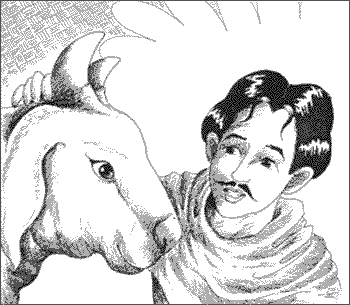



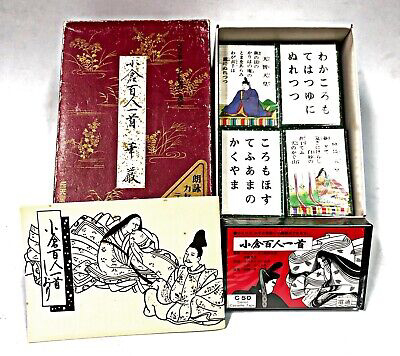


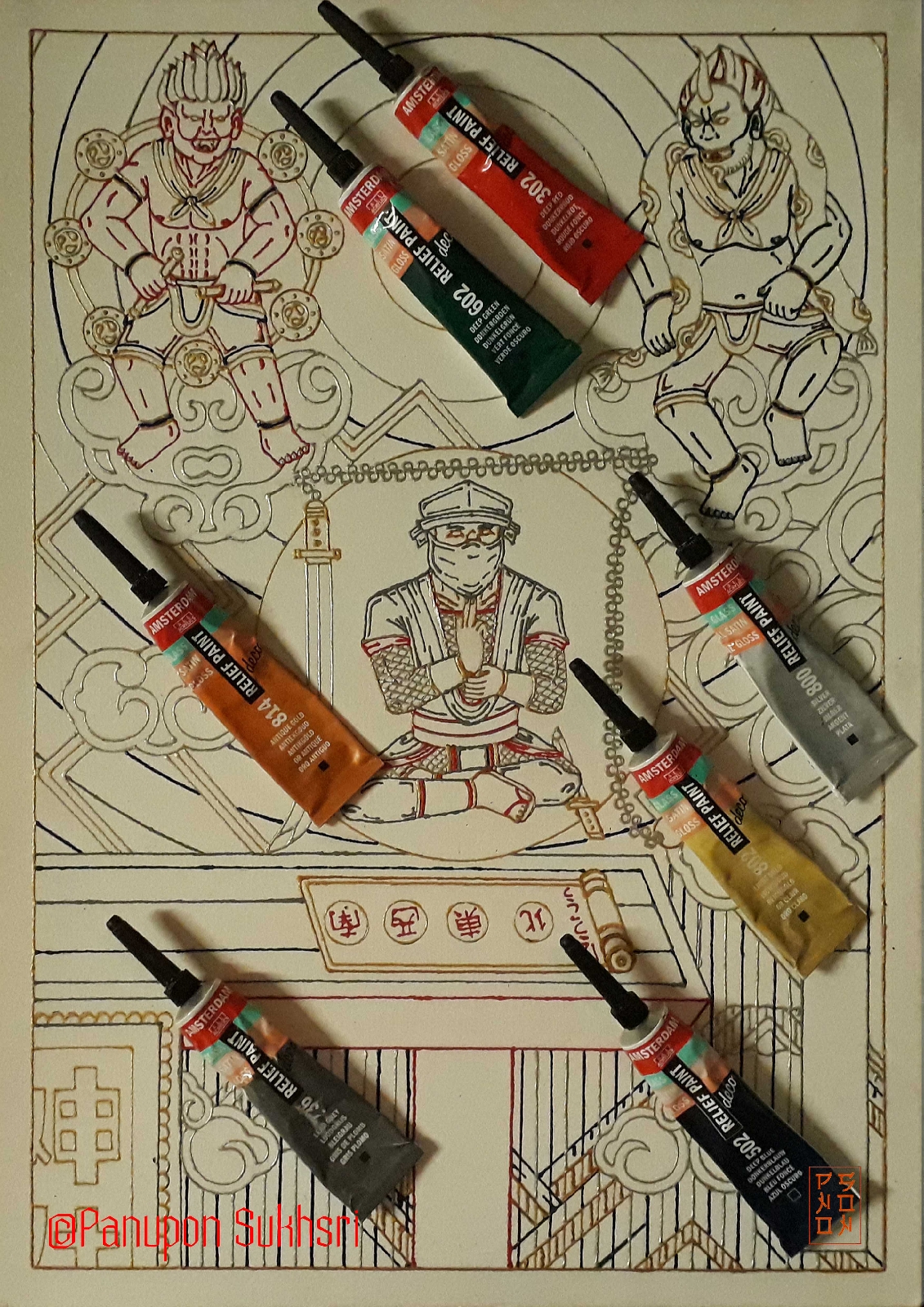


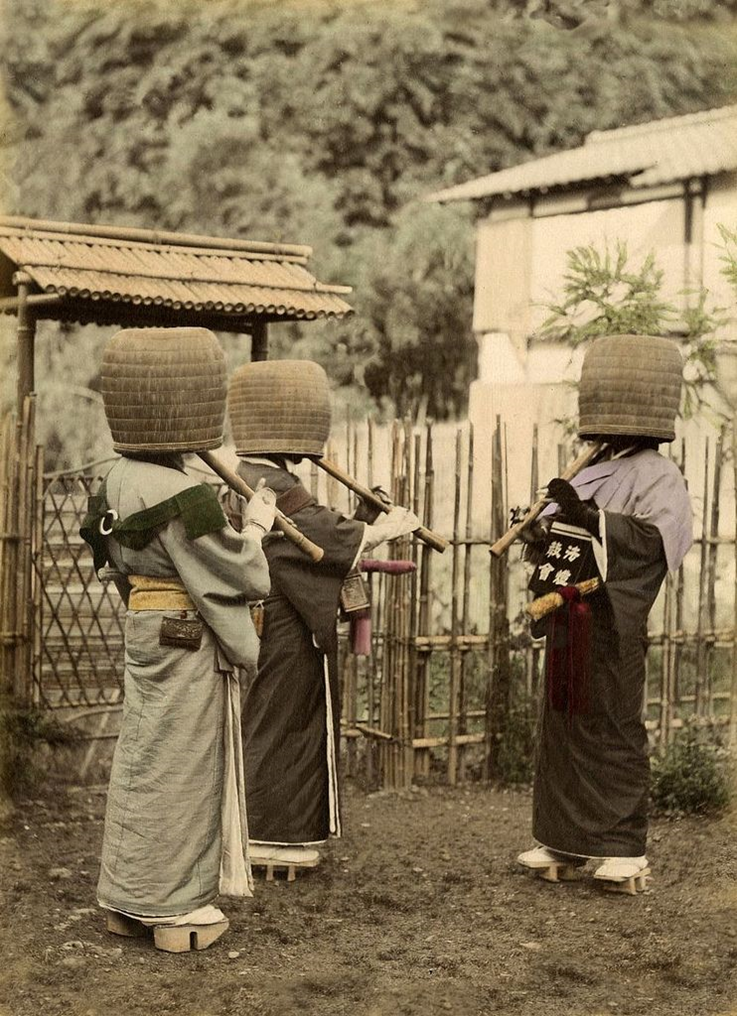


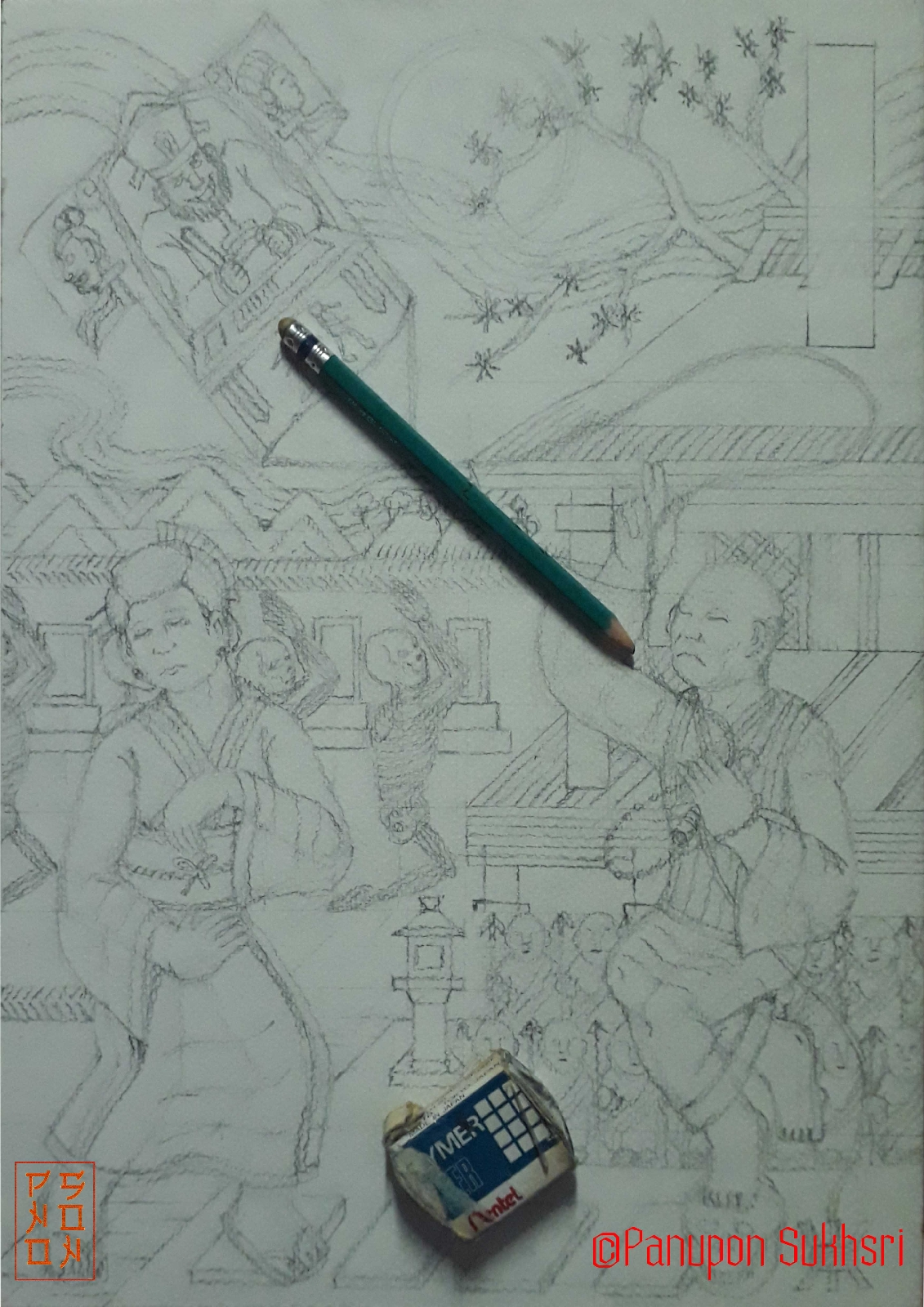

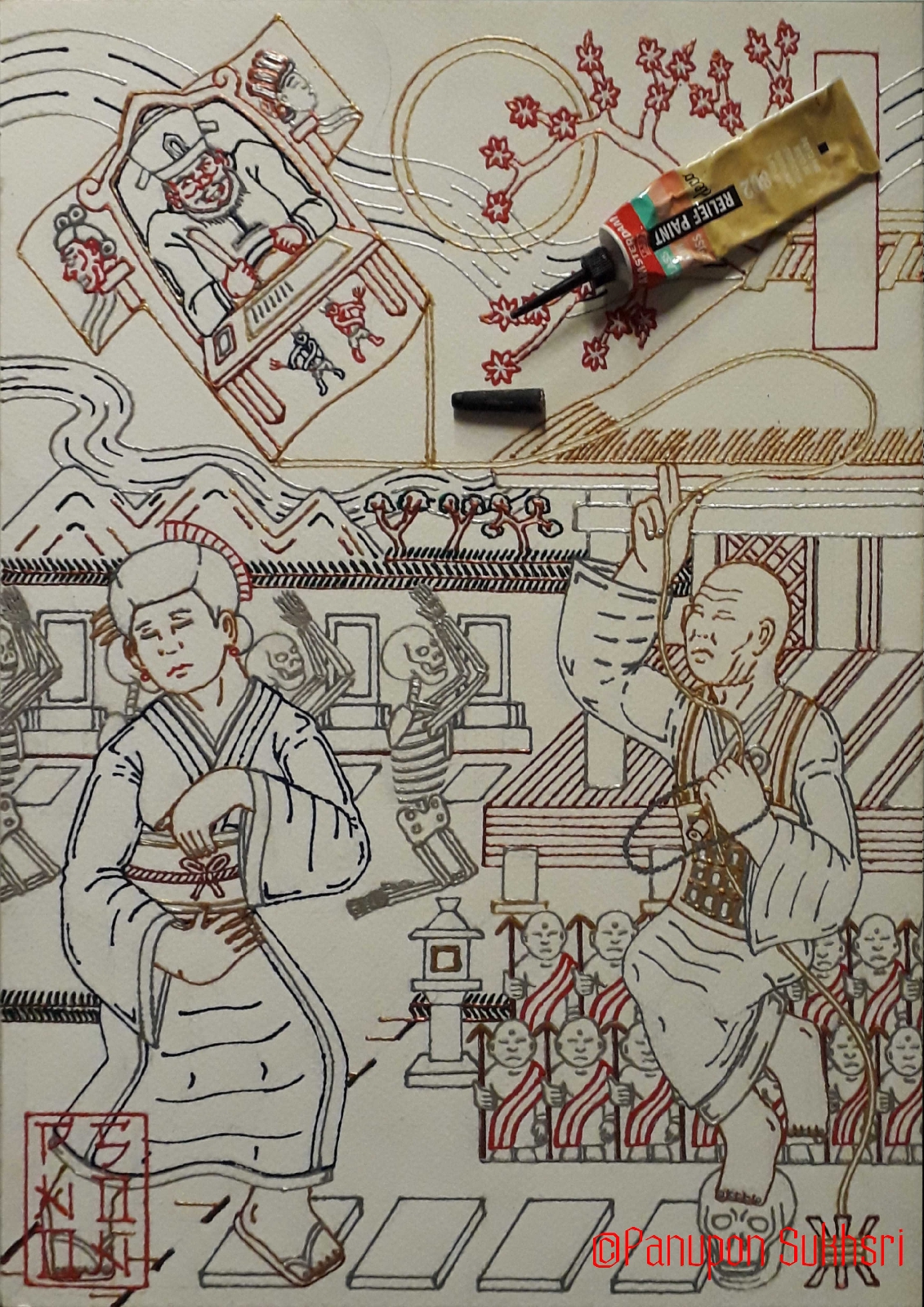


ไม่มีความคิดเห็น:
แสดงความคิดเห็น